
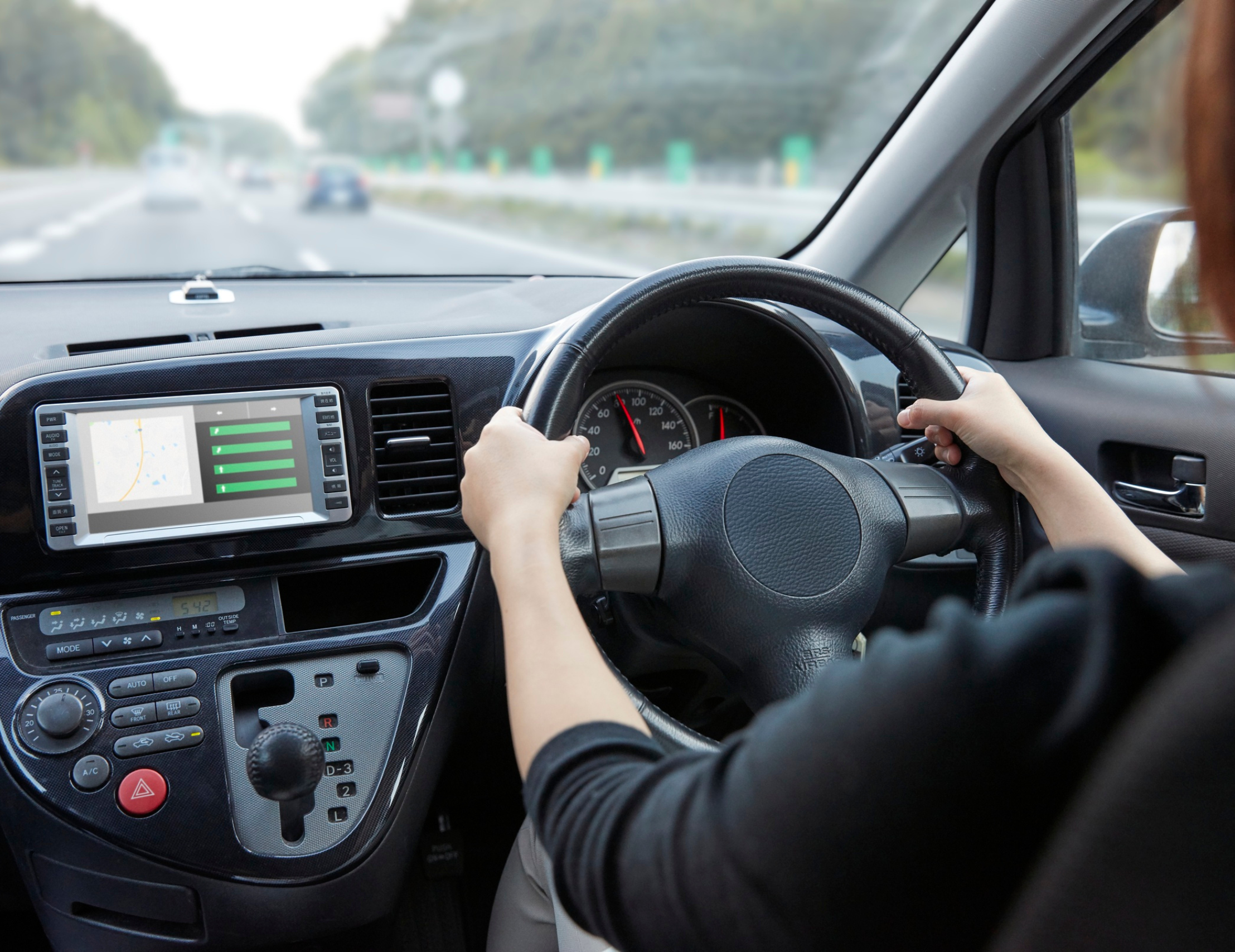
Collision repair and getting your car back is such a relief. After dealing with insurance, assessments, parts and the repair process, most drivers just want to get back on the road.
But there is often one question that lingers: How long should you wait before driving after a smash repair?
It is contingent upon what type of repair your car has gone through. A vehicle that has had minor cosmetic repairs may be ready to drive as soon as the repairer releases it, while a vehicle that has had significant panel, paint, structural or safety-related work may need further checks before being considered road-ready.
Another important consideration is paint. A panel that has been repaired may be dry enough to handle and drive, but that does not mean the paint is at its final cure and durability.
The most important rule is simple: follow the instructions of your repairer and do not drive the vehicle until they have confirmed it is safe and ready for normal use.
How Long After a Smash Repair Can You Drive?
Getting your car back from collision repair is such a relief. Most drivers just want to get back on the road after insurance, assessments, parts and the repair process.
However, there is usually one question that remains unanswered: How long should you wait before driving after a smash repair?
It is contingent upon what kind of repair your car has had. A vehicle that has undergone minor cosmetic repairs may be ready to drive as soon as it is released by the repairer, but a vehicle that has undergone major panel, paint, structural or safety-related work may require further checks before being considered road-ready.
Paint is another important consideration. A repaired panel may be dry enough to handle and drive, but that does not mean the paint is at its final cure and durability.
The most important rule is simple: listen to your repairer and don’t drive the vehicle until they say it’s safe and ready for normal use.
Does Every Smash Repair Require You to Wait?
No.
Waiting time after repair depends on method of repair, materials used, paint system, curing process and nature of work.
Some minor cosmetic repairs can be done in a relatively short time. Other refinishing repairs may need additional cure time or special care instructions.
Professional repairers might use controlled drying or curing processes to get a vehicle ready for collection. The vehicle being ready for collection means it has met the repairer’s release requirements; it doesn’t necessarily mean that every component or finish has achieved its maximum long-term cure.
This is especially important if the car has had fresh paint applied following a repair.
Can You Drive Immediately After a Paint Repair?
In many professional repair situations, the vehicle can be driven once the drying or curing process is complete and the repairer confirms the vehicle is ready.
But fresh paint is more vulnerable during its early curing period.
Different paint systems and repair processes require different things. Some repairers may say that you can drive away immediately, others may advise that you take certain precautions for the first 24 hours or so.
That’s why you should follow the repairer’s advice instead of any general timeframe you might find online.
Its new paint may still be curing, but that doesn’t mean it’s not perfectly safe to drive.
Drying and Curing Are Not the Same Thing
One of the most important things to understand after a car paint repair is the difference between drying and curing.
Drying usually means that the paint is dry enough to handle. Curing is the slower process by which the paint film develops its final properties.
That means a repaired panel may look dry and glossy when you pick up your vehicle, but still need to be treated with care.
For example, some repair specialists recommend driving normally once the repair is released but not doing things like washing, waxing or polishing until the repair has had some additional time to cure. The time frame varies depending on the paint system and repair process.
Your repairer should explain exactly what applies to your vehicle.
What If My Car Had a Major Collision Repair?
A major collision is not the same as a simple cosmetic fix.
If the accident involved structural components, steering, suspension, braking, airbags, sensors or other safety-related systems, it’s not simply about letting the paint dry.
Make sure that the car has had a thorough inspection and is safe to drive.
South East Collision Centre explains that its professional repair process starts with a detailed damage assessment, including the inspection for visible and possibly hidden damage. These include rear collision, side impact and other accident related repairs.
So the question is not “How many hours should I wait?” for major accident damage, but “Has the vehicle been repaired and safety checked as required? ”
Why a Final Quality Check Matters
A professional smash repair is not complete with the repair or painting of the damaged panel.
Key areas should be inspected before handing a car back to the owner to make sure the repair has been properly carried out.
They advise checking repaired panels, paint finish, bumpers, lights, doors, bonnet, boot, windows, mirrors, warning lights, cameras and parking sensors where applicable. South East Collision Centre’s post repair guidance says to check after repairs. It also advises checking the steering, strange noises and vibrations.
These checks are important because some problems may not be evident just by looking at the repaired panel.
What Should You Check Before Driving Away?
When your car is ready to collect following a smash repair take a few minutes to inspect the vehicle.
Begin with the areas that were affected by the accident. Verify that panels are aligned correctly and gaps look even. Check the paint under normal lighting conditions and verify that the colour and finish are consistent with the surrounding panels.
Then check the practical bits.
Check that doors, bonnet and boot open and close properly. Lights, indicators, mirrors and windows. Check. If the vehicle has parking sensors, cameras or other driver-assistance features affected by the accident, check to see they are working normally.
Finally, notice the way the car reacts when you move it.
If the steering feels different, the car pulls to one side, unusual vibrations occur or warning lights appear, don’t just assume the problem will disappear after a few kilometres of driving.
Take the concern to the repairer before continuing to drive normally.
Post-Smash Repair Checklist
|
What to Check |
Why It Matters |
|
Repaired panels |
Confirms alignment and finish |
|
Paint colour and finish |
Helps identify visible paint issues |
|
Bumper |
Should be secure and correctly positioned |
|
Headlights and indicators |
Important for visibility and safety |
|
Doors, bonnet and boot |
Should open and close correctly |
|
Windows and mirrors |
Check operation and positioning |
|
Dashboard warning lights |
May indicate an unresolved issue |
|
Parking sensors/cameras |
Important if affected by the collision |
|
Steering |
Should feel normal |
|
Braking |
Should feel normal |
|
Unusual noises/vibrations |
Can indicate an issue requiring inspection |
|
Repair documentation |
Helps confirm completed work and warranty details |
This type of inspection is particularly useful after significant car accident repair in Melbourne.
Can You Drive in Rain After a Smash Repair?
Whether you can drive in the wet depends on the repair and the advice of the repairer.
When the car is released, you should have a professionally finished repair ready for normal road use, but freshly repaired paint can require extra care.
If the repairer has told you not to rain, wash or wet the vehicle for any length of time, follow these instructions.
The important difference is between driving a repaired vehicle and putting new paint through unnecessary conditions that may affect the finish.
When you are in doubt, ask the repairer before you leave the garage.
Can You Wash Your Car After a Smash Repair?
This is one area where you have to be particularly careful.
A newly refinished panel may be ready for normal driving, but need more time before washing, polishing or waxing.
The precise recommendation depends on the paint system and the method of curing used. Some paint-care guidance may recommend longer times for certain products and processes, while some repair specialists advise people to wait about 24 hours before washing.
Because recommendations vary, it’s a good idea to ask your smash repairer exactly when the vehicle can be washed and what cleaning methods are appropriate.
Should You Avoid Automatic Car Washes After a Repair?
It’s generally a good idea to be careful with new paint.
Harsh cleaning chemicals, brushes, pressure washing close to the panel edge, and other aggressive cleaning methods can affect a new finish, particularly when the paint is still curing.
If your repairer has specific instructions about hand washing or pressure washing or automatic car washes, follow those instructions.
The same rule applies to waxing, polishing and paint protection products. But don’t think that because the panel looks dry, all kinds of paint care treatment are immediately appropriate.
What If the Car Feels Different After the Repair?
If your car feels different after a collision repair, tell the repairer.
For example, you may notice that the steering wheel is no longer in the centre, the vehicle is pulling in one direction, there is a vibration at certain speeds or a strange noise occurs.
Don’t ignore these symptoms just because the visible bodywork looks good.
A collision can damage mechanical and structural components in addition to the exterior panels. South East Collision Centre’s repair guidelines specifically recommend checking for changes in steering, unusual noises, warning lights and other signs of damage beyond the visible.
What About Warning Lights After a Smash Repair?
A dashboard warning light that appears after a collision repair should be investigated.
Modern vehicles can contain numerous electronic systems, sensors and driver-assistance features. Depending on where the collision occurred, repairs may involve components that interact with these systems.
If an unexpected warning light appears when you collect the vehicle, tell the repairer before driving away if possible.
If the warning light appears after you have already left, contact the repairer and explain exactly what you are seeing.
Do not assume that a warning light is unrelated simply because the vehicle has already been repaired.
How Long Does a Smash Repair Usually Take Before You Get the Car Back?
That’s a different question than how long you should wait to drive.
Minor cosmetic damage might be repaired in just a few days, but major structural repairs could take several weeks.
“The repair times depend on the amount of damage, insurance approval, availability of parts and the work required,” says South East Collision Centre. Its current guidance cites examples of a few business days for cosmetic damage to several weeks for serious structural damage.
But the vehicle still needs its final quality and safety checks before it can be released after the repair.
Does Paint Need More Time Than Panel Repairs?
Not necessarily as to when you can drive the car.
Modern professional repair facilities utilise controlled processes to dry or cure refinished areas in a timely manner. So the car might be ready to go when you pick it up.
However, the paint could still be curing after the vehicle is back on the road.
Hence the reason why you can often drive a professionally repaired car but still need to exercise extra caution when washing, polishing, waxing or exposure to potential contaminants.
Look at it this way:
Safe to drive doesn’t always mean fully cured for all types of repairs.
What Should You Avoid Immediately After a Smash Repair?
After you have a freshly repaired vehicle, it is sensible to avoid unnecessary risks to the repaired parts.
Follow any instructions provided by the repairer.
Depending on the repair, you may be advised to avoid automatic car washes, aggressive pressure washing, waxing, polishing, construction zones, gravel roads or other conditions where the new finish could be subjected to unnecessary contamination or impact.
Also, don’t load the vehicle in a way that could damage newly repaired panels or trim.
Does the Type of Repair Affect the Driving Time?
Absolutely.
|
Repair Type |
What Mainly Determines When You Can Drive |
|
Minor dent repair |
Repair completion and final inspection |
|
Paint repair |
Paint drying/curing process and repairer instructions |
|
Bumper repair |
Correct installation and safety checks |
|
Panel replacement |
Panel fitment, paint and final inspection |
|
Multiple-panel collision |
Completion of all related repairs and checks |
|
Structural repair |
Structural integrity, alignment and final safety inspection |
|
Sensor/ADAS-related repair |
Correct installation, calibration where required and system checks |
The table provides general guidance only. Your repairer should confirm when your particular vehicle is ready for normal driving.
Why You Shouldn’t Rush to Collect or Drive the Vehicle
It’s tempting to want your car back immediately after an accident.
But a professional repair is about fixing the vehicle properly, not just making the damaged area look better.
South East Collision Centre says its process for repairs is assessment, approval, professional repairs and a final quality check before the vehicle is returned.
It is better to give the technicians time to do the work and checks than to try and save a few hours.
Hasty repairs can cause problems that are far more frustrating down the road.
What If You Need to Drive Long Distance After a Smash Repair?
If the repairer has declared the vehicle safe for normal use, normal driving may be appropriate.
But if you intend to take a long highway trip immediately after a big repair, it is fair to ask the repairman if there are any particular precautions.
This is especially the case where the repair was to structural components, wheels, suspension or steering, sensors or other systems that can affect driving behaviour.
If anything feels strange on your first drive, don’t embark on a long trip and hope the problem will disappear.
Can You Drive Before the Final Repair Check?
No.
If the repairer has not completed the required final inspection or has specifically told you the vehicle is not yet ready, you should not drive it.
The final inspection is an important part of the repair process because it provides an opportunity to identify issues with the repaired panels, lights, sensors, trim, steering or other components before the vehicle returns to normal road use.
What If the Repairer Says the Car Is Ready but Something Doesn’t Look Right?
Tell them.
There is no need to be a mechanic to raise an issue.
If you notice an uneven panel gap, paint mismatch, loose trim, unusual noise, warning light, or change in steering, explain what you have noticed before accepting the vehicle.
South East Collision Centre recommends that any concerns are raised promptly to give the repairer an opportunity to inspect the vehicle and establish whether any further attention is required.
A little chat at collection can be so much easier than discovering a concern after driving home.
Choosing a Smash Repairer in Melbourne
The repair process is much more than just replacing a damaged panel so it is important to choose the right repairer.
A professional collision repairer should be able to assess accident damage, perform the necessary repairs, conduct the appropriate quality checks and advise when the vehicle is ready to return to the road for Melbourne drivers.
South East Collision Centre offers smash repair services in Clyde North, Cranbourne, Carrum Downs, Lynbrook and the surrounding Melbourne areas. We provide panel beating, spray painting, bumper repairs, paintless dent removal and other collision repair services.
The repairer also claims its repairs come with a lifetime workmanship guaranty.
What Is the Safest Answer to “When Can I Drive After a Smash Repair?”
The safest answer is:
Only drive when your repairer says the repair is complete and the vehicle has passed its required checks and it is safe for normal road use.
There is no 24 hour or 48 hour rule that applies to all types of smash repairs.
If you get a car professionally repaired it could be ready to drive when you pick it up, but if you get a brand new paint or certain repairs you might need to do some extra care after.
The time it takes depends on the process of repair.
Frequently Asked Questions
How long should I wait before driving after a smash repair?
There is no fixed waiting period for every repair. You can generally drive once the repairer confirms that the repair is complete, the vehicle has passed its required checks and it is safe to return to the road.
Can I drive my car immediately after a paint repair?
In many professional repair situations, yes, once the repairer confirms the paint has been sufficiently dried or cured for vehicle release. However, the paint may continue curing after you drive away, so follow the repairer’s instructions about washing and protecting the finish.
How long does car paint take to cure after a smash repair?
The curing time depends on the paint system, application process, temperature and drying method. Some repairs may be ready for driving relatively quickly, while the finish can continue curing for longer. Ask your repairer for the specific aftercare timeframe.
Can I wash my car after a smash repair?
You should ask your repairer when washing is appropriate because the recommended timeframe can vary depending on the paint system and repair process. Freshly refinished paint may need additional curing time before washing, waxing or polishing.
Can I use an automatic car wash after a car repair?
It is better to follow the repairer’s specific instructions. Fresh paint can be more vulnerable to aggressive brushes, chemicals and high-pressure cleaning during its early curing period.
What should I check before driving my repaired car?
Check the repaired panels, paint finish, bumpers, lights, doors, bonnet, boot, windows, mirrors, warning lights and relevant cameras or sensors. Also make sure the steering and driving feel normal and there are no unusual noises or vibrations.
What if my car pulls to one side after a smash repair?
Tell the repairer and have the vehicle inspected. A change in steering or handling after a collision repair should not be ignored.
Should I drive after a major accident repair?
Only after the repairer confirms that the vehicle has been properly repaired and is safe to drive. Major collision repairs can involve structural, steering, suspension, braking or electronic systems that require appropriate inspection.
How long do smash repairs take in Melbourne?
Repair times vary considerably. Minor cosmetic repairs can take a few days, while major collision or structural repairs can take several weeks depending on damage, parts and insurance approval.
Where can I get smash repairs in Melbourne’s south-east?
South East Collision Centre provides collision and smash repair services in areas including Clyde North, Cranbourne, Carrum Downs and Lynbrook, as well as surrounding Melbourne areas.
Get Back on the Road With Confidence
Getting your car back after a collision is only part of the process. Just as important is to know that the repairs have been done right and the vehicle is ready to drive normally.
The appropriate waiting period depends on the work done. Once the repairer has completed its checks, a minor repair may require little additional waiting, while fresh paint may continue curing after the vehicle is returned and major collision repairs may require extensive safety and quality inspections.
So, rather than a generic ‘wait 24 hours’ rule, follow the instructions of your repairer and make sure the vehicle has been confirmed road-ready before you drive it.
If you’re a driver seeking smash repairs in Melbourne, opting for an experienced collision repair centre with a comprehensive final inspection can help make the journey from repair workshop to road that much simpler.
Getting back behind the wheel with more confidence happens when your vehicle is repaired, inspected and released properly.