
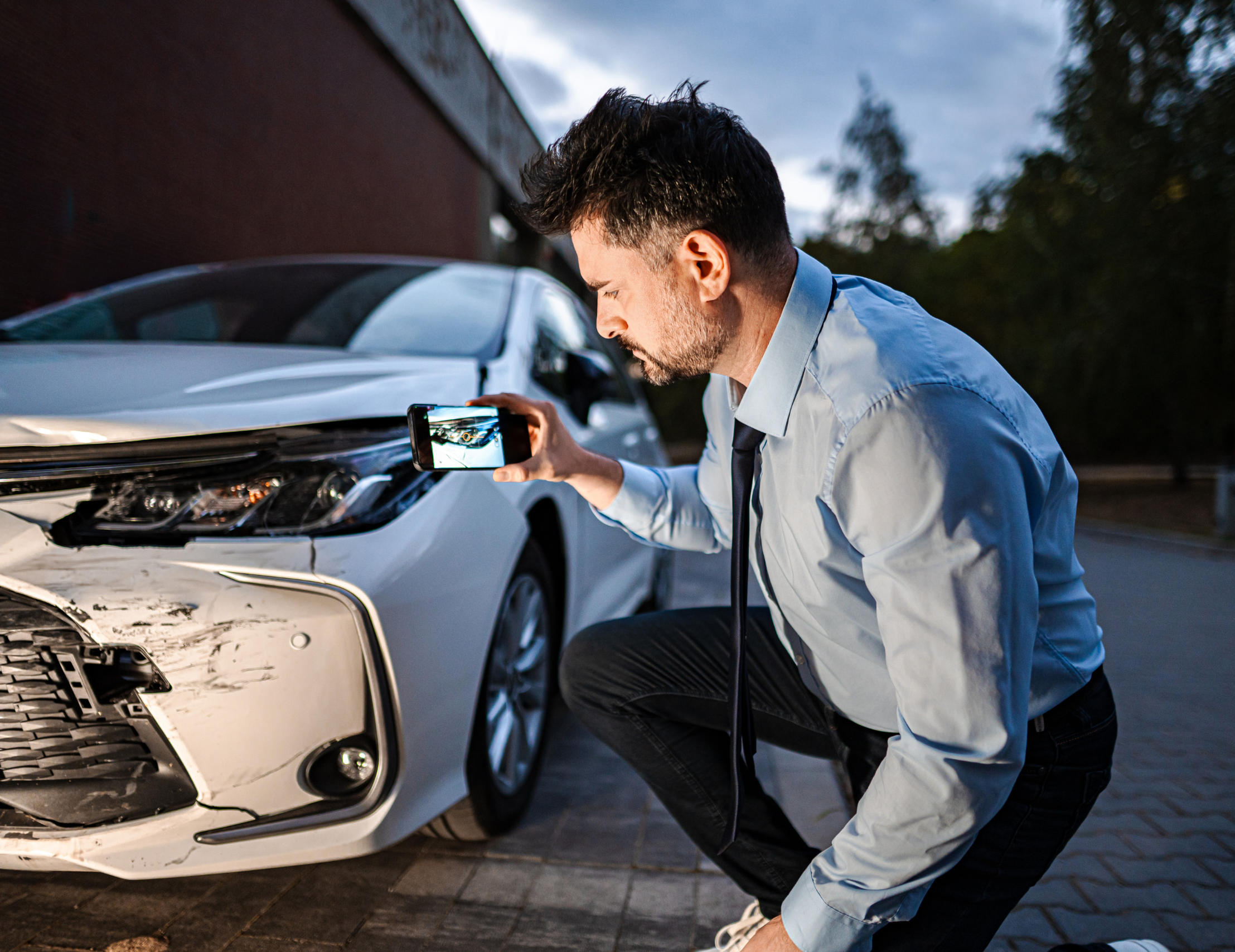
A car accident can cause damage to the vehicle and insurance claims, and if there are children, worries about their safety. Visible damage is often easy to see on a car, but a child car seat can look like new even after a collision.
This leads to an important question. Should you replace a car seat after an accident, even if it appears undamaged?
The answer depends on how hard the crash was and the directions of the child restraint manufacturer. Australian child safety guidelines say that if a restraint was involved in a moderate to severe crash, it should not be reused, even if there is no visible damage. This includes accidents where the vehicle had to be towed away or someone was seriously injured.
Knowing when to replace a child car seat after an accident is an important part of protecting children on future journeys for parents in Victoria. This guide explains when to replace a restraint, what to look for, how insurance can help and what to do after a collision.
Why Child Car Seat Safety Matters After a Crash
Child restraints are designed to help protect a child in the event of sudden braking or a collision. It works only if its components are in good condition, properly installed and appropriate for the size of the child.
During an accident the forces on a restraint can be very different than they appear from a visual inspection. The shell, harness, buckle, belt path, attachment points or other components may be affected depending on the crash.
Damage or stress can be difficult to identify without specialist assessment, and a seat may look intact from the outside. Therefore, the visual appearance of a child restraint system should not be used to determine its safety for reuse.
Damage to the vehicle around the child restraint anchorage points or seatbelt may also be possible. These areas are important because the restraint relies on the vehicle’s anchorage system and proper installation to work the way it’s supposed to.
After a crash, parents should consider the condition of the child restraint and whether the vehicle’s relevant safety components need to be checked.
When Must a Child Car Seat Be Replaced After an Accident
The appropriate action depends on the severity of the collision and the instructions supplied by the restraint manufacturer.
Kidsafe Victoria recommends that child car restraints involved in moderate to severe crashes should not be reused, even if visible damage is absent. A crash in which the vehicle had to be towed away or someone was seriously injured is a clear reason not to reuse the restraint.
The Transport Accident Commission also advises that child restraints involved in a crash must be replaced. Because manufacturer requirements can vary, parents should check the instructions for their particular model and contact the manufacturer or an appropriate child restraint specialist if they are uncertain.
A useful guide is shown below.
Accident situation | Recommended action |
Moderate to severe collision | Do not reuse the restraint. Arrange replacement. |
Vehicle had to be towed after the crash | Treat the restraint as unsuitable for reuse and replace it. |
Someone sustained a serious injury | Do not reuse the restraint involved in the crash. |
Minor collision with no obvious damage | Check the restraint manufacturer’s crash-replacement instructions before deciding whether it can be reused. |
Visible cracks, damaged harness, faulty buckle or damaged attachment components | Do not use the restraint. Seek manufacturer advice and arrange replacement where required. |
Uncertain crash history or unclear manufacturer guidance | Do not assume the restraint is safe. Contact the manufacturer or a qualified child restraint specialist. |
The key point is that a visual inspection alone cannot confirm that a crash-involved child car seat is safe. When replacement is recommended, do not continue using the seat while waiting for visible damage to appear.
What Damage Can a Collision Cause to a Child Restraint
Child restraints contain several components that work together to help protect a child. Depending on the design, these may include a protective shell, harness straps, buckles, adjustment mechanisms, belt paths, connectors and attachment points.
A collision may affect these components in different ways.
Cracks or Deformation in the Shell
The shell may have cracks, deformation or other damage after an impact. Some damage may be difficult to notice without examining the restraint carefully, and an absence of cracks does not establish that the seat is safe.
Harness and Buckle Problems
Harness straps help secure the child in the restraint. Buckles and adjustment mechanisms must also function correctly. Fraying, damaged stitching, a buckle that does not engage properly or a strap that cannot be adjusted as intended are reasons to stop using the seat and seek manufacturer advice.
Damage to Connectors and Attachment Points
The way a restraint attaches to a vehicle depends on its design and installation method. Components such as connectors, tether straps and attachment points must be in suitable condition and installed according to the manufacturer’s instructions.
Damage Around Vehicle Anchorages
The vehicle may sustain damage around the seatbelt system or child restraint anchorage points during a collision. These areas should not be overlooked simply because the restraint itself appears undamaged.
If you suspect damage, do not attempt an improvised repair or continue using the restraint. Follow the manufacturer’s instructions and arrange the appropriate professional inspection.
What Parents Should Do Immediately After a Collision
After an accident, decisions about vehicle repairs or replacement equipment should be made with safety first.
First check to see if anyone is hurt, and call emergency services if necessary. “Move out of immediate traffic hazards if safe to do so.
Choose a child restraint that may need to be replaced next. Do not reuse the restraint if the collision was moderate to severe, if the vehicle had to be towed or if someone was seriously injured.
Keep the details of the brand, model and manufacture of the restraint. If safe and appropriate, take photographs of the restraint and accident circumstances. This information may be helpful when contacting the manufacturer or insurer.
Ask your insurance company if they will pay for the replacement of the child restraint. Your insurer might want to keep the restraint for assessment or documentation, so check with them before you get rid of it. The request to reserve the seat for assessment does not give permission to use it again.
Finally, arrange a suitable replacement and make sure it is fitted properly before travelling with your child.
How to Choose and Install a Replacement Child Car Seat
Replacing a restraint is an opportunity to check that the new seat is suitable for your child’s current size and needs.
Children should be restrained in an appropriate child restraint or booster until they are able to achieve a correct adult seatbelt fit. Parents in Victoria should comply with current state requirements and the restraint manufacturer’s instructions and advice from a qualified child restraint fitting service.
When choosing a replacement, take into account the following factors.
Suitability for your child. Check the restraint’s size limits and shoulder height markers. Make sure the model is appropriate for your child’s current size and stage of development.
Compatibility with your vehicle. Not every restraint fits every vehicle or seating position in the same way. Check the vehicle and restraint manuals, including requirements for anchorage points.
Correct installation. Follow the manufacturer’s instructions carefully. If you are uncertain, arrange a professional child restraint fitting or safety check.
Condition and history. A new restraint from a reputable retailer makes it easier to confirm its age, condition and history. Avoid second-hand restraints with an unknown crash history.
Expiration and product instructions. Check the restraint’s manufacture date, recommended service life and any applicable safety notices.
Correct installation matters just as much as selecting the right product. If a vehicle’s anchorage points or seatbelt components may have been affected by the accident, have the relevant damage assessed before installing and using the replacement restraint.
Will Car Insurance Cover Child Car Seat Replacement
Parents may worry about the cost of replacing a child car seat after a crash. Depending on your policy and the circumstances, car insurance may pay for the replacement cost.
Kidsafe Victoria suggests parents check with their insurer to see if the restraint is covered. The insurer may have some requirements for evidence, assessment or replacement.
Consult your insurer before buying a new seat:
- Whether child restraint replacement is included in your policy.
- What documentation or photographs are required.
- Whether the damaged restraint must be retained for assessment.
- Whether there are approved replacement procedures or limits on reimbursement.
- Whether the claim affects your excess or other policy conditions.
Keep the purchase receipt and relevant product details for the replacement restraint. If the manufacturer provides an accident notice or written advice, ask your insurer whether it should be included with the claim.
Coverage is not automatic under every policy, so confirm the details directly with your insurer rather than assuming the cost will be reimbursed.
Why Vehicle Repairs and Child Restraint Safety Must Be Considered Together
After a collision, restoring the vehicle’s exterior is only one part of the repair process. Damage can affect components that are not immediately visible, including structural areas and safety-related systems.
For vehicles carrying children, it is important to consider whether the relevant seatbelt systems and child restraint anchorage points may have been affected. The need for inspection depends on the collision and the damage found.
A smash repairer can assess vehicle collision damage and identify areas that require further attention within the repair scope. However, the repair of vehicle bodywork does not automatically establish that a child restraint is safe to reuse.
Child restraint replacement decisions should follow the restraint manufacturer’s guidance and recognised child safety advice. Where there is uncertainty about installation or compatibility, seek help from a qualified child restraint fitting service.
Keeping these responsibilities separate helps parents avoid relying on a general vehicle inspection to answer a question that requires specific child restraint guidance.
Collision Repairs in Clyde North and South East Melbourne
If your vehicle has been in an accident, a professional damage assessment appointment can help identify visible and hidden vehicle damage.
South East Collision Centre in Clyde North offers smash repairs, panel beating, spray painting, bumper repairs, towing and insurance repair services to drivers in nearby areas such as Cranbourne, Carrum Downs and Lynbrook.
Families with collision-damaged cars may find that the repair process includes assessing damaged body panels and determining other vehicle components that may need attention. If you suspect damage in the area of seatbelt systems or child restraint anchorage points, mention this when talking about the vehicle damage and ask what inspection is appropriate.
South East Collision Centre repairs vehicle collisions. Contact the restraint manufacturer or a qualified child restraint specialist for help in deciding whether a child restraint can be reused.
You can visit the South East Collision Centre website or check out its smash repair services to discuss your car damage and repair requirements.
Frequently Asked Questions
Do I need to replace a child car seat after every accident
Follow the manufacturer’s crash-replacement instructions. Kidsafe Victoria recommends replacing restraints involved in moderate to severe crashes, even when no damage is visible. If the vehicle had to be towed or someone was seriously injured, do not reuse the restraint. If the crash was minor, check the instructions for the specific model before deciding.
Can I reuse a child car seat if it looks undamaged
A lack of visible damage does not prove that a restraint is safe after a collision. Follow the manufacturer’s guidance and recognised child safety advice. Do not reuse a restraint after a moderate to severe crash.
Does insurance pay for a replacement child car seat
Your insurance policy may cover replacement, but conditions vary. Contact your insurer, explain the circumstances and ask what evidence is required before disposing of the damaged restraint.
Should I replace the car seat if the car was towed after the accident
Yes. Kidsafe Victoria identifies a crash where the vehicle had to be towed as a situation in which the restraint should not be reused. Arrange a replacement and follow the manufacturer’s installation instructions.
Can a smash repairer check whether my child’s car seat is safe
A smash repairer can assess collision damage to the vehicle, but a general vehicle repair inspection does not replace the child restraint manufacturer’s assessment or specialist advice. Contact the manufacturer or a qualified child restraint fitting service if you need guidance on reuse, replacement or installation.
Where can I get help after a car accident in South East Melbourne
For vehicle collision repairs, South East Collision Centre in Clyde North services surrounding areas including Cranbourne, Carrum Downs and Lynbrook. For child restraint safety and installation advice, contact the restraint manufacturer or a qualified child restraint specialist.
Conclusion
Child car seat safety after an accident should never be based on appearance alone. A restraint may look intact while its condition remains uncertain, which is why crash severity and manufacturer guidance are essential when deciding whether it can be reused.
After a moderate to severe collision, or when the vehicle has been towed or someone has sustained a serious injury, do not reuse the child restraint. Check insurance coverage, arrange a suitable replacement and make sure it is correctly installed before your child travels again.
If your vehicle has sustained collision damage in Clyde North, Cranbourne, Carrum Downs, Lynbrook or nearby suburbs, South East Collision Centre can help with the vehicle repair side of the process. For restraint-specific decisions, rely on the manufacturer and qualified child safety professionals.
Taking these steps helps you make informed decisions about both your vehicle and your child’s safety after a stressful event.