
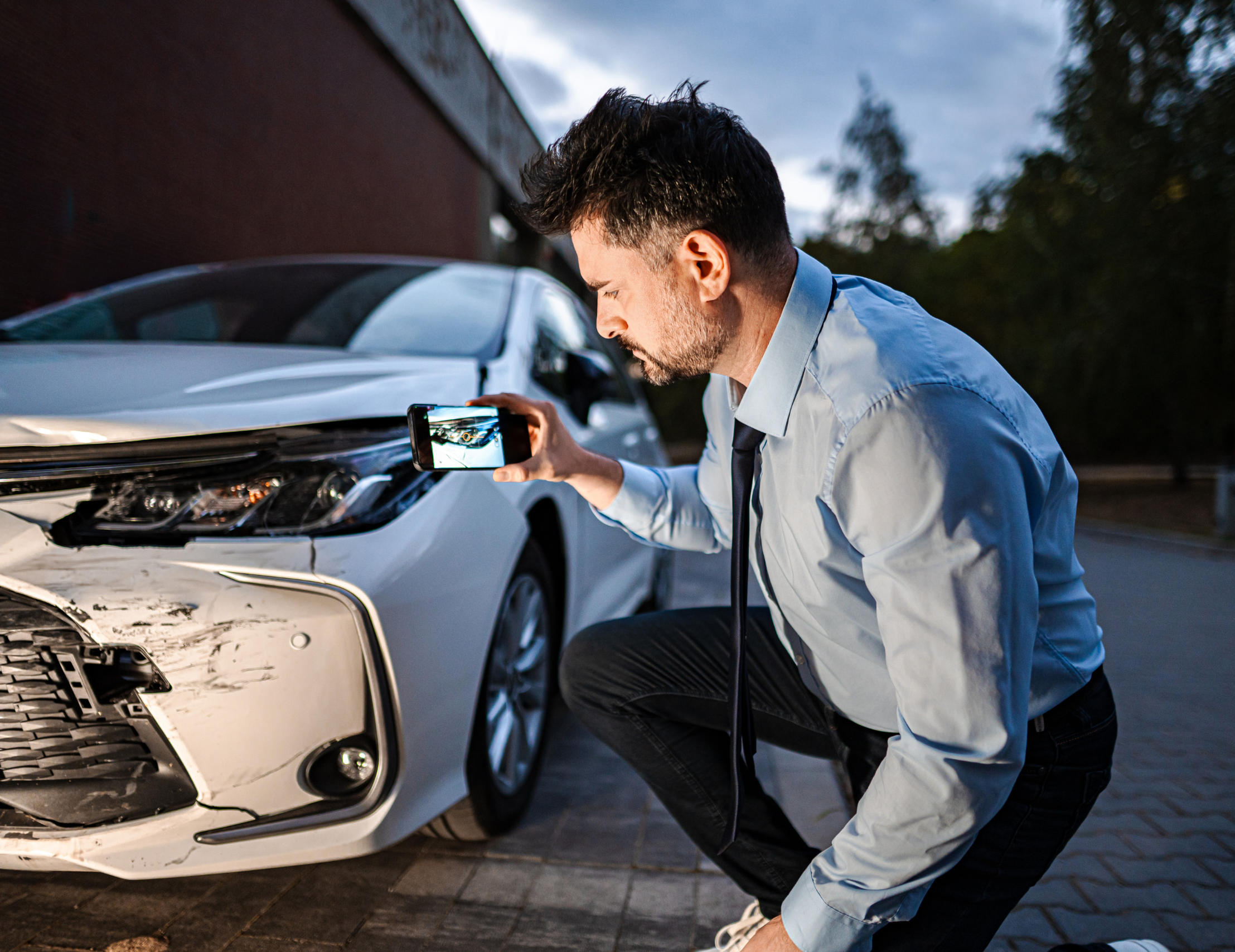
A small bumper knock may look like a small issue. Maybe another car bumped your car while it was parked, or you accidentally backed into a post. There may be a few minor scratches or a small ding in the bumper, and it might look fine at first glance.
But many modern cars have parking sensors, reversing cameras and other electronic safety features in or around their bumpers. Even an impact at a low speed can damage a sensor, loosen a mounting bracket, affect wiring, or change the position of a camera.
If you’re a driver in Clyde North, Cranbourne, Carrum Downs or any part of South East Melbourne, knowing the signs of parking sensor and reversing camera damage after a bumper knock can stop small issues from becoming big headaches.
This guide looks at what can go wrong, the warning signs to watch out for, how technicians assess the damage and when to book in for professional smash repairs.
Can a small bumper knock damage parking sensors or a reversing camera?
Yes. A minor bumper impact can affect parking sensors or reversing cameras, even when the visible damage appears limited. However, not every bumper knock causes electronic damage.
Parking sensors use technology such as ultrasonic signals to help identify obstacles nearby. A reversing camera shows what is behind the vehicle . Some modern vehicles use cameras , radar or other sensors for advanced driver assistance systems ( ADAS ) .
The location of these components depends on the type of vehicle design, such as the bumper, behind the bumper cover, near the tailgate or elsewhere around the vehicle.
The bumper cover is able to absorb the force of the impact, but surrounding parts can also be affected. A sensor can dislodge, a mounting bracket can move, a wiring connector can be compromised. If the impact reaches the housing, mounting point or wiring of a reversing camera, it may also be affected.
So, a visual inspection alone may not be enough to determine whether a vehicle requires bumper repair, or further electronic checks.
Common Signs of Parking Sensor Damage After a Bumper Knock
Parking sensors are designed to assist with manoeuvring in tight spaces. If they stop working correctly after an impact, you may notice several changes.
1. Continuous Beeping
If the parking system is sounding a continuous warning tone and there are no nearby obstacles, one or more sensors may be blocked, broken or giving false readings.
The sound does not automatically mean that the sensor needs to be replaced. Sometimes dirt or residue on the sensor can cause problems. But if the behaviour started after a bumper knock get an inspection.
2. Parking Sensors Stop Detecting Obstacles
Another sign to look out for is when the system fails to warn you of things behind or in front of the vehicle as it should.
A faulty sensor, loose wiring, or a changed position or malfunction of the parking assistance system can be responsible for this. Do not rely solely on the sensors when parking until the problem has been checked.
3. Dashboard Warning Messages
Some vehicles will display a message when the parking assistance system is outside its operating range or has detected a fault. You may also notice the parking sensor display disappear from your infotainment screen.
Below is the exact warning and when it appears. A technician can use that information to help diagnose the problem.
4. One Side of the Vehicle Behaves Differently
If the parking system on one side functions correctly but the damaged side provides wrong warnings, it could be a local sensor or wiring problem.
The cause should be confirmed by inspection and not presumed from the location of the warning alone.
What Happens When a Reversing Camera Is Damaged?
A reversing camera helps drivers see obstacles that may be difficult to spot through mirrors alone. After a bumper knock, damage to the camera or its related components may affect the displayed image or prevent the system from operating correctly.
Common symptoms include:
- A blank screen when reverse is selected.
- A distorted, flickering or intermittent camera image.
- A camera view that appears misaligned.
- Warning messages relating to the camera system.
- Guidelines or other display features that no longer behave as expected.
The problem could be the camera, a damaged connector, wiring, where it is mounted or some other part of the vehicle’s electrical system.
Not all camera faults are caused by the impact. The technician may need to inspect the system and perform some diagnostic tests to identify the real problem.
If the camera is not working, try using mirrors and direct visual checks carefully. Get another person to help guide you where needed. If the damage affects safe manoeuvring or other safety functions do not rely on the system until the system has been evaluated.
Parking Sensor vs Reversing Camera Damage: What’s the Difference?
Although both systems assist with reversing, they perform different functions and may require different repair approaches.
Issue | Parking sensors | Reversing camera |
Main purpose | Detect nearby obstacles and provide warnings | Display a view of the area behind the vehicle |
Common symptoms | Constant beeping, missed obstacles, system warnings | Blank screen, distorted image, intermittent display |
Possible damage | Sensor, mounting bracket, wiring or connector | Camera housing, mounting point, wiring or connector |
Typical checks | Sensor operation, diagnostic scan and mounting inspection | Image quality, camera position, connections and diagnostic checks |
Possible repair | Refit, repair or replace affected components as appropriate | Repair connections or mounting, or replace a faulty camera if required |
Calibration requirements | Depend on the vehicle and work performed | Depend on the camera system and manufacturer procedures |
This is a general guide. The correct diagnosis and repair depend on the vehicle’s make, model, equipment and the extent of the impact.
Hidden Damage Behind the Bumper: What Drivers Should Know
A bumper is more than just an exterior panel. Depending on the vehicle, the area behind it may have mounts for sensors, wiring harnesses, brackets, impact absorbing components and other equipment.
An impact could break or dislodge these parts without a visible crack on the outside.
For example, a bumper may look almost normal, but a sensor bracket has moved. Or the bumper cover could be damaged around a sensor hole, keeping the part from sitting correctly.
A reversing camera that isn’t working could also be the result of damage elsewhere, particularly if the impact involved the tailgate, the mounting area or the wiring.
That’s why professional collision repair needs to address both the visible bodywork and any relevant electronic systems. South East Collision Centre advises that post-repair inspection checks include parking sensors, reversing cameras and relevant ADAS features where applicable.
How Are Parking Sensors and Reversing Cameras Checked After an Accident?
The repair process varies according to the vehicle and the symptoms, but several checks can help identify the cause.
- Visual inspection: The technician examines the bumper, sensor openings, camera housing and visible mounting points for cracks, movement or other damage.
- Wiring and connector checks: Relevant connections may be inspected for loose plugs, damaged wiring or other faults.
- Diagnostic scanning: Where appropriate, a diagnostic scan can help identify stored fault codes or communication problems in the relevant vehicle systems. A scan is useful, but it does not replace a physical inspection.
- Component testing: The affected sensor or camera system is tested according to the vehicle’s design and the reported symptoms.
- Repair and verification: Depending on the findings, the repair may involve refitting a component, repairing wiring, replacing a damaged part or correcting its mounting position. The system should then be checked to confirm that it operates as intended.
Some vehicles may also require calibration or additional checks after a bumper, sensor or camera has been removed, replaced or repositioned. These requirements are vehicle-specific; not every bumper repair automatically requires ADAS calibration.
Should You Repair or Replace the Damaged Bumper?
The right way depends on the type of damage and how bad it is.
If the bumper’s structure and its mounting points are still sound, then minor scratches or shallow dents may be repairable. More extensive cracks, torn plastic, broken mounting tabs or damage around sensor openings may require replacement of bumper cover or affected parts.
Having parking sensors or a reversing camera does not mean the whole bumper needs to be replaced. The suitability of the existing bumper for safe repair and the ability to retain and refit the electronic components correctly should be assessed by a qualified repairer.
Damage found | Possible approach | Important consideration |
Light scuff or scratch | Cosmetic repair or refinishing | Check whether the impact affected nearby components |
Small dent with no apparent sensor issue | Assessment followed by an appropriate repair method | Confirm sensor mounting and operation where relevant |
Cracked bumper near a sensor | Repair or replacement, depending on severity | Sensor openings and mounting points must remain suitable |
Broken sensor bracket | Repair or replace the affected mounting component | Correct positioning is important |
Damaged parking sensor | Test, then repair or replace as appropriate | Confirm compatibility and correct operation |
Faulty reversing camera | Inspect connections, mounting and camera function | Replace only if diagnosis confirms it is necessary |
Possible ADAS involvement | Follow applicable manufacturer inspection and calibration procedures | Requirements depend on the vehicle and repair |
A clear assessment helps avoid replacing components unnecessarily while ensuring that important systems are not overlooked.
Why Diagnostic Scanning and ADAS Checks Matter
Some vehicles integrate parking assistance with wider driver assistance technology. Depending on the model, radar units, cameras or other features related to blind-spot monitoring, rear cross-traffic alerts, and more may be located on the front or rear of the vehicle.
If these systems are damaged in the impact, more than just cosmetic repair of the bumper may be required.
Diagnostic scanning is able to identify electronic faults and physical inspection can be used to check for any damage that may have been missed by a scan. Procedures of this kind which require calibration or functional testing should be performed by suitably equipped professionals.
South East Collision Centre talks about modern collision repair and how they scan vehicles before and after repairs to make sure they work correctly. The amount of work involved varies from vehicle to vehicle and depends on the damage found.
Where to Get Bumper and Sensor Damage Assessed in South East Melbourne
If your parking sensors or reversing camera are not working, post a bumper impact, book an assessment with a collision repairer who can look at both body damage and impacted vehicle technology.
Based in Clyde North, South East Collision Centre provides smash repair services for drivers in Cranbourne, Carrum Downs, Lynbrook and surrounding areas of South East Melbourne.
Its services include bumper repair, panel beating, spray painting and collision repairs. When you book an assessment let us know what happened, where the impact happened and what warnings or symptoms you had after.
If possible, include photos of the damage and your description of whether the sensor or camera fault began immediately after the knock. Photographs are useful for a first assessment but the workshop may need to see the vehicle in person to confirm the cause and repair requirements.
Ask what parts need to be repaired or replaced before approving the work. Ask if diagnostic scanning is appropriate and if any calibration or post-repair testing is required for your specific vehicle.
Frequently Asked Questions
Can a small bumper knock damage parking sensors?
Yes. A low-speed impact can sometimes damage a sensor, shift its mounting bracket or affect wiring behind the bumper. However, the extent of the damage varies, and not every minor impact affects the sensors.
Why are my parking sensors beeping constantly after an accident?
Possible causes include an obstructed or damaged sensor, incorrect mounting, wiring issues or another fault in the parking assistance system. If cleaning the sensor surface does not resolve the problem, arrange an inspection.
Can a bumper repair affect my reversing camera?
It can, depending on where the camera is mounted and how far the impact extends. Damage to the camera housing, wiring or mounting point may affect its operation. The actual cause should be diagnosed before replacing components.
Do parking sensors need recalibration after bumper repairs?
Not always. Requirements depend on the vehicle, the sensor technology and the work performed. Some repairs require inspection or calibration under manufacturer procedures, while others may not.
Can I drive with damaged parking sensors or a reversing camera?
The answer depends on the damage and whether other safety systems are affected. Parking assistance features should not be relied upon if they are faulty. If the impact may have affected additional safety equipment or the vehicle’s roadworthiness, have it assessed before continuing to drive.
Does a damaged bumper always need replacing?
No. Some cosmetic damage and minor dents can be repaired, while severe cracks, damaged mounting points or damage around sensor openings may require replacement. A professional inspection can determine the suitable approach.
Where can I get parking sensor or reversing camera damage checked in Clyde North?
South East Collision Centre in Clyde North provides collision repair and bumper repair services. Contact the workshop to discuss the impact, the symptoms and whether an inspection is required.
Get Your Bumper and Safety Systems Checked
A small bumper knock may not leave a lot of visible damage but can sometimes cause issues with parking sensors, reversing cameras or components. It’s not always cosmetic. Weird beeping, no alerts, warning messages, problems with the camera display, etc. are all reasons to investigate.
The smart next step for drivers in Clyde North, Cranbourne, Carrum Downs, Lynbrook and South East Melbourne is to get the damage assessed, find out what the actual fault is and find out what repairs or system checks are needed.
South East Collision Centre will help you determine bumper damage and advise on your car’s repair options. A repair should return the relevant bodywork to how it should be and any affected technology – not just make the outside look OK.