
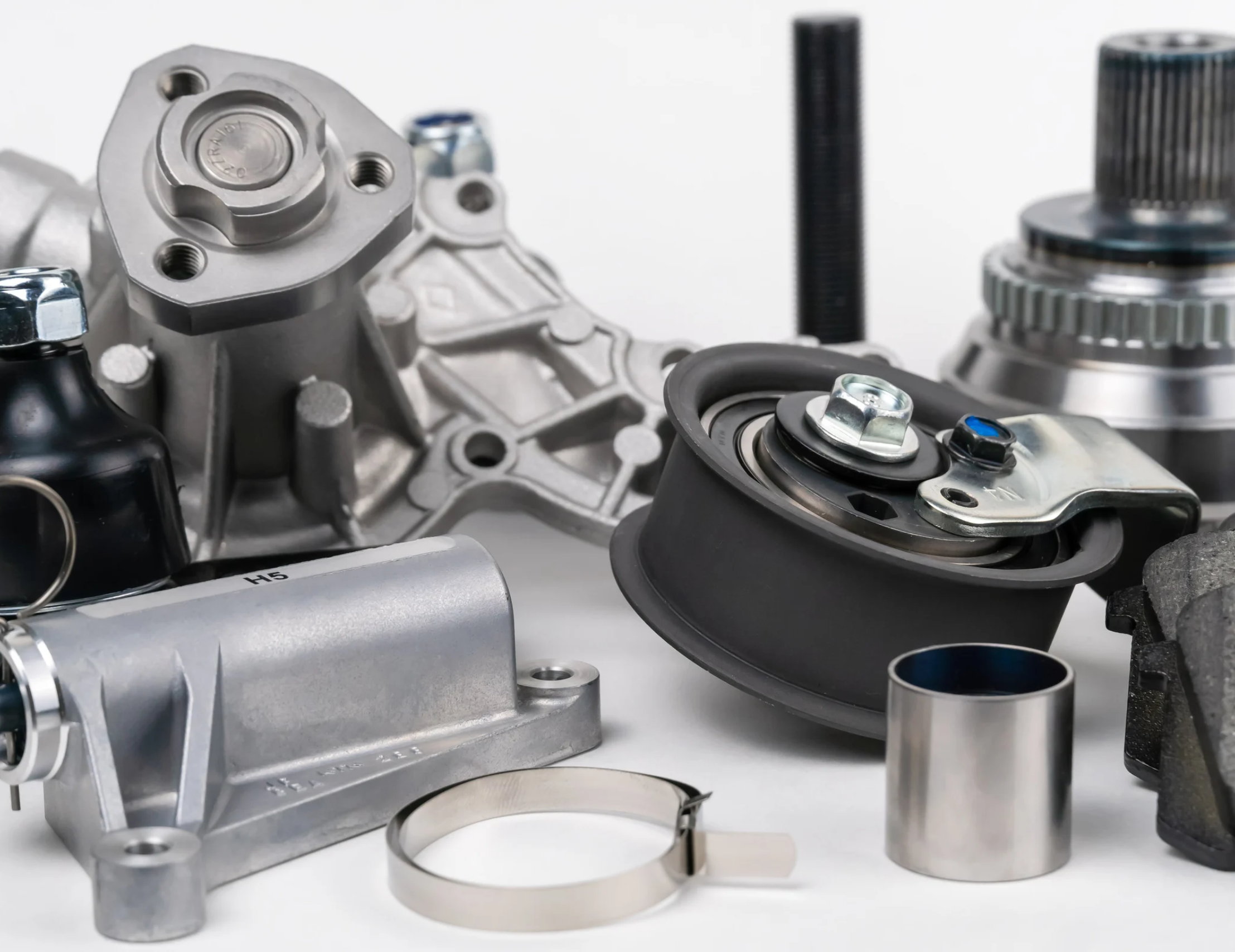
After a car accident, most drivers naturally focus on getting their vehicle repaired quickly and getting back on the road. But there is another important question that can have a major impact on the quality of the repair: What replacement parts are being used?
When a damaged panel, bumper, grille, lamp or other component needs to be replaced, your smash repairer may discuss genuine OEM parts, aftermarket parts, recycled parts or other replacement options. These parts are not necessarily identical. They can differ in their design specifications, materials, fitment, finish and compatibility with the vehicle.
For many collision repairs, genuine OEM parts can provide an important advantage because they are designed for the specific vehicle by, or for, the original manufacturer. That can make a difference when precision, appearance, compatibility and the integration of modern vehicle systems matter.
For drivers looking for smash repairs in Melbourne, understanding the difference between genuine OEM and aftermarket parts can help you ask better questions before approving repair work.
What Are Genuine OEM Parts?
Original Equipment Manufacturer. In the automotive world, OEM parts are the parts manufactured by the vehicle manufacturer or supplied to the manufacturer to its required specifications.
Real OEM replacement parts are made for a specific vehicle application. This means it is made with the vehicle’s dimensions, mounting points, engineering needs and other specifications taken into account.
But aftermarket parts are manufactured by companies that are not the original manufacturer of the vehicle. Some aftermarket parts are good and work for certain applications, but specs and quality can vary among makers and products.
The Australian Competition and Consumer Commission also said there can be differences in price between genuine and non-genuine parts, and consumers may have different options in terms of replacing parts in their vehicles.
Why Do OEM Parts Matter After a Collision?
A collision repair is so much more than just making a damaged vehicle look good again. Proper repair may include the removal of damaged components, replacement of structural or body parts, restoration of paint work, reconnection of electrical components and checking of systems that may have been affected by the impact.
This process can be simplified by using a part that is designed specifically for the vehicle, as the replacement part is designed to work with the original design of the vehicle.
This is especially true in the case of modern vehicles where the bumper, grille, mirrors, doors and other exterior components may have sensors, cameras, lighting systems and other technology.
SE Collision Centre says replacement parts can differ in specification, fitment and quality, and that the type of replacement part should be discussed as part of the repair process.
OEM Parts vs Aftermarket Parts: What’s the Difference?
The biggest difference is the relationship between the part and the vehicle manufacturer.
Factor | Genuine OEM Parts | Aftermarket Parts |
Manufacturer | Produced by or for the vehicle manufacturer | Produced by an independent parts manufacturer |
Vehicle Design | Developed for a specific vehicle application | Designed to fit one or more applications |
Fitment | Intended to match original specifications | Can vary depending on manufacturer and part |
Quality Consistency | Manufacturer-specific specifications | Quality can vary between brands |
Appearance | Designed to match the original component | May differ slightly in shape, finish or detailing |
Vehicle Compatibility | Designed around the original vehicle system | Compatibility depends on the specific part |
Availability | May need to be ordered | Often available from multiple suppliers |
Cost | Often more expensive | Can be less expensive |
Best Consideration | Original-specification replacement | Depends on part quality and suitability |
This table does not mean every aftermarket part is poor quality or that every OEM part is automatically the right choice for every repair. The correct option depends on the vehicle, damage, insurance arrangements, part availability and repair requirements.
1. Precise Fitment Can Make a Difference
One of the largest reasons genuine OEM parts are considered for collision repair is fitment.
A replacement bumper, bonnet, guard, door or other body part has to match up reasonably well with the surrounding parts. Slight differences in shape, mounting points or size can lead to uneven panel gaps or more difficult installation.
An OEM part is made for a specific vehicle application. This could assist the repairer to return the vehicle back to its original configuration.
A damaged bumper, for instance, has to be replaced after an accident and it needs to match neighbouring panels, lamps, grilles and mounting points. It might also have to make room for sensors or other equipment on a modern vehicle.
So a good fit is more than just looks. It can also change the interaction between different components after the repair.
2. OEM Parts Are Designed Around the Vehicle
Vehicle manufacturers engineer their vehicles as integrated systems. Body panels, brackets, bumpers, lighting components, sensors and other parts are designed to work together.
When a genuine OEM replacement part is used, the component has been developed for that particular vehicle platform or application.
This can be particularly relevant when repairing newer vehicles with advanced driver assistance systems. Components around cameras and sensors may need to be positioned correctly for those systems to operate as intended.
That is why a smash repair should not be viewed as simply replacing whatever part looks damaged. The repairer needs to consider how the replacement component interacts with the rest of the vehicle.
3. Modern Safety Technology Makes Correct Parts More Important
Today’s vehicles can contain sophisticated safety and driver-assistance technology. Depending on the model, a collision may involve systems such as parking sensors, cameras, radar, blind-spot monitoring and other electronic components.
Some of these systems are positioned in or around areas that can be damaged during an accident.
A replacement component that does not provide the correct mounting position or compatibility can create additional complications during repair. The specific requirements vary significantly between vehicle makes and models, so a qualified repairer should assess the vehicle and follow the applicable repair procedures.
This is one reason why discussions about OEM collision repair should go beyond the simple question of whether one part costs more than another.
4. Consistent Appearance Matters
Nobody wants to drive a repaired car where one panel sticks out from the rest.
Real OEM body parts are designed to fit the original vehicle’s measurements and styling. This can be helpful in repairing the exterior in case of collision damage.
But changing the part is just one part of getting a quality finish. The preparation of the paint, the matching of the colour, the blending, the aligning of the panels and the final finishing work are also important.
Therefore a quality Melbourne smash repair should address both the replacement component and the workmanship involved in installing and refinishing it.
5. OEM Parts Can Help Preserve the Original Specification
When a vehicle comes out of the factory its components have been chosen and engineered to a specific specification.
When you use authentic replacement parts, you can maintain that original setup after an accident.
This may be particularly so for newer, higher value or highly specified vehicles where owners may wish to keep repairs as close as reasonably possible to the original vehicle.
The ACCC acknowledges that Australian consumers can choose an independent repairer for vehicle servicing and repair, and manufacturer warranties often have their own requirements.
With insurance repairs, however, usable parts may vary based on the insurance policy and repair agreement. Therefore, it is important to check the terms before assuming that a certain type of replacement part will automatically be approved.
Are Aftermarket Parts Always Bad?
No. This is an important distinction.
Aftermarket does not mean automatically low quality. Aftermarket manufacturers produce replacement parts of varying quality, and some parts may be appropriate for specific repairs.
The problem is that “aftermarket” refers to the origin of the part, not any sort of standard of quality.
Aftermarket parts are all over the map in terms of specs, materials, fitment and manufacturing quality. So just knowing that a component is aftermarket doesn’t tell you all you want to know.
The same is true for used or recycled components. They may be an option depending on the vehicle and the repair or part but you need to assess their condition and suitability.
SE Collision Centre specifically recommends that customers ask about the type of replacement parts being used and also check their insurance policy for any restrictions on replacement parts.
Why Insurance Can Affect Your Choice of Parts
insurance repairs can be a bit more complicated, as the insurance company, repairer and vehicle owner may all have different things in mind.
The ACCC has previously identified consumer choice of repairer and replacement parts as key issues in the smash repair industry.
Your policy may require certain procedures for authorising repairs and the types of parts used. Some policies may have conditions on new, genuine, non-genuine, recycled or other replacement parts.
That means you can’t assume that the most expensive or familiar part will be approved automatically. Before repairs start ask your insurer and repairer:
What part is going on it, who is putting it on and what does my policy cover?
Having this information earlier can avoid misunderstandings in the future.
Questions to Ask Your Smash Repairer About Replacement Parts
Before approving accident repairs, it is worth having a clear conversation with your repairer. Ask whether the damaged component will be repaired or replaced and, if it is being replaced, whether the proposed part is genuine OEM, aftermarket, recycled or another type.
You can also ask whether the replacement part is compatible with the vehicle’s safety and electronic systems, whether the part carries any relevant supplier or manufacturer warranty, and whether the insurer has approved the proposed replacement.
For complex repairs, ask whether any sensors, cameras or driver-assistance systems need inspection, calibration or testing after the repair.
These questions can give you a clearer understanding of what is actually being done to your vehicle rather than focusing only on the final repair price.
When Choosing OEM Parts Makes Particular Sense
Genuine OEM parts might be particularly worth discussing if it involves repairing newer vehicles, vehicles with advanced safety technology, premium vehicles, or areas where precise fitment and system compatibility are especially important.
They can also be handy during the restoration of a vehicle where the priority is on preserving the original appearance and configuration specific to the manufacturer.
The final decision, however, must be based on the vehicle and the repair to be performed. Every accident is different and a professional repairer will be able to assess the damage and tell you what options are available.
Choosing the Right Smash Repairer in Melbourne
The quality of a collision repair is more than the parts put into it. The end result is the culmination of assessment, structural repair, panel alignment, paint prep and refinishing, reassembly and final quality checks.
This is especially important when dealing with hidden collision damage. The vehicle may be cosmetically repaired but requires further inspection or subsurface work.
If you’re a motorist looking for smash repairs Melbourne, collision repair Melbourne or car accident repair Melbourne it is worth looking beyond the headline price and asking how the repair will be performed, what parts will be used and what checks will be completed before the vehicle is returned.
SE Collision Centre’s own guidance notes that “A collision repair can involve assessment, panel repair or replacement, refinishing, reassembly and final quality checks – not just removing a visible dent.”
Frequently Asked Questions
What are OEM parts in smash repairs?
OEM parts are components produced by or for the original vehicle manufacturer and designed according to the manufacturer’s specifications for a particular vehicle application.
Are genuine OEM parts better than aftermarket parts?
OEM parts can offer advantages in vehicle-specific fitment, specifications and compatibility. However, aftermarket parts vary in quality, so the suitability of a particular component should be assessed based on the vehicle and repair.
Are aftermarket parts safe?
An aftermarket part is not automatically unsafe simply because it is aftermarket. Quality and suitability can vary between manufacturers and products. The repairer should confirm that the selected component is appropriate for the vehicle and repair.
Do insurance companies always cover OEM parts?
Not necessarily. Coverage depends on the insurance policy and the specific repair arrangement. Ask your insurer and repairer what replacement-part options are authorised before work begins.
Can OEM parts affect the appearance of my repaired car?
They can help maintain the original vehicle dimensions and styling because they are designed for the specific vehicle. However, paint matching, panel alignment and refinishing workmanship are also important.
Should I ask what parts will be used after an accident?
Yes. Before approving a repair, ask whether the replacement parts are genuine OEM, aftermarket, recycled or another type, and whether the parts are compatible with your vehicle and any relevant safety or electronic systems.
The Bottom Line: Parts Are Part of the Repair
After an accident, the goal shouldn’t be to make the vehicle look repaired. A proper collision repair should consider the vehicle’s structure, body parts, finish, technology and overall functionality.
OEM parts are the real deal. They’re designed around the original vehicle specs and intended use. When restoring a damaged vehicle, their fit, compatibility and integration with the vehicle can make them an important option.
The aftermarket parts shouldn’t be dismissed out of hand either. The important thing is to know exactly what is being proposed, why it is appropriate for the repair, and whether it meets the requirements of the vehicle and insurance arrangement.
If your vehicle has been in an accident, discuss replacement parts with your repairer before the repair begins. Having an understanding of whether you’re getting real OEM, aftermarket or recycled parts provides you with a better understanding of the repair and helps you make a well-informed decision about your vehicle’s restoration.