
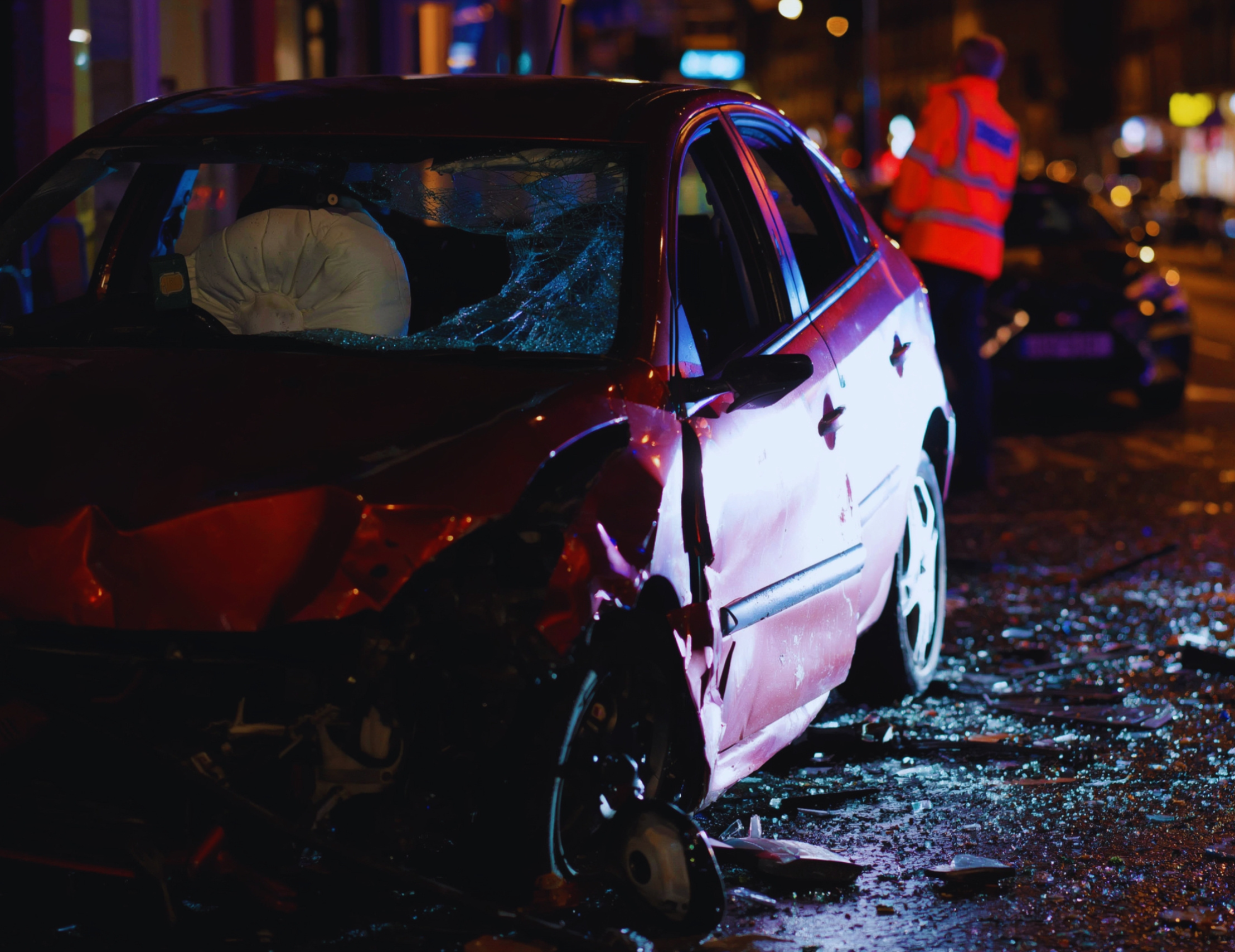
The damage from a car accident is often visible. You might see a bent bumper, scratched paintwork, broken lights or damaged panels. But a crash can also damage parts of the car hidden under the bodywork, like the frame or chassis.
Frame or chassis damage after an accident can be harder to detect as the vehicle can still look fairly normal from the outside. Changes in steering, handling, tyre wear or panel alignment might be the first indication that something underneath the vehicle has been affected in some cases.
Knowing the warning signs of frame damage after an accident can help you decide when your vehicle needs a professional inspection instead of assuming the damage is only cosmetic.
What Is a Car Frame or Chassis?
The frame or chassis is an important part of a vehicle’s underlying structure. It is also the base for the mounting of many other vehicle parts and contributes to the maintenance of the intended geometry of the vehicle.
Modern passenger vehicles can be built in different body construction methods, so the exact structural components vary from vehicle to vehicle. The impact can affect structural sections , mounting points , crumple zones or other parts of the vehicle’s body structure . It is contingent upon the type of vehicle and collision .
Not all structural damage is obvious, so a vehicle that looks like it has only panel damage may require a more detailed inspection after an accident.
What Causes Frame or Chassis Damage?
A collision can deliver enough force through the vehicle to cause structural damage. Structural components behind the visible panels could be affected by a serious front-end collision, a rear-end crash or a side impact.
The amount of damage depends on the direction of impact, collision force, vehicle construction and the parts involved.
Even if the damage to the outside appears limited, an inspection may reveal problems behind the damaged panels. That’s why professional collision inspections often look beyond the visible dents and scratches. SE Collision Centre also notes that, following a collision, there is a possibility of hidden structural damage and they use detailed inspection methods to assess areas that may not be visible on the surface.
Signs Your Car’s Frame or Chassis May Be Damaged
There isn’t always one obvious symptom that confirms structural damage. Instead, several changes may indicate that your vehicle needs further inspection.
Your Car Pulls to One Side
One indication that drivers may notice is that a vehicle may no longer go straight when the steering wheel is turned in the normal manner after a collision.
There are a few reasons a vehicle will pull to one side, including wheel alignment, suspension damage or tyre problems. If the change occurred right after an accident, structural or mounting point damage should also be considered.
If your car feels different since the accident it is worth having it professionally assessed for the cause rather than assuming it just needs an alignment.
The Steering Wheel Is No Longer Straight
If your steering wheel is off-center when the vehicle is driving straight, you might have a problem with the suspension or alignment.
It does not mean that the frame is bent as a matter of course. But an off-centre steering wheel and other changes in handling after a collision may raise concerns about underlying damage.
A professional collision inspection can help determine if the problem is with alignment, suspension parts, or more serious structural damage.
Uneven or Rapid Tyre Wear
Another possible sign of hidden accident damage is irregular tyre wear.
If one tire or one side of the tires begins to wear faster than the other tires after a collision, the vehicle may have an alignment, suspension, or wheel-position problem. Damage to structural or mounting components can contribute to these problems in some cases.
Don’t ignore uneven tyre wear, especially if it happened after an accident.
Your Vehicle Handles Differently
You may feel a difference in the way your vehicle behaves when cornering, braking or driving over rough roads.
The steering response might have changed, it may feel less stable, or the car no longer feels balanced as it did before the accident.
Changes in handling have many causes and do not necessarily indicate frame damage. However, new handling problems after a collision should be professionally investigated.
Doors, Bonnet or Boot No Longer Align Properly
Panel gaps can give another clue.
A door, bonnet or boot may not sit or close as it used to before an accident. Body panels should be evenly spaced. Sometimes a panel or mounting points shift and results in uneven gaps.
Misaligned panels can also be caused by damaged hinges, brackets or individual body panels, so visual inspection alone can’t tell whether the underlying structure has been compromised.
Doors Are Difficult to Open or Close
If a door suddenly becomes difficult to open or close after an accident, do not assume that the problem is simply a damaged door.
A collision may impact the door itself, its hinges, surrounding panels or the vehicle structure around the opening.
Assessing the side impacts is especially important because the force can be transmitted to doors, pillars, sills and other structural parts. SE Collision Centre’s side-impact repair process includes checking door alignment, pillars and the structural frame where needed.
Visible Buckling or Wrinkling
Visible buckling, creasing or unusual deformation in the vicinity of structural areas is a strong indication that the vehicle has absorbed a significant amount of impact energy.
You may see odd folds or distortion around the engine bay, boot area, pillars, floor or other areas around the collision.
But the structural damage is not always visible. A vehicle may still need to be checked further, even when there is no obvious buckling from the outside.
Unusual Noises After an Accident
New noises after a collision can be an indicator that something has changed underneath the vehicle.
When turning, braking, accelerating or driving over bumps, you may hear knocking, creaking, rubbing or other unusual sounds.
These noises can come from the suspension, wheels, brakes, exhaust components or other parts, so don’t immediately assume it’s frame damage. But when the noises are new, and happened after an accident, they are worth checking out.
The Vehicle Appears to Sit Unevenly
When your vehicle is parked on a level surface, look at it. If one corner looks significantly higher or lower than the other, there may be a suspension, springs, wheels or other problem.
A change in ride height does not necessarily mean that the chassis is damaged but it can be a sign that the vehicle needs to be checked, particularly following a major impact.
Can a Car Have Hidden Frame Damage?
Yes. Sometimes structural damage is hidden behind exterior panels and other vehicle components.
Damage to reinforcement components, mounting points or structural sections can be hidden by a bumper or body panel. That’s why a visual inspection at first glance might not tell the whole story.
“A professional assessment may include computerised frame measurement and inspection with the vehicle on a hoist to identify damage that is not visible externally,” SE Collision Centre says.
This is especially true when the car handles differently after an accident, even when the damage appears to be relatively minor.
Why Frame Damage Should Not Be Ignored
Vehicle structure design is to be an integrated system. The addition of structural components may not be enough if there has been damage; just repairing the outside panels will not solve the problem.
Possible causes can be unresolved structural or related alignment problems, handling problems, uneven tyre wear, poor panel fitment and other problems.
Modern vehicles may also have cameras, radar and other driver-assistance systems located relative to the geometry of the vehicle. So structural repairs can mean more than just the body work. SE Collision Centre points out that structural repairs can impact the geometry used by ADAS components and may need appropriate recalibration.
How Is Car Frame Damage Repaired?
The repair depends on the vehicle, the location of the damage and the severity of the impact.
A professional collision repairer will generally begin with a full damage assessment. A more detailed examination of the vehicle can then be made, including those areas hidden by damaged panels.
Where structural damage is discovered, specialist equipment and measurement techniques may be used to restore the vehicle structure and alignment to the correct repair standards.
You can then repair or replace the visible bodywork, then refinish and reassemble it. Final checks should ensure that panels, doors and relevant vehicle systems are working correctly.
SE Collision Centre offers accident repairs, panel beating, frame straightening and related repair services.
Can a Bent Car Frame Be Fixed?
Structural damage can be repaired but the repair method used will depend on the vehicle and the location and severity of the damage.
A professional repairer has to evaluate the vehicle before he can decide whether structural components can be repaired, require replacement or need another manufacturer-appropriate repair procedure.
The important thing is that structural repairs must not be carried out on the basis of the external appearance of the vehicle alone. Repair is an essential element of accurate assessment and appropriate measurement.
What Should You Do After a Collision?
After an accident, do not assume that cosmetic damage you can see is the entire story.
If it pulls to one side, the steering feels different, the doors no longer align, the tyres are wearing unevenly or you hear unusual noises, arrange a professional inspection.
If you believe that the vehicle may not be safe to drive, do not keep driving it unnecessarily and get the right help.
A comprehensive collision evaluation can identify both visible and hidden damage and assist in determining what repairs are necessary.
Frame and Chassis Damage: Quick Warning Signs
Some of the common warning signs to look for after a collision include:
- The vehicle pulls to one side.
- The steering wheel is no longer centred.
- Tyres develop uneven wear.
- Doors, bonnet or boot no longer align correctly.
- Doors become difficult to open or close.
- New noises appear after the accident.
- The vehicle handles differently.
- You notice buckling or unusual distortion.
- The vehicle appears to sit unevenly.
- New warning lights or system issues appear after the collision.
These signs do not automatically prove that the frame or chassis is damaged. Several mechanical or suspension problems can produce similar symptoms. A professional inspection is the appropriate way to identify the underlying cause.
When Should You Get a Professional Collision Inspection?
After a significant collision you should consider having your vehicle professionally inspected especially if you notice any change in the way it drives or there is damage around the front, rear, doors, pillars or other structural areas.
An inspection can be particularly important when the exterior damage does not appear to be as bad as the force of the collision would indicate.
Professional collision repairers can look beyond the visible bodywork and determine if there is a need for further structural, suspension, alignment, electrical or safety-related repairs.
Frame and Chassis Repair in Melbourne’s South-East
If your car has been in an accident, getting the damage assessed properly is an important part of the repair process.
South East Collision Centre in Clyde North offers collision repair and smash repair to drivers throughout Melbourne’s south-east, including Cranbourne, Carrum Downs, Lynbrook and surrounding areas. Services include panel beating, frame straightening, front end collision repair, side impact repair and rear end collision repair.
Whether the damage is visible or you are worried about hidden structural damage, a professional assessment can help you determine what your vehicle needs before repairs begin.
Frequently Asked Questions
How can I tell if my car frame is damaged after an accident?
Common warning signs include changes in steering or handling, uneven tyre wear, misaligned doors or panels, unusual noises and visible structural distortion. These symptoms can also have other causes, so professional inspection is needed to confirm frame or chassis damage.
Can a car look fine but have frame damage?
Yes. Some structural damage can be hidden behind body panels or other components. A detailed collision inspection can identify problems that may not be visible during a basic exterior inspection.
Is it safe to drive a car with possible frame damage?
It depends on the type and severity of the damage. If the vehicle handles differently, has major structural damage or you believe it may be unsafe, avoid unnecessary driving and arrange a professional assessment.
Does uneven tyre wear mean my chassis is bent?
Not necessarily. Uneven tyre wear can be caused by incorrect tyre pressure, wheel alignment, suspension problems or other issues. If the uneven wear appeared after an accident, however, the vehicle should be inspected to determine the cause.
Can frame damage be repaired?
Depending on the vehicle and extent of the damage, structural components may be repairable using appropriate repair methods and equipment. The repair approach should be determined after a professional assessment.
Where can I get collision frame damage checked in Melbourne?
Drivers in Melbourne’s south-east can contact South East Collision Centre in Clyde North for vehicle damage assessment and collision repair services. The centre services surrounding areas including Cranbourne, Carrum Downs and Lynbrook.
Get Your Vehicle Checked After a Collision
A collision can leave more than dents and scratches. Changes in steering, handling, tyre wear, panel alignment or vehicle behaviour may indicate something has been affected beneath the bodywork.
If you think you have car frame damage after an accident, don’t just go by what you can see from the outside. A professional collision assessment can identify hidden damage and determine what repairs are needed to get the vehicle back on the road.
South East Collision Centre offer professional collision repair, panel beating and frame straightening services to get damaged vehicles back on the road for drivers in Clyde North, Cranbourne, Carrum Downs, Lynbrook and surrounding Melbourne areas.