
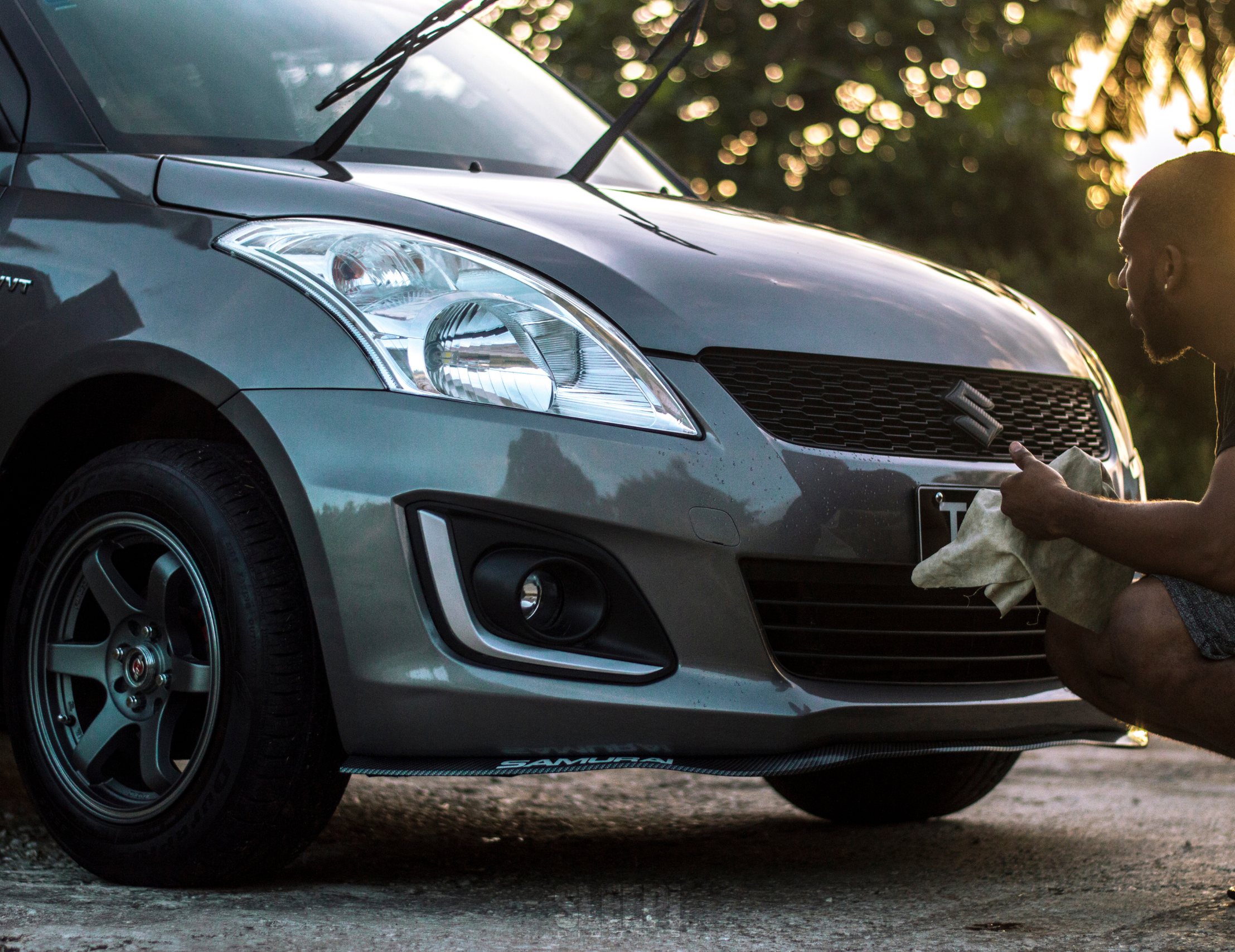
If you think a small bump or scrape can be repaired with a bumper repair, think again. Even a small front or rear bumper repair on today’s cars can silently turn off some of the most important safety systems in your car, unless it is followed by proper ADAS recalibration.
We see this misconception all the time here at South East Collision Center. They believe that when the panel is straightened, the paint matched and the car looks “as good as new” the job is done. But most cars from the last 5 to 8 years may look fine on the outside but the safety systems underneath are not working as the manufacturer intended.
What Is ADAS, Exactly?
ADAS stands for Advanced Driver Assistance Systems the collection of cameras, radars, and sensors that power features like:
- Autonomous Emergency Braking (AEB)
- Lane Departure Warning and Lane Keep Assist
- Adaptive Cruise Control
- Blind Spot Monitoring
- Parking Sensors and 360-degree Cameras
- Forward Collision Warning
The systems use sensors placed in certain locations, usually behind the front bumper, the grille, the windshield or the rear bumper. Factory calibrated to operate within fractions of a millimeter of tolerance. That precision is exactly what’s at risk in a collision repair.
Why a Minor Bumper Repair Can Affect ADAS
What most drivers don’t know is that these systems can be upset without a serious crash.
- Sensors move even if panels aren’t broken A radar or camera bracket located behind your bumper can move a few millimeters during an impact, which is enough to change what the sensor sees, with no visible evidence on the exterior of the car.
- Datum point is reset by removal and refitting of the bumper Any time a bumper is removed for repair, be it a front bumper repair, rear collision damage repair, or even minor dent removal and repair, the sensors mounted to or near it lose their factory predetermined reference angle.
- Paintwork thickness and bumper alignment matter more than you think “A small variation in the panel gap or paint thickness after a repair can change the strength of the radar signal and the focus of the camera, particularly for parking sensors and AEB radar units located behind the bumper skin.”
- Structural repairs alter the whole reference frame If your repair involved any structural work – a side impact repair, or more significant front end damage, for example – the entire geometry of the vehicle can shift slightly, and this affects every camera and sensor calibrated relative to the chassis.
What Happens If You Skip Recalibration?
This is where it gets serious. A car with uncalibrated ADAS won’t necessarily throw an obvious warning light but it may:
- Brake later (or earlier) than you should during an emergency stop
- Misjudge distances for adaptive cruise control, tailgate or follow too closely
- False lane departure alerts or no alerts when you actually stray
- Misjudge the blind spot warnings, especially dangerous on multi-lane roads near Cranbourne and Clyde North and the South East Melbourne arterials
- Fail a roadworthy or insurance later down the track
In other words, the car might look perfectly repaired while its safety net is quietly compromised.
The ADAS Recalibration Process
Proper recalibration usually requires one or both of the following procedures, depending on the vehicle and system:
- Static calibration the car is positioned in a controlled workshop environment using calibration targets, boards, and diagnostic equipment set at manufacturer-specified distances and angles.
- Dynamic calibration the vehicle is driven under certain conditions (speed, road markings, traffic) while the system relearns and recalibrates itself from live data.
Many vehicles require both. It’s not a shot in the dark – it needs software specific to the manufacturer, the target equipment and a workshop that knows what systems are fitted to your specific make and model.
Why This Matters for Your Insurance Claim Too
If you are having an insurance repair, ADAS calibration is not optional – it’s part of returning your vehicle to genuine pre-accident condition, mechanically and legally. A repair that doesn’t include recalibration leaves you underinsured in a practical sense: If a safety system fails to work in a second incident because it wasn’t recalibrated, that’s a serious liability question, not just a comfort issue.
That’s why it is so important to choose a smash repairer who understands modern vehicle technology as much as the quality of the bodywork itself, not just panel and paint.
How South East Collision Centre Handles ADAS-Equipped Vehicles
At our Clyde North workshop, any repair involving a bumper, front-end or structural part is checked for ADAS impact before we sign the job off. The process we use is:
- Pre-repair scanning to identify existing fault codes and sensor status
- Careful removal and refitting of sensor-mounted panels during smash repair services
- Post-repair calibration checks in line with manufacturer specifications
- Clear communication with your insurer so recalibration is included in the claim, not left as a surprise cost
From simple paintless dent repair around a sensor housing to full storm damage repair after Melbourne’s unpredictable weather, we take the safety systems as seriously as the panel work itself.
Frequently Asked Questions
Does every bumper repair require ADAS recalibration?
Not every single one — it depends on whether your vehicle has cameras, radar, or sensors mounted in or near the bumper, grille, or windscreen. Most cars made in the last 8–10 years have at least one ADAS feature, so it’s always worth checking with your repairer rather than assuming it’s not needed.
How do I know if my car has ADAS features?
Check for features like autonomous emergency braking, lane keep assist, adaptive cruise control, or 360-degree parking cameras in your owner’s manual or on the dashboard controls. If in doubt, our team at South East Collision Centre can check this for you during the initial assessment.
Will my insurance cover ADAS recalibration after a repair?
In most cases, yes — recalibration is considered part of restoring your vehicle to its pre-accident condition, so it should be included in an approved insurance repair. We coordinate directly with insurers to make sure this step isn’t left out or billed as a surprise extra.
Can I tell if my ADAS is out of calibration just by driving the car?
Not reliably. Many calibration issues don’t trigger a warning light and may only show up as slightly delayed braking, inaccurate parking sensor readings, or false lane departure alerts — subtle enough that most drivers won’t notice until it matters.
How long does ADAS recalibration take after a bumper repair?
It varies by vehicle and system, but static calibration usually takes under an hour in a controlled workshop setting, while dynamic calibration may add extra time since it involves a supervised test drive. We factor this into your overall repair timeline so there are no last-minute delays.
The Bottom Line
A bumper that appears straight and a paint job that matches perfectly are only part of the story on a modern car. If your car has cameras, radar or sensors built into its bumper or grille – and most cars registered in the last decade do – ask your repairer directly: “Will my ADAS be recalibrated as part of this job?”
If the answer is vague, that’s worth paying attention to.
Need a repair that takes your car’s safety systems as seriously as its paintwork? Get in touch with South East Collision Centre in Clyde North, or request a quote today we’ll make sure your car leaves our workshop looking right and working right.