
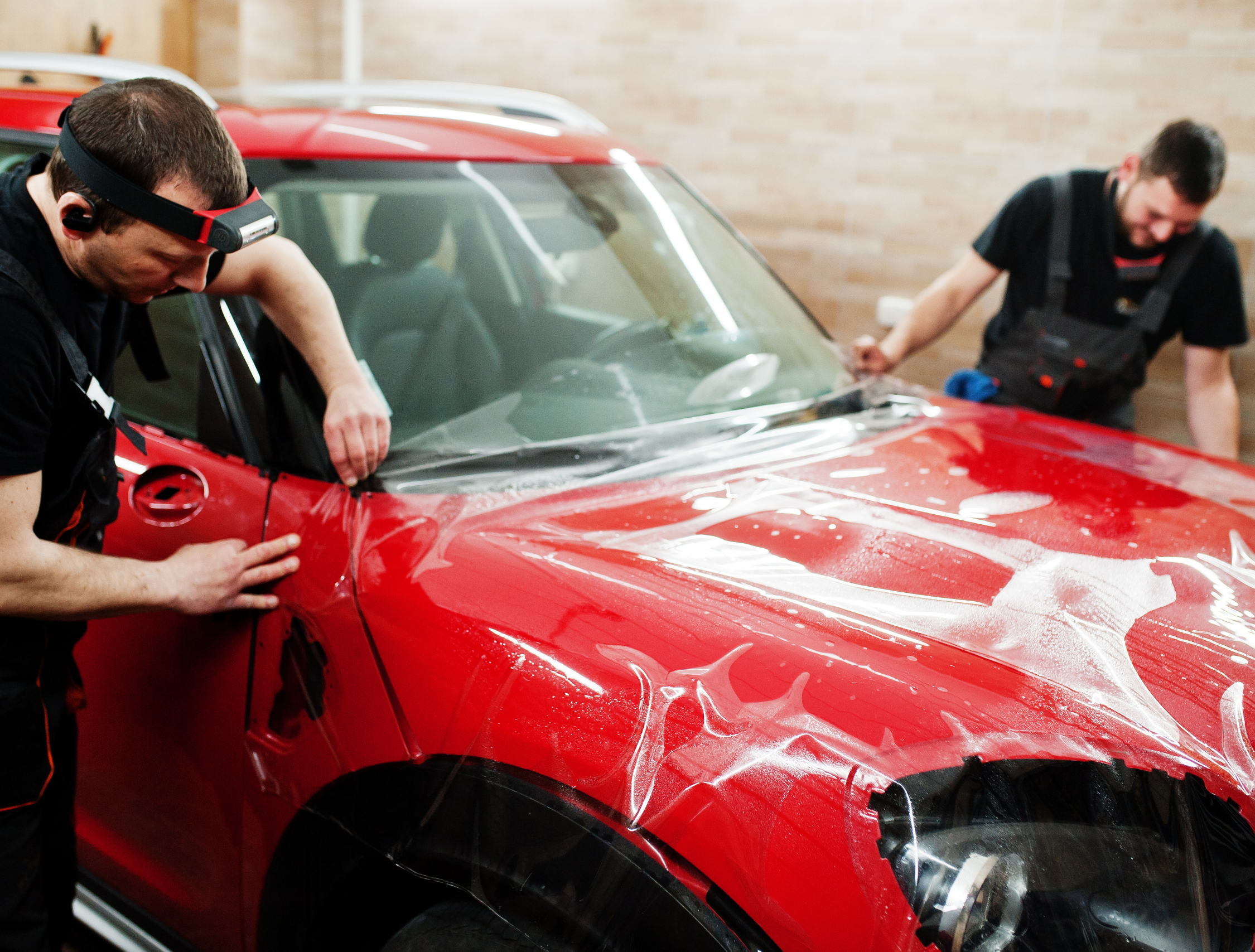
Having your car repaired professionally after an accident is an important step in restoring its appearance and condition. But how you take care of your vehicle after the repair also plays a part in how well the repaired areas continue to look over time as well.
Proper care is required for fresh paint, repaired panels and refinished areas, particularly during the settling period of the finish. Using the right cleaning products, not using rough washing techniques and keeping the car out of harm’s way can preserve the quality of the repair.
This guide looks at how you can protect your car after a professional smash repair and how you can extend the life of its paintwork and repaired panels.
Why Is Car Aftercare Important After a Smash Repair?
A professional smash repair can restore damaged panels, paintwork and other parts of a vehicle to their former condition. But even after the repair has been made, regular maintenance is still important.
Good aftercare can help:
- Maintain the appearance of repaired panels
- Keep the paint finish looking clean
- Reduce the risk of new scratches
- Protect the vehicle from contaminants
- Prevent avoidable paint deterioration
- Preserve the overall appearance of the vehicle
South East Collision Centre advises the importance of proper paint aftercare following a respray, including gentle washing and avoiding abrasive products while the paint is setting.
Follow Your Repairer’s Aftercare Instructions
When you pick up your repaired vehicle the first thing to do is to ask your repairer about the recommended aftercare.
Care requirements can vary between different paint products, finishes and repair techniques.
Your repairer could advise you about:
- When the vehicle can be washed
- Which cleaning products to use
- When polishing is appropriate
- When wax or sealants can be applied
- Whether ceramic protection is suitable
- How to care for newly painted panels
Do not think that all the repaired vehicles should be treated all the same immediately.
One of the easiest ways to protect the finished work is to follow the advice given by the technicians who completed the repair.
Avoid Harsh Cleaning Products
One of the easiest ways to protect your repaired vehicle is by employing the right automotive cleaning products.
Avoid harsh household detergents or cleaning chemicals not designed for automotive paint.
Instead use a mild automotive shampoo and follow the instructions on the product.
Harsh products can affect the appearance of automotive finishes and may not be suitable for use on recently repaired paintwork.
The South East Collision Centre’s respray guide recommends gentle automotive shampoo rather than harsh household detergents when caring for repaired paint.
Wash Your Car Carefully
The way you wash your vehicle can be just as important as the things you use to wash it.
When you wash your car:
- Rinse the vehicle before washing
- Use a suitable automotive shampoo
- Use clean washing equipment
- Avoid rubbing heavily against the paint
- Rinse away dirt and soap thoroughly
- Dry the vehicle using a clean microfiber towel
Dirt and grit rubbing against the paint can scratch small scratches.
Gentle washing will help minimise unnecessary wear on the repaired finish.
Use Clean Microfiber Towels
Microfiber towels are a useful tool for cleaning and drying automotive paint as they are softer on the surface than inappropriate cloths.
Use clean towels on painted areas and don’t use towels with dirt, grit or debris.
It’s also a good idea to keep the towels you use on wheels separate from the ones you use on painted panels.
South East Collision Centre recommends using clean microfiber towels to help minimise swirl marks and preserve the vehicle’s finish.
Avoid Aggressive Polishing After a Repair
Polishing can improve the look of automotive paint but should not be done too aggressively or too soon after a repair.
Depending on the products and process used by the repairer, the paint may need to settle or cure after a fresh repair.
Before polishing:
- Ask your repairer when it is appropriate
- Use products designed for automotive paint
- Avoid excessive pressure
- Do not aggressively polish repaired areas
- Follow the paint manufacturer’s or repairer’s recommendations
If you are unsure, ask the repairer before applying polishing products.
Remove Bird Droppings, Tree Sap and Other Contaminants Quickly
Your vehicle’s paint is exposed to many contaminants during normal driving.
These can include:
- Bird droppings
- Tree sap
- Road grime
- Dirt
- Insects
- Road tar
- Other environmental pollutants
Leaving contaminants on the paint for long periods of time can make them harder to remove and can affect the finish.
If you observe any contamination, clean the area using a cleaning method which is safe for paint, rather than rubbing it hard.
South East Collision Centre recommends that bird droppings, sap and other pollutants be removed quickly as part of good paint aftercare.
Be Careful Around Repaired Panels
After a smash repair, it is worth paying particular attention to the repaired areas.
Check the vehicle regularly for:
- New scratches
- Stone chips
- Paint marks
- New dents
- Peeling or damaged paint
- Changes in panel appearance
If you see a problem don’t come on too strong trying to fix it yourself.
If the damage is serious or you don’t know how to fix it properly, get a professional repairer in.
Protect Your Car From Unnecessary Exposure
Where possible, park your vehicle in a protected location.
A garage or covered parking area can reduce exposure to:
- Direct sunlight
- Rain
- Hail
- Tree sap
- Bird droppings
- Falling branches
- Other environmental contaminants
South East Collision Centre repairs hail and storm damage to vehicles and points out that weather damage can impact the paintwork and panels of cars.
Parking in a protected location will not shield from all types of damage, but it will decrease unnecessary exposure to harsh environmental conditions.
Be Careful With Automatic Car Washes
Some automatic car washes use brushes or equipment that can be rough on your vehicle’s paint.
If your car has had a repair or respray recently, ask your repairer what specific washing method is recommended.
If you can, wash by hand carefully with the right automotive products and you have more control over how the repaired surface is treated.
This is especially useful if you want to avoid unnecessary rubbing or contact with the paintwork.
When Should You Apply Wax or Paint Protection?
Wax, sealants and ceramic-style protection can help maintain the appearance of automotive paint, but they should not be automatically applied immediately after every repair.
The exact timing may depend on the paint system and the repair process.
Before applying:
- Wax
- Paint sealant
- Ceramic coating
- Other paint protection products
ask the repairer when it is safe and proper to do so.
South East Collision Centre specifically recommends you listen to your painter when you are ready to apply wax, sealant or ceramic protection after a respray.
Consider Ceramic Coating for Long-Term Paint Protection
A ceramic coating is one option for paint protection.
South East Collision Centre is a vehicle ceramic coating.
However, the timing and suitability of any coating should be discussed with the repairer, particularly if the vehicle has had recent paintwork.
A professional can advise if the repaired finish is ready to accept the product chosen for protection.
Check Your Car Regularly After the Repair
Regular inspection can help you notice small problems before they become larger ones.
Every few weeks, take a few minutes to look over:
- Repaired panels
- Bumpers
- Doors
- Bonnet
- Roof
- Wheel areas
- Paint finish
- Panel alignment
Look for anything that is different from when you picked up the vehicle.
If you notice paint imperfections, alignment problems or other issues related to the repair, call the repairer instead of attempting a major DIY fix.
Keep Your Repair Documentation
After professional smash repair, keep a record of the work done.
This could be helpful:
- Repair invoices
- Insurance documents
- Parts information
- Paint or repair details
- Warranty information
- Photos before and after repair
- Service records
Keep these documents handy in case you need to discuss the repair down the road or someday sell the vehicle.
It also keeps the record of the repairs of the vehicle.
Protect the Car From New Scratches and Dents
Once your vehicle’s damage has been repaired, it’s just as important to prevent new damage as it is to maintain the paint.
When parking:
- Choose wider spaces when possible
- Avoid parking too close to other vehicles
- Be careful around shopping trolleys
- Avoid tight areas where doors can hit your vehicle
- Take care when loading items into the boot
- Keep branches and other objects away from the vehicle
Small dents and scratches can happen during everyday driving, but careful parking habits can reduce the risk.
What If You Notice a Problem After the Repair?
If you notice something that does not look or feel right after your vehicle has been repaired, contact the repairer.
Examples include:
- Paint imperfections
- Uneven panel gaps
- Loose trims
- New rattling sounds
- Problems with lights
- Issues with sensors
- Paint peeling
- Visible repair defects
A reputable repairer should be able to assess whether the issue is related to the completed repair.
South East Collision Centre states that its repairs are backed by a lifetime workmanship guarantee, providing additional peace of mind for customers.
How Professional Smash Repair Helps Protect Your Vehicle
Protecting your car starts with the quality of the original repair.
A professional repair process can involve:
- Initial damage assessment
- Insurance approval
- Vehicle strip-down
- Hidden damage inspection
- Panel repair or replacement
- Paint matching and spray painting
- Reassembly
- Final quality inspection
South East Collision Centre walks through this process, finishing with a final quality check on panels, paint finish, lights, sensors and electronics.
A good repair makes for a better base to maintain the car after.
Common Mistakes to Avoid After a Smash Repair
Some simple mistakes can make it harder to maintain a freshly repaired vehicle.
Washing With Household Detergent
Household cleaning products are not necessarily suitable for automotive paint.
Use a gentle automotive shampoo instead.
Polishing Too Aggressively
Heavy polishing can unnecessarily affect the finish. Follow your repairer’s recommendations.
Leaving Bird Droppings or Sap on the Paint
Remove contaminants promptly using a paint-safe method.
Using Dirty Towels
Dirt trapped in a towel can create scratches when rubbed against painted surfaces.
Applying Protection Without Asking the Repairer
Wax, sealants and coatings may require specific timing after paintwork. Ask the technician first.
Ignoring New Damage
Small scratches and dents should not automatically be ignored. Early assessment can help determine whether a simple repair is possible.
Why Choose South East Collision Centre?
South East Collision Centre is a smash repair and vehicle restoration workshop located in Clyde North.
Its services include:
- Smash repairs
- Panel beating
- Spray painting
- Bumper repairs
- Paintless dent removal
- Storm and hail damage repair
- Roof repair and restoration
- Ceramic coating
- Towing
- Insurance repair services
The centre says its technicians use modern equipment and genuine parts and all repairs come with a lifetime workmanship guaranty.
The workshop services drivers in the Melbourne areas of Clyde North, Cranbourne, Carrum Downs, Lynbrook and the surrounding areas.
Frequently Asked Questions About Protecting Your Car After Smash Repair
How soon can I wash my car after a smash repair?
The right timing can depend on the paint and repair process. Ask your repairer when the vehicle is ready to be washed and follow their specific after care instructions.
Can I use normal household soap to wash my repaired car?
It is better to use a mild automotive shampoo that is formulated for car paint, rather than harsh household detergents.
Can I polish my car after a professional repair?
Polishing can be okay once the paint has settled down completely but do not be too rough and check with your repairer about when is the best time to do it.
Should I apply ceramic coating after a smash repair?
Ceramic coating may be an option for additional paint protection, but the correct timing depends on the repaired paint. Speak with your repairer before applying a coating. South East Collision Centre offers ceramic coating as one of its vehicle services.
How can I prevent scratches after my car is repaired?
Wash the vehicle carefully, use clean microfiber towels, avoid abrasive cleaning methods and park carefully away from situations where your vehicle could easily be scratched.
What should I do if the paint starts peeling after a repair?
Contact the repairer and have the area inspected. Do not aggressively sand, polish or repaint the area yourself before the repairer has assessed it.
Does South East Collision Centre provide a warranty on repairs?
South East Collision Centre states that its repairs are backed by a lifetime workmanship guarantee.
Conclusion: Protect Your Car After a Professional Smash Repair
Professional smash repair can restore your vehicle to its former glory after an accident, but proper aftercare is essential to preserve the finished result.
Use gentle automotive cleaning products and wash the vehicle carefully. Keep contaminants off the paint. Avoid aggressive polishing. Follow your repairers advice about wax, sealants and ceramic protection.
Keeping an eye on repaired panels and addressing new damage quickly can also help your vehicle to look its best.
If you’re looking for accident repairs, paintwork, dent removal or other collision-related services, South East Collision Centre offers professional repair services from Clyde North to drivers across Melbourne’s south-east.
Q&A
Question: What is the best way to protect newly repaired car paint?
Answer: Follow the repairer’s aftercare instructions, using gentle automotive shampoo, washing carefully, using clean microfiber towels and avoiding harsh or abrasive products.
Question: Can I wax my car immediately after a respray?
Answer: Don’t assume that you’re okay to wax right away. Ask the painter or repairer when the paint is ready for wax, sealer or other protection.
Question: How can I keep my repaired car looking new?
Answer: Regular gentle washing, quick removal of contaminants, careful parking and proper paint protection can help maintain vehicle looks.
Question: Should I use an automatic car wash after smash repairs?
Answer: Ask your repairer first. If the vehicle has recently been painted, a careful washing method may be more appropriate than an aggressive automatic wash.
Question: What if I notice a defect after collecting my repaired car?
Answer: Contact the repairer and describe the fault. Don’t attempt any major repairs yourself so that the repairer can correctly diagnose the problem and check whether it is related to the original repair.