
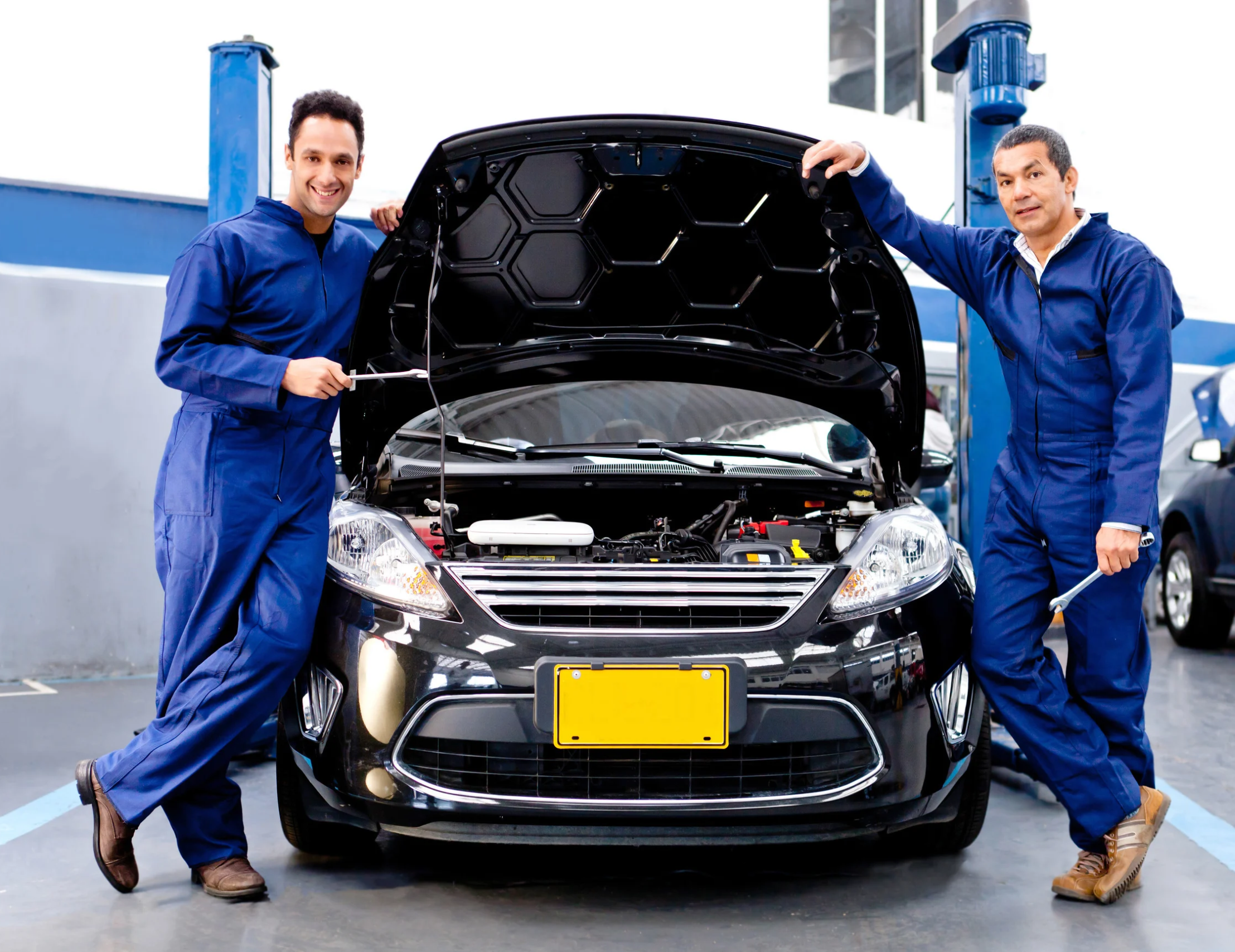
After a car accident, the damage you see is only part of the story.
A damaged bumper, dented panel, cracked headlight or broken grille might be obvious, but modern vehicles have dozens of electronic systems and sensors dotted all over the vehicle. What looks like a relatively small impact from the outside can sometimes impact components, wiring, sensors or driver-assistance systems which aren’t immediately visible.
This is where computerised diagnostic scanning after an accident can become a vital part of the collision repair process.
A diagnostic scan allows technicians to communicate with the vehicle’s electronic control systems and scan for any stored fault information or warning codes. Combined with a physical inspection, it can help the smash repairer paint a more complete picture of what happened during the collision.
If you’re a driver in Clyde North, Cranbourne, Carrum Downs, Lynbrook and Melbourne’s south-east, knowing the importance of diagnostic scanning can help explain why a professional smash repair may involve a whole lot more than fixing visible body damage.
What Is Computerised Diagnostic Scanning?
Computerised diagnostic scanning is the process of linking specialised diagnostic equipment to a vehicle’s electronic systems to retrieve data from its on-board computers.
Many functions in modern cars are monitored and managed by electronic control modules. “Depending on the type of vehicle, these systems can be related to the engine, transmission, airbags, braking systems, steering, parking sensors and advanced driver-assistance features.
If there is an accident, the vehicle may store fault information or warning codes about the systems affected by the accident.
With the right diagnostic equipment, the technician can find relevant information and determine if additional inspection or testing is required.
But a diagnostic scan is not a substitute for physical inspection. It’s one piece of a larger assessment of damage from a collision.
Why Is a Diagnostic Scan Important After an Accident?
The biggest reason is that modern vehicles are increasingly dependent on electronic systems.
Consider a front-end collision.
The visible damage might include:
- Cracked bumper
- Damaged grille
- Broken headlight
- Scratched bonnet
- Bent front panel
But behind those parts could be sensors, wires, mounting brackets, cameras or other equipment.
“Once we strip down damaged sections, we do a thorough inspection and check for any hidden or secondary damage,” says South East Collision Centre. (secollisioncentre.com.au)
Diagnostic scanning adds another layer of information to this physical exam.
What Can a Diagnostic Scan Find?
A scan can reveal stored fault codes or electronic issues not immediately apparent by looking at the vehicle.
Depending on the vehicle and systems involved a technician may be able to identify information related to:
Airbag and restraint systems: A collision can trigger or affect components associated with the vehicle’s restraint systems.
Parking sensors: Sensors positioned in bumpers can be damaged, disconnected or affected by an impact.
Cameras and driver-assistance systems: Modern vehicles may use cameras and sensors for features such as lane assistance, parking assistance and other safety functions.
Electronic control modules: A collision can potentially result in fault information being stored within vehicle control systems.
Electrical faults: Damaged wiring, connectors or electronic components may require further investigation.
The exact information available depends heavily on the vehicle’s make, model and electronic architecture.
This is why a qualified technician should interpret the diagnostic information rather than treating a fault code as a complete diagnosis.
Diagnostic Scanning vs Physical Inspection
A common misconception is that a diagnostic scanner can tell a repairer everything that is wrong with a vehicle.
It can’t.
A diagnostic scan and physical inspection work together.
Diagnostic Scanning | Physical Inspection |
Checks electronic systems for stored information | Examines physical components |
Can identify relevant fault codes | Finds dents, cracks and deformation |
Helps identify electronic system issues | Checks panels, mounts and structural areas |
Useful for sensors and electronic systems | Identifies mechanical and body damage |
Provides electronic information | Provides physical evidence of impact |
May indicate areas requiring further investigation | Confirms actual condition and damage |
The best approach is to combine both.
South East Collision Centre’s professional smash repair process involves an initial assessment, a strip-down and hidden-damage inspection before repairs can begin.
When Is Diagnostic Scanning Used During Smash Repairs?
Diagnostic scanning can be useful at different points during a collision repair.
Initial Assessment
“After an accident, the technicians will review the vehicle and evaluate the visible and possible concealed damage.
Where appropriate diagnostic equipment can provide additional information about the electronic systems of the vehicle.
This information is useful to help contribute to the Repair Assessment.
During the Repair
When damaged panels and components are removed, technicians may discover additional damage that was not apparent during the initial inspection.
“Hidden damage can be bent brackets, damaged mounts and structural issues,” says South East Collision Centre.
If the affected area contained electronic components, those systems may need additional testing or inspection.
After Repairs
Once the repairs are made, the relevant systems can be rechecked to ensure that the vehicle is operating as it should.
A post-repair scan may assist in identifying any residual fault information to be investigated prior to the vehicle being returned to normal use.
This is especially true when the collision involved areas containing sensors, cameras, or other electronic safety equipment.
How Diagnostic Scanning Helps Identify Hidden Accident Damage
One of the biggest problems after a collision is that not all the damage is visible.
Even if parts behind the bumper are impacted, the bumper can look fairly normal.
Similarly, an impact near a wheel or suspension area could cause problems that are not obvious from a visual inspection of the bodywork.
Diagnostic information can offer another source of evidence for technicians.
For example, if a warning pops up on a car after an accident about a sensor or electronic control system, the technician can check that system instead of ignoring it as unrelated to the problem.
That doesn’t mean every warning code is a byproduct of the accident. “Technicians must look at the vehicle history, physical condition and diagnostic information together.
What About ADAS and Safety Sensors?
Modern vehicles increasingly use Advanced Driver Assistance Systems (ADAS).
Depending on the vehicle, these systems can include features such as:
- Adaptive cruise control
- Lane departure warning
- Lane keeping assistance
- Blind-spot monitoring
- Automatic emergency braking
- Parking assistance
- Forward collision warning
These may need cameras, radar, ultrasonic sensors or other elements.
A collision in a bumper, grille, windscreen, mirror, suspension component or other relevant area could potentially affect the positioning or operation of these systems.
According to the latest bumper repair advice from South East Collision Centre, the latest bumpers can come with parking sensors, cameras and ADAS related parts and inspection, testing or calibration may be required depending on the repair.
That, is one of the reasons modern collision repair is more than just making damaged panels look straight again.
Does Every Accident Need a Diagnostic Scan?
Not necessarily.
The need for diagnostic scanning is dependent on the vehicle, type and location of the collision, systems that may have been affected and the repair required.
A very minor cosmetic scratch might not touch electronic systems at all.
But scanning is very much on point in the event of an accident involving areas with sensors, cameras, airbags, electronic components or other safety-related systems.
A qualified repairer should assess the vehicle and decide which checks are appropriate, rather than applying exactly the same process to every accident.
Why Diagnostic Scanning Matters More in Modern Cars
Vehicles have changed tremendously.
A modern vehicle is not just a mechanical device with an engine, gearbox, brakes and body panels. It’s a network of interlocking electronic systems.
Collision repair has changed also.
Sensor checks may be necessary for bumper replacement. When replacing or removing a windscreen, cameras are a consideration. Repairing a front end collision could involve systems hidden behind the grill or bumper.
South East Collision Centre in Clyde North stresses the use of modern repair technology and equipment to ensure drivers in Cranbourne, Carrum Downs, Lynbrook and Melbourne’s south-east are well looked after.
Computerised Diagnostic Scanning in the Smash Repair Process
A professional collision repair process can be thought of as a series of connected stages.
Stage | What Happens | Role of Diagnostics |
1. Initial assessment | Visible damage is documented. | Can identify relevant electronic faults |
2. Insurance assessment | Repair scope and estimate are prepared. | Diagnostic findings may support assessment. |
3. Vehicle strip-down | Damaged areas are removed for inspection. | Electronic components can be inspected |
4. Hidden damage assessment | Secondary damage is identified. | Scan information can support further investigation. |
5. Repairs | Damaged components are repaired/replaced. | Relevant systems may be tested. |
6. Reassembly | The vehicle is put back together. | Sensors and electrical connections checked. |
7. Final checks | Vehicle undergoes quality inspection. | Diagnostic checks may be performed where appropriate |
8. Handover | Vehicle is returned to customer | Warning lights and relevant systems should be checked |
The exact process varies according to the vehicle and accident.
The important point is that diagnostic scanning is part of a wider repair strategy—not a replacement for proper mechanical and structural inspection.
Can a Diagnostic Scan Detect Structural Damage?
No, not by itself.
This is an important difference.
A diagnostic scanner primarily gives you information from the electronic systems in the vehicle. It cannot physically check to see if a chassis rail, mounting bracket, panel or structural component has been bent.
Structural assessment is a physical inspection, and where necessary, appropriate measurement and repair procedures are included.
Hence a proper post-accident car inspection should be a combination of electronic diagnostics and a physical examination.
South East Collision Centre in particular points out that vehicle strip-down can uncover concealed structural damage, bent brackets and damaged mounts that were not apparent during the initial assessment.
What Happens If a Diagnostic Scan Finds a Fault?
A fault code is not necessarily a sign that a component will have to be replaced.
The technician should then investigate the fault to determine what is wrong.
For example, a sensor-related fault can be caused by:
- Physical damage
- Damaged wiring
- A disconnected connector
- Incorrect installation
- Communication issues
- A component failure
- Another related system
The technician may need to perform additional testing before deciding what repair is required.
This is why professional diagnostic interpretation is just as important as having the scanning equipment.
Why You Shouldn’t Ignore Warning Lights After a Crash
If a warning light pops up after an accident, don’t just assume it’s harmless.
South East Collision Centre advises that if any unexpected warning lights appear after smash repairs, they should be checked out, especially with the proliferation of electronic and driver assistance systems in modern vehicles.
The same principle here if the vehicle is acting differently after the collision.
Warning signs may include:
- New dashboard warning lights
- Parking sensors not working
- Camera systems behaving differently
- Steering feeling unusual
- Vehicle pulling to one side
- Unusual vibrations
- Unexpected electronic warnings
If something doesn’t feel or operate normally, tell the repairer.
Does Diagnostic Scanning Increase Smash Repair Costs?
It can be part of the diagnostic and repair process, but the cost depends on the vehicle and what testing is required.
A simple scan may be relatively straightforward, while more complex vehicles may require additional testing, calibration or manufacturer-specific procedures.
Importantly, diagnostic work can help identify issues that might otherwise remain unresolved.
The cheapest repair estimate isn’t necessarily the best comparison if one repairer includes comprehensive assessment and system checks while another only quotes for visible bodywork.
A better question is:
“What checks are included in the repair, and how will you verify that the vehicle is safe and functioning correctly when the work is complete?”
Questions to Ask Your Smash Repairer
If your vehicle has been involved in an accident, consider asking:
- Will the vehicle receive a diagnostic scan?
- Which electronic systems are being checked?
- Does the damaged area contain sensors or cameras?
- Will ADAS systems need calibration?
- Will the vehicle be scanned again after repairs?
- How will hidden damage be checked?
- Are damaged sensors or wiring being inspected?
- Will warning lights be investigated before handover?
- Are manufacturer repair procedures being followed?
- What final safety and quality checks are performed?
These questions can help you understand what is actually included in your repair.
Why Choose a Comprehensive Collision Repairer?
Collision repair is not just popping a dent out and painting a panel.
The repairer has to look at the whole vehicle and determine if it was mechanical, structural, electronic or safety related parts that were involved in the accident.
From minor dents to full collision restoration, South East Collision Centre in Clyde North does it all, using the latest technology and equipment to complete all repairs. The workshop is available to customers across Clyde North, Cranbourne, Carrum Downs, Lynbrook and the wider Melbourne region.
Its repair process includes damage assessment, insurance approval, professional repairs and a final quality check before the car is returned.
Frequently Asked Questions
What is computerized diagnostic scanning after an accident?
It is the use of specialised diagnostic equipment to communicate with a vehicle’s electronic systems and retrieve relevant fault information. It can help technicians identify electronic issues that may not be visible during a normal visual inspection.
Can a diagnostic scan find hidden accident damage?
It can identify certain electronic faults or stored information, but it cannot detect every type of hidden damage. Structural, mechanical and body damage still requires physical inspection.
Do smash repairers scan cars after an accident?
The need for diagnostic scanning depends on the vehicle and the type and location of damage. It can be particularly relevant when an accident affects electronic systems, sensors, cameras, airbags or driver-assistance technology.
Can a diagnostic scan detect airbag problems?
Diagnostic equipment can provide information about faults in relevant restraint-system electronics, but the vehicle still needs proper physical inspection and repair according to the applicable procedures.
What is ADAS calibration after an accident?
ADAS calibration is the process of ensuring relevant cameras, sensors or other components are correctly positioned and functioning according to the vehicle’s requirements. Whether calibration is required depends on the vehicle and repair performed.
Should my car be scanned after bumper damage?
It depends on the vehicle and the components located in or behind the bumper. Modern bumpers can contain parking sensors and other safety-related technology, so appropriate inspection and testing may be required.
What should I do if a warning light appears after smash repairs?
Tell the repairer as soon as possible and have the warning investigated. Don’t assume that the warning is unrelated to the collision or repair.
Does a diagnostic scan replace a physical collision inspection?
No. Diagnostic scanning and physical inspection serve different purposes and work best together. A scanner provides electronic information, while technicians physically inspect body, structural and mechanical components.
A Modern Car Accident Requires More Than a Visual Inspection
A vehicle may appear repaired but still need additional checks.
This is why computerised diagnostic scanning after an accident can be an important part of a modern smash repair process. It provides technicians with another means to pinpoint electronic failures and explore systems that are not immediately obvious from the exterior.
But scanning is only one aspect of a proper impact assessment. Physical inspection, hidden-damage checks, correct repairs, proper sensor or ADAS procedures and final quality checks all help get the vehicle safely back on the road.
For drivers in Clyde North, Cranbourne, Carrum Downs, Lynbrook and Melbourne’s south-east, selecting a collision repairer who can assess both the visible and hidden damage can make a big difference.
Our repair process at South East Collision Centre incorporates detailed damage assessment, modern repair technology, and final quality checks to help restore vehicles after accidents.
And then a collision, not just whether your car looks fixed.
Ask if it has been checked, repaired and checked properly.