
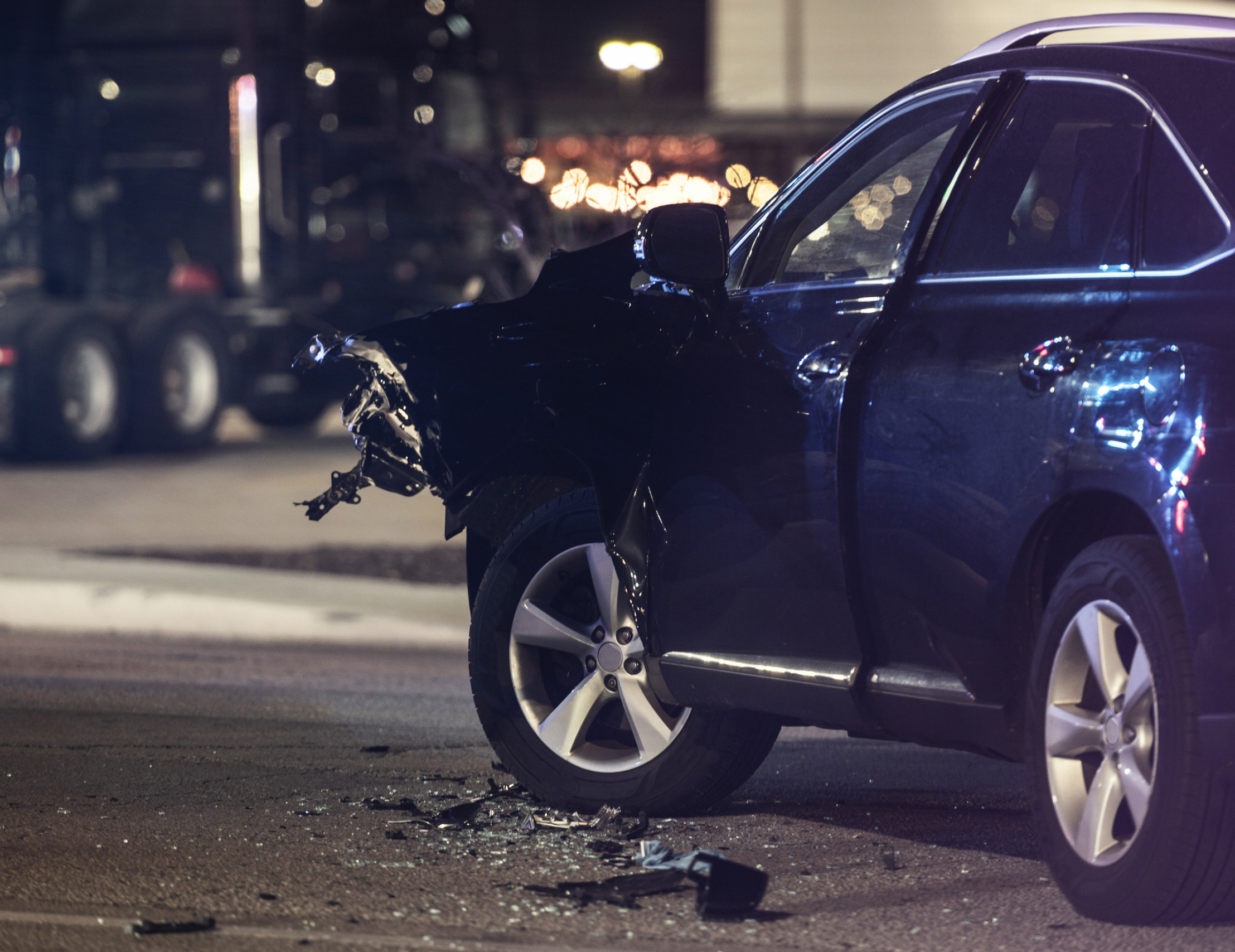
Driving in winter in Melbourne can be a challenge, even for the most experienced drivers. Rain, fog, and slippery roads, as well as darker mornings, reduced visibility and changing road conditions can all make it harder to react to unexpected situations. That’s hard enough with a poorly maintained vehicle.
In Melbourne, looking after your car properly in winter is more than just keeping it in good working order. It can also help reduce your chances of losing control, not being able to stop safely or being involved in a crash because of preventable vehicle problems.
Victoria authorities are urging people to check important parts of their cars, including tyres, windscreen wipers, battery, lights and brakes, before travelling in winter conditions. Motorists also should slow down, increase their distance from other vehicles, and avoid sudden braking or steering while on wet or slippery roads.
Melbourne drivers can go a long way with a bit of preparation before the colder, wetter months.
Why Winter Car Care Matters in Melbourne
Melbourne winter weather is unpredictable. A clear morning could turn into a wet afternoon, and fog or poor light could affect visibility during the early morning and evening commutes.
Tyre grip can be reduced and stopping distances increased on wet roads. Fog and rain make it harder to see vehicles, pedestrians, cyclists and road markings. Broken lights or worn windscreen wipers can make it difficult for other road users to see you and for you to see the road ahead at the same time.
Transport Victoria recommends checking weather and road conditions before travelling, driving to the conditions and keeping a safe distance as stopping distances are longer in rain.
Therefore, consider winter vehicle maintenance as an integral part of your overall car accident prevention strategy in Melbourne, not something you do only when your vehicle develops a noticeable problem.
Winter Car Care: What Should You Check?
Vehicle area | Winter problem | Potential collision risk | What to do |
Tyres | Reduced grip, worn tread or incorrect pressure | Skidding and longer stopping distances | Check tread, pressure and tyre condition |
Brakes | Wear or reduced performance | Difficulty stopping safely | Have brakes inspected if worn or abnormal |
Windscreen wipers | Streaking or poor clearing | Reduced visibility during rain | Replace worn blades |
Headlights | Dim, damaged or faulty lights | Other drivers may not see you clearly | Check headlights, brake lights and indicators |
Battery | Reduced performance in cold conditions | Vehicle may fail to start or electrical systems may be affected | Check battery condition |
Windscreen | Chips or cracks | Reduced visibility | Repair or inspect damage promptly |
Bumpers and panels | Existing collision damage | Damage may worsen or affect components | Arrange a professional inspection |
Suspension/alignment | Damage or uneven wear | Poor handling and vehicle stability | Inspect after pothole or collision impacts |
Check Your Tyres Before Winter
Your tyres are one of the most important parts of your vehicle when driving on wet roads in Melbourne.
Tyres with insufficient tread or the wrong pressure can give less grip, especially if there is water on the road. Transport Victoria says tyres are vital for handling and traction when emergency braking, steering and cornering, with the minimum legal tread depth in the principal grooves being 1.5 mm.
But the legal minimum tread depth should not be viewed as a target for safe driving. If your tyres are looking worn, damaged, unevenly worn or deteriorating, have them checked.
Look for cracks, bulges, punctures and abnormal wear patterns. Uneven tyre wear can sometimes point to an alignment or suspension problem that needs fixing before it becomes a bigger issue.
Correct tyre pressure is also important. Don’t judge by appearances, but by what the manufacturer recommends for pressure.
Why Do Tyres Matter for Collision Prevention?
Imagine a car in front of you that suddenly brakes on a wet road. Your ability to stop safely depends on a number of things, including your speed, following distance, brakes and tyre grip.
If your tyres are worn and the road is wet, you may have less grip than you need when you need it most.
This is why winter car maintenance in Melbourne should always include a tyre check.
Inspect Your Brakes
Brakes need to work dependably in any weather, but winter conditions can make braking more difficult.
Wet or slippery roads can increase stopping distances and travelling too fast for the conditions can make it more difficult to react to sudden changes in traffic.
Watch for warning signs such as squealing, grinding, vibration, pulling to one side or a brake pedal that feels different from normal.
If you notice any odd braking behaviour, book an inspection rather than waiting for the problem to worsen.
It is especially important to have a brake inspection if your vehicle has been in an accident recently. Sometimes, parts under the vehicle may be affected even when the vehicle appears to drive normally after a collision.
Replace Worn Windscreen Wipers
Windscreen wipers are easy to overlook until you actually need them.
Worn blades during heavy rain can leave streaks, patches of water or an unclear section across the windscreen. This can hamper seeing vehicles, lane markings and hazards.
Safe Transport Victoria recommends replacing wiper blades if they shudder across the windscreen or leave streaks which impair vision.
Check your wipers are cleaning the windscreen properly before winter. Also be sure to refill your washer fluid and clean the windscreen itself.
A clear view gives more time to identify possible risks and take appropriate action.
Check All Your Lights
Many Melbourne drivers spend more time commuting in low-light conditions with shorter winter days.
Headlights , brake lights , indicators , tail lights and hazard lights all help increase visibility . A faulty light can affect your ability to see as well as the ability of other road users to recognise what your vehicle is doing.
Safe Transport Victoria recommends regularly checking your headlights, brake lights and indicators.
If a light is broken, damaged, flickering or not working, have it repaired immediately.
That is even more important after a small crash. Even minor visible damage, a bumper or rear-end impact can damage lighting assemblies, wiring or mounting points.
Don’t Ignore Small Collision Damage
One of the biggest mistakes after a minor accident is thinking that just because the damage is small and visible, there is nothing important to check.
A cracked bumper, damaged grille, misaligned panel or broken light are cosmetic, but a collision can also affect components behind the visible exterior.
For example, a bumper impact could possibly impact mounting points, sensors or other components behind the bumper. Rear-end collisions may be associated with the boot-area components or misalignment problems that are not immediately obvious.
Rather than focusing solely on the most obvious panel damage, South East Collision Centre’s repair process begins with an assessment of visible and potential hidden damage.
If your vehicle has already been in an accident, winter is not the time to let existing damage go unrepaired.
Check Your Windscreen for Chips and Cracks
Your windscreen gives you visibility and is an important part of the overall structure of the vehicle.
A small chip may appear harmless but temperature changes, road vibrations, or further impacts may cause the damage to spread.
Check the windscreen carefully, especially in the driver’s field of vision, before winter. If you notice a crack or a chip, don’t assume it’s going to stay that way – get it checked.
A damaged windscreen plus rain, fog or low light may result in an unnecessary visibility problem.
Pay Attention to Suspension and Wheel Alignment
Melbourne roads can present vehicles with potholes, uneven surfaces and rough patches of road. Wheel alignment, tyres, suspension components or steering can be affected by a hard impact.
Symptoms may include the vehicle pulling to one side, uneven tyre wear, vibration through the steering wheel or unusual noises.
Those are questions worth considering before winter gets more demanding.
Poor alignment does not necessarily cause a collision by itself, but it can affect vehicle handling and tyre wear. If the problem appeared after hitting a pothole or kerb, a professional inspection can assess whether suspension or steering components have been affected.
Be Careful Around Wet and Slippery Roads
Vehicle maintenance is only one part of staying safe in winter. Of equal importance is driving behaviour.
When the road is wet, do not accelerate abruptly, brake hard or steer sharply. Wet and greasy roads can cause vehicles to slip or slide, and Transport Victoria advises easing into acceleration and braking gently.
You should also give more space between your car and the car in front. That gives you more time to react if traffic slows unexpectedly.
Driving the posted speed limit does not always equate to the right speed for all conditions. Rain, fog, poor visibility and slippery surfaces may mean you need to slow down even more.
Increase Visibility in Rain and Fog
Visibility problems can contribute to collisions because drivers have less time to identify hazards.
In rain, spray from other vehicles can temporarily make the road difficult to see. Fog can reduce visibility even further, particularly around Melbourne’s outer areas and regional roads.
Transport Victoria recommends using headlights to improve visibility and avoiding high-beam headlights in fog or snowy conditions because they can make visibility worse.
If visibility becomes extremely poor, finding a safe place to pull over can be safer than continuing simply because you want to reach your destination quickly.
Be Extra Careful Around Potholes and Damaged Roads
Winter weather can mask existing damage on roads, especially when potholes are filled with water.
Driving through potholes could damage your wheels, suspension, alignment and tyres. WorkSafe Victoria says bad road conditions can cause damage to wheels, tyres, shock absorbers and suspension.
If a pothole is unavoidable, reduce your speed where possible and avoid making sudden steering movements.
After a major impact, watch for any changes in steering, vibrations, tyre pressure or vehicle handling. If you notice a difference after hitting a pothole, get your vehicle checked.
What If Your Car Already Has Collision Damage?
If your car already has collision damage, winter can be a good time to get it assessed.
The mountings may be loose or broken and a bumper may be damaged. A broken light can reduce visibility If you see a panel that is out of alignment, it could mean that something more serious is going on underneath. Scratches that expose the underlying metal can also become more prone to corrosion with time.
South East Collision Centre offers collision repair services such as panel beating, spray painting, bumper repairs, paintless dent removal and repairs after various types of collisions.
The right fix depends on the damage. A small dent with good paint could be a candidate for Paintless Dent Removal, whereas deeper dents, cracked panels or paint damage may require traditional panel repair and refinishing
Minor Damage vs Damage That Needs Immediate Attention
Not every scratch or dent means your vehicle needs major repairs. However, knowing the difference between cosmetic damage and potentially important damage is valuable.
Damage | Usually cosmetic? | Why inspection may be useful |
Small surface scratch | Often | Paint may be affected but underlying panel may remain intact |
Small dent with intact paint | Often | PDR may be suitable depending on location and depth |
Deep scratch through paint | Not always | Exposed material may deteriorate or require refinishing |
Cracked bumper | No | Mounting points or components behind the bumper may be affected |
Broken headlight | No | Reduces visibility and communication with other drivers |
Misaligned bonnet | No | May indicate damage to surrounding components |
Steering pulls after collision | No | Could indicate alignment, suspension or steering damage |
Uneven tyre wear after impact | No | May indicate alignment or suspension problems |
The important point is not to diagnose collision damage based only on appearance. If the vehicle behaves differently after an accident or impact, professional assessment is the safer approach.
A Simple Winter Car Care Routine
You don’t have to wait for a major service to keep an eye on your car.
Before winter driving check your tyre pressure and condition, test the lights, inspect the windscreen and wipers, check fluid levels and watch for any change in braking, steering or handling.
If you’ve recently had a collision or hit a big pothole, add a professional inspection to your winter preparation.
This simple routine can help find problems before they become more expensive or could potentially affect your ability to drive safely.
When Should You Visit a Collision Repair Centre?
your vehicle has been involved in a collision, you should consider professional inspection even if the damage looks minor.
It is especially important if you notice any strange noises, steering changes, vibrations, warning lights, damaged lights, loose panels, fluid leaks or any problems with the operation of the doors, bonnet or boot.
A professional collision repairer can determine if the damage is cosmetic or if other components require attention.
Drivers in Melbourne’s south-east can easily get accident related damage assessed before it turns into a bigger problem by using a local smash repairer in Clyde North.
Why Winter Preparation and Collision Repair Go Together
Preventive maintenance will not guaranty you will never be involved in an accident. You can’t control other drivers, road conditions or other unexpected hazards.
But a well maintained car will get you off to a better start.
Better traction can come from good tires. Well-functioning brakes can help you stop. Working lights improve the visibility of your vehicle. Good wipers give you a better view. Proper repair of collision damage can help to ensure that damaged components are not left unrepaired.
That’s why winter car care in Melbourne needs to be a component of a broader approach to road safety.
Frequently Asked Questions
What should I check on my car before winter in Melbourne?
Check your tyres, brakes, battery, lights, windscreen, wipers and fluid levels. Also inspect for existing collision damage and unusual steering or suspension behaviour.
Can worn tyres increase the risk of a collision?
Yes. Worn tyres can provide less grip, particularly on wet roads. Tyres play an important role in braking, steering and cornering, so maintaining them is an important part of winter vehicle safety.
Should I repair minor collision damage before winter?
It is worth having minor damage assessed, particularly if it involves bumpers, lights, the windscreen, panels, sensors or vehicle alignment. Some damage that appears cosmetic may involve components underneath.
How does rain affect collision risk?
Rain can reduce tyre grip, visibility and braking performance. Stopping distances are longer on wet roads, so drivers should reduce speed and increase following distance.
When should I visit a smash repairer after an accident?
Arrange an inspection if there is visible body damage, a damaged bumper or light, unusual steering, vibration, warning lights, fluid leaks or any change in how the vehicle drives.
Where can I get collision repairs in Melbourne’s south-east?
South East Collision Centre in Clyde North provides collision repair services for drivers across Melbourne’s south-east, including panel beating, spray painting, bumper repairs, Paintless Dent Removal and other accident-related repairs.
Prepare Your Car Before Winter Conditions Get Worse
Winter driving doesn’t have to be stressful, but preparation does count. A few simple checks can help you spot problems with tyres, brakes, lights, wipers, visibility and vehicle handling before they become more serious.
For drivers in Melbourne, with wet roads, shorter daylight hours and reduced visibility, winter car maintenance is more important than ever. Victoria’s road-safety authorities advise motorists to have their vehicle checked before winter travel and to adapt their driving to the conditions.
If your vehicle already has accident damage, don’t wait for winter conditions to expose a problem. An experienced collision repairer will be able to assess the damage to the bumper, light, panel, windscreen or alignment issue.
If you’ve been involved in a smash in Melbourne’s south-east, South East Collision Centre in Clyde North can evaluate the damage from an accident and find the best way to repair it, whether it’s a small dent or bumper damage, or a larger collision repair.