
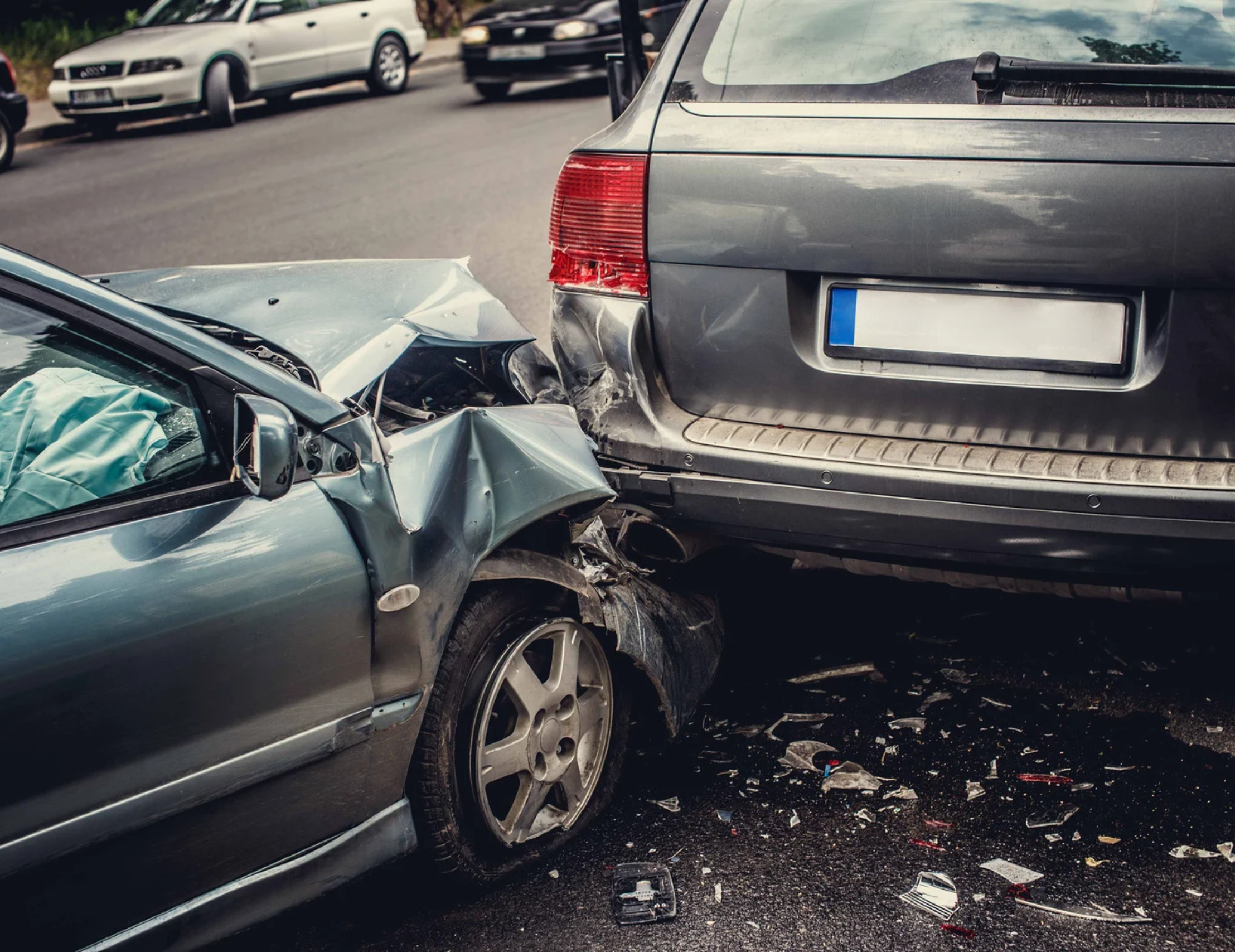
Not all car accidents damage a vehicle the same. The location of impact and the force of impact may determine which components are affected, how much hidden damage needs to be investigated and what type of repair process is required.
Typically, a rear end collision will involve the rear bumper, trunk, tailgate, rear panels, lights and their mounting area. A frontal crash, by contrast, may include the front bumper, grille, headlights, hood and components behind the front bodywork.
But the difference is not only to fix the front or rear bumper. Depending on the severity of the crash, both types of collision can affect structural components, wheels, suspension, alignment, electrical systems and safety technology.
For Melbourne drivers needing smash repairs, understanding these differences could shed light on why two cars involved in similar accidents may require vastly different repair strategies.
What Is the Difference Between Front-End and Rear-End Collision Repair?
The main difference is the section of the vehicle that needs to be inspected and restored.
Front-end collision repair repairs damage around the front of the vehicle. This could include the bumper, grille, headlights, bonnet, front panels, mounting points and components behind the impact zone.
Rear end collision repair is the rear bumper, boot lid or tailgate, rear panels, lights, mounting points and locations behind the damaged exterior.
What repair is done depends on the force, angle and place of the collision. A low speed impact can be mostly cosmetic damage, but a more serious crash could be structural or mechanical components.
Current SE Collision Centre service information is limited to assessment of, and repair/replacement of panels, alignment and related checks for front- and rear-end collision damage.
Front-End Collision Repair: What Does It Involve?
The front end of a modern car is a crowded place with many important components packed into a relatively small space.
Front-end inspection may include the bumper, grille, headlights, hood, front-end panels and mounting points, depending on the vehicle and the collision. Apart from the visible parts, cooling, electrical, structural and safety-related systems may also be present.
SE Collision Centre’s front-end repair service lists bumpers, grilles, headlights and front panels as common areas for repair. It stresses the importance of alignment and safety checks.
Front Bumper Damage
The bumper is one of the first things to get damaged in a head-on collision.
Damage may be scratches, minor dents, cracks, deformation or total displacement. The bumper may be repairable or replaced depending on the type and severity of the damage as well as the condition of the component.
Today’s bumpers may also have sensors and other tech, so the assessment for repairs should be more than skin deep.
Headlight and Grille Damage
A front collision can affect headlights, grilles and their mounting points.
Even when a headlight still appears to work, its mounting position or surrounding components may have been affected. Proper alignment and inspection are therefore important during the repair.
The grille can also be cracked, broken or displaced, while components behind it may require further inspection.
Bonnet and Front Panel Damage
In a collision the bonnet or front panels can be deformed and can affect the alignment with the surrounding bodywork.
Repairers may need to repair or replace damaged panels and make sure gaps, lines and closures are correctly aligned.
The finished car should be something that is pleasing to look at from more than a few metres. The repaired panels should work properly and fit well with the surrounding components.
Hidden Damage in Front-End Collisions
One of the biggest reasons a front-end collision requires careful assessment is that visible damage does not always show the full extent of the impact.
Behind the bumper and grille may be components that cannot be properly assessed until damaged exterior parts are removed.
SE Collision Centre’s collision guidance notes that front impacts can potentially involve bumper components, grille, headlights, mounting points, alignment and components behind the damaged area. Its repair process can involve panel removal when necessary to investigate hidden damage.
This is why a quick visual inspection from outside the vehicle may not be enough after a significant collision.
Rear-End Collision Repair: What Does It Involve?
A rear-end collision can seem relatively minor, especially if most of the visible damage is around the rear bumper.
A vehicle’s rear, however, is more than just a bumper. Depending on the vehicle and severity of impact, repairs can include the boot lid or tailgate, rear panels, lights, mounting points and areas behind the bumper.
SE Collision Centre offers rear collision repair services from bumper to boot lid, as well as inspection of related components and alignment.
Rear Bumper Damage
A rear bumper can absorb a lot of the impact in a collision.
Damage can be scrapes, dents, cracks, bending or misalignment. Some bumper damage can be fixed, but more serious damage may require replacement.
SE Collision Centre says its rear bumper repair process includes the assessment of mounting points and rear frame alignment, where required, as well as panel repair or replacement and refinishing.
Boot Lid or Tailgate Damage
A rear-end collision can damage the boot lid or tailgate, leading to misalignment or difficulty in opening and closing the panel.
It is the repairer’s responsibility to determine if the panel has been damaged and if the structure or mounting points around the panel have been compromised as well.
It’s important to get the alignment right, because the boot or tailgate has to close properly after the repair.
Rear Lights and Electrical Components
Rear lights can be damaged in an impact, and modern vehicles may have additional electrical components or sensors around the rear bodywork.
You can therefore include electrical checks as appropriate in a collision inspection.
The repair should fix the visible damage and any related functionality that may have been impacted by the impact.
Rear-End vs Front-End Collision Repair
Repair Area | Front-End Collision | Rear-End Collision |
Bumper | Front bumper commonly inspected | Rear bumper commonly inspected |
Lighting | Headlights and front lighting | Tail lights and rear lighting |
Panels | Bonnet, guards and front panels | Rear quarters and surrounding panels |
Main Access Area | Engine/front compartment area | Boot/tailgate/rear compartment area |
Grille | Commonly affected | Generally not relevant |
Boot/Tailgate | Usually unaffected | May be damaged |
Cooling Components | May require inspection after impact | Usually less likely, depending on vehicle |
Sensors | Front parking/driver-assistance sensors may be affected | Rear parking/blind-spot sensors may be affected |
Alignment | Front wheel/suspension alignment may require checking | Rear alignment and related components may require checking |
Structural Assessment | May be required | May be required |
Refinishing | Panel repair, paint matching and blending | Panel repair, paint matching and blending |
This is a general comparison. The actual repair requirements depend on the vehicle, collision angle, impact force and damage discovered during inspection.
Can Either Collision Cause Frame Damage?
Yes.
Frame or structural damage is not sustained in one direction of impact.
A front or rear collision, if serious enough, can affect structural areas. Sometimes the outside panels make the damage look more or less serious than it actually is.
SE Collision Centre recommends a professional inspection after major collisions, especially if there is damage to structural parts or if the vehicle’s handling changes.
Other possible red flags include odd gaps in panels, a change in the way the steering operates, pulling to one side, unusual vibrations, uneven tyre wear and new noises.
The symptoms do not necessarily indicate any structural damage, but they are reasons to have the vehicle checked out.
Wheel Alignment and Suspension Checks
collision damage can affect parts that you can’t see right away.
A front-end impact has the potential to damage front wheels, steering or suspension components. How hard and where the vehicle was hit can also affect areas concerning alignment in a rear impact.
SE Collision Centre’s guidance says changes in steering, vibration or tyre wear after a collision can indicate a need to check tyres, wheels, steering, suspension and alignment.
This is the reason why a collision repair should not always be concluded with replacing the damaged bumper or panel.
If the car doesn’t drive the same after an accident, tell the repairman exactly what you are experiencing.
What About Sensors and Modern Vehicle Technology?
Modern vehicles can be fitted with cameras, radar, parking sensors and other electronic systems around the front and rear of the vehicle.
If a collision causes damage to a bumper or surrounding bodywork, it could potentially impact the positioning or functioning of these systems.
This is especially the case for front-end collisions because many driver-assistance technologies use equipment located around the front of the car. A rear-end collision can also affect rear parking sensors and other systems.
The exact systems vary between different makes and models of vehicle, so the repairer needs to assess the vehicle based on its equipment and repair requirements.
Do Front-End and Rear-End Repairs Take Different Amounts of Time?
Modern cars can be fitted with cameras, radar, parking sensors and other electronic systems on the front and rear.
The positioning or functioning of these systems may be affected if a bumper or surrounding bodywork is damaged in a collision.
This is particularly important for frontal collisions, since many driver-assistance technologies depend on equipment located around the front of the vehicle. A rear-end collision can also damage the rear parking sensors and other systems.
Different makes and models of vehicle have different systems so the repairer needs to assess the vehicle according to its equipment and repair needs.
Why Hidden Damage Can Change the Repair Process
One of the most important things to know after an accident is that the first estimate might not tell you everything.
Technicians may discover more damage hidden behind the exterior after removing damaged panels and components.
This can influence the repair plan, parts needed and the anticipated time of completion.
SE Collision Centre’s documented process includes detailed damage assessment and inspection for hidden damage where required prior to completion of repair.
One reason homeowners shouldn’t judge the quality or extent of a repair by how fast the visible damage can be fixed.
What Happens During a Collision Repair?
Front and rear repairs use different parts, but the general repair process can go through similar stages.
The vehicle is first inspected for any visible or possible hidden damage. If you are going through insurance, the repair estimate may require approval before repairs can begin.
As approved, repairs or replacement of damaged components are performed. Finished panel alignment and structural work as needed, preparation, painting and refinishing.
Afterwards it is put back together and checked before it is returned.
According to SE Collision Centre, their process begins with the claim and inspection of the vehicle, followed by approval, repairs and a final quality check before handing over the vehicle.
Should You Drive After a Front or Rear Collision?
That depends all on the condition of the vehicle.
In the case of a collision that has caused major damage, fluid leaks, broken lights, significant panel displacement, steering problems or other safety issues, continuing to drive may not be advisable.
Even if the vehicle appears to be driveable, unusual steering, vibration or other new driving symptoms after an accident should be evaluated.
If you are not sure if the vehicle is safe to drive, seek professional advice and do not take unnecessary risks.
How Insurance Fits Into the Repair Process
Whether your vehicle has front-end or rear-end damage, insurance can become an important part of the repair process.
Depending on your circumstances and policy, the insurer may need to approve the assessment and repair work before repairs begin.
SE Collision Centre states that it can assist with insurance claims and communicate with insurers as part of its repair process.
If you are making a claim, ask questions early about your policy, excess, repairer arrangements, replacement vehicle availability and the types of parts being used.
Clear communication at the beginning can make the repair process easier to manage.
Choosing a Collision Repairer in Melbourne’s South-East
Insurance can play a big role in the repair process whether your vehicle has front-end or rear-end damage.
Depending on your situation and policy, your insurer may require approval of assessment and repair work before any repairs are undertaken.
It says it can assist with insurance claims and talk to insurers as part of the repair process, SE Collision Centre says.
If you are making a claim, ask questions early about your policy, excess, repairs, arrangements for the repairer, availability of a replacement vehicle and types of parts being used.
“The job is easier to manage from the get-go with open communication.
Frequently Asked Questions
Is rear-end collision repair different from front-end collision repair?
Yes. The damaged areas and components can be different. Front-end repairs may involve bumpers, grilles, headlights, bonnet, front panels and components behind the impact area, while rear-end repairs can involve bumpers, boot lids, rear panels, lights and rear mounting or alignment areas.
Is front-end damage more serious than rear-end damage?
Not necessarily. The seriousness depends on the force, location and circumstances of the collision. Either a front or rear impact can range from minor cosmetic damage to significant structural damage.
Can a rear-end collision damage the frame?
Yes. A sufficiently severe rear-end collision can affect structural areas. A professional inspection can determine whether structural or alignment-related components have been affected.
Can a front-end collision affect wheel alignment?
Yes. Depending on the impact, steering, suspension, wheels or related components can be affected, potentially changing alignment. If the vehicle pulls to one side or drives differently after the accident, have it assessed.
How long does front-end collision repair take?
There is no fixed timeframe. SE Collision Centre’s general guide estimates around 5–10 business days for front-end collision repairs, but the actual duration depends on damage severity, parts, approvals and other repair requirements.
How long does rear-end collision repair take?
Rear-end repairs can also take around 5–10 business days as a general estimate, although the actual timeframe depends on the vehicle and damage discovered during assessment.
Should I get my car inspected after a minor collision?
If there is visible damage, a new driving symptom or any concern about safety, a professional assessment can help identify issues that may not be obvious from the outside.
Front or Rear, Proper Assessment Comes First
The biggest difference between rear-end and front-end collision repair is simply the location on the vehicle that needs to be repaired — but the principle is the same: a collision should be assessed beyond what’s immediately visible.
A front end impact could include the bumper, grille, headlights, bonnet, sensors, cooling related components, alignment or structural areas. Rear impact can include the bumper, boot lid, rear panels, lights, mounting points, alignment and other hidden parts.
In either case, replacing a broken panel is not necessarily the whole repair.
Collision repair in Melbourne south-east A detailed damage assessment can help drivers to work out what needs to be repaired, replaced, aligned, refinished or inspected before the vehicle goes back on the road.
If you’ve been in a front-end or rear-end collision, SE Collision Centre in Clyde North provides collision repair services for drivers in Cranbourne, Carrum Downs, Lynbrook and the surrounding Melbourne areas, with repairs covering both visible and hidden collision damage.
The goal should never be simply to have the vehicle looking repaired. It should be about correctly repairing the vehicle, checking the affected systems and making sure the repair is road ready.