
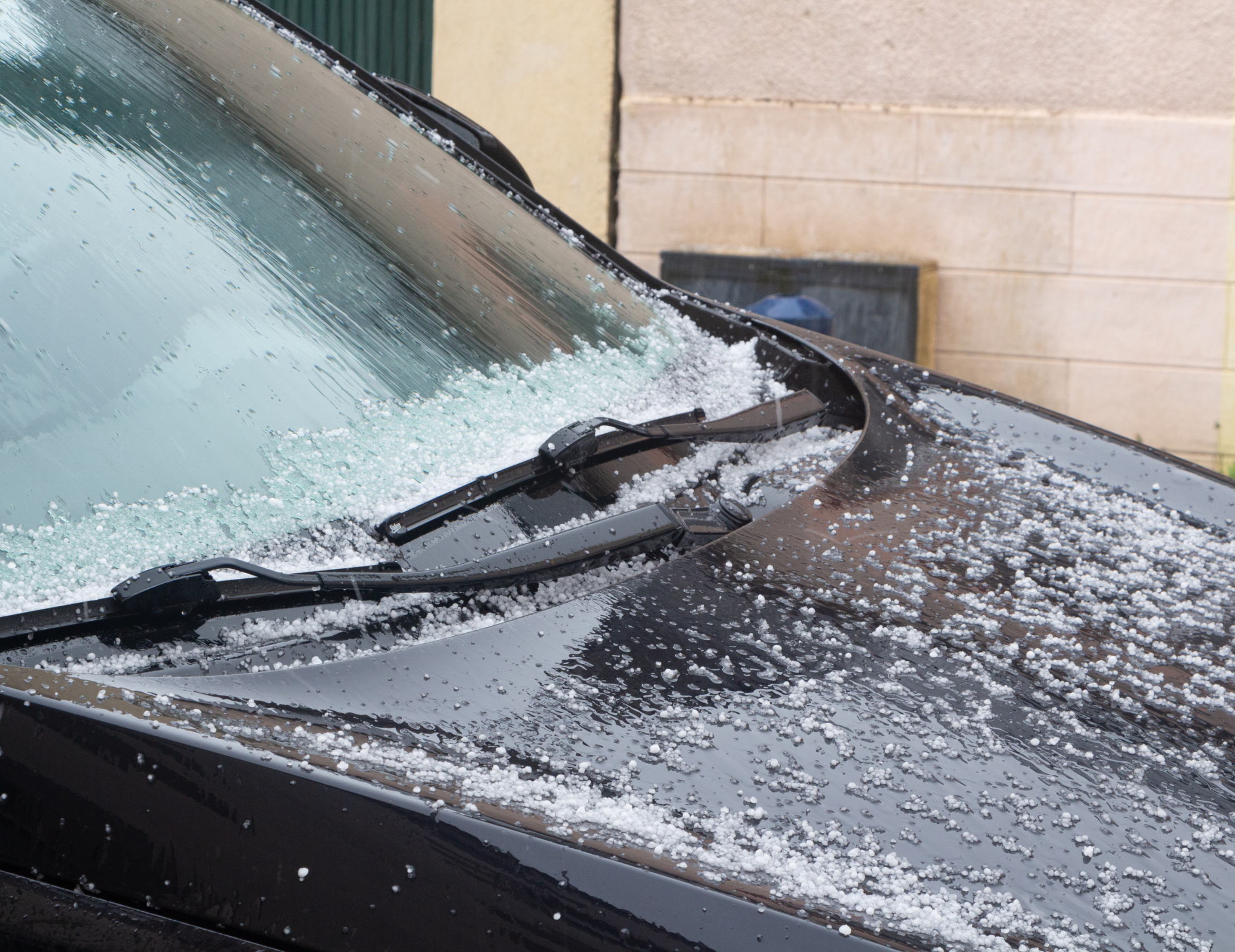
Your car’s paint is more than just a way to make the vehicle look good. It serves as a vital protective layer between the bodywork and the outside world. However, constant exposure to the sun, heat, rain, humidity, dust, hail and other environmental contaminants can slowly take a toll on the look and condition.
Car paint and weather in australia is especially important for drivers in australia. Over time, strong UV exposure, changing temperatures and harsh weather conditions can all contribute to fading, oxidation, dullness, staining, scratches and other forms of automotive paint damage.
The good news is that by consistently maintaining and catching paint problems early, you can help to prolong the life of your vehicle’s finish. If the weather has already caused visible damage, professional car paint repair and weather damage repair can restore the exterior.
How Does Weather Affect Car Paint?
Weather affects car paint in different ways. UV rays can cause fading and oxidation, and heat can accelerate the ageing of the paint surface. Rain and moisture can leave water spots and contaminants on the surface. Severe storms and hail can cause dents, scratches and more serious body damage.
Usually the impact is gradual. A vehicle parked outside for long periods with little protection will normally be subjected to more environmental stress than one parked under cover on a regular basis, washed correctly and maintained.
In Australia the harsh combination of intense sunlight, heat and dust can be especially tough on vehicle paintwork. RACV recommends protecting the exterior with undercover parking and regular washing to remove dirt and other contaminants.
1. UV Rays Can Fade and Weaken Car Paint
One of the most significant environmental dangers to your car’s paint is long-term exposure to ultraviolet radiation.
Ultraviolet exposure can over time break down the protective elements of the paint system. This can result in a loss of colour vibrancy and the finish can look dull or chalky. The effect of fading is particularly noticeable with dark colours.
That’s why car paint fading due to sun exposure is a common concern especially in Australia’s climate.
If your vehicle is parked outdoors most of the time, especially in direct sunlight, then your paint is under siege from UV constantly. Garage or carport parking can reduce that exposure and help preserve the finish longer.
What Does UV Damage to Car Paint Look Like?
Common signs of UV damage include:
- Faded or uneven colour
- Dull-looking clear coat
- Loss of gloss
- Oxidised or chalky paint
- Noticeable difference between exposed and protected areas
- Peeling or deteriorating clear coat in more advanced cases
Once paint has become severely oxidised or the clear coat has failed, simple washing may not restore its original appearance. Professional paint correction, restoration or repainting may be required depending on the condition.
2. Heat Can Accelerate Paint Deterioration
High temperatures aren’t just uncomfortable to be in for your car. The exterior finish can also age with repeated exposure to intense heat.
If the car is parked in direct sunlight, the outside surfaces of a car can be much hotter than the surrounding air. Repeated heating and cooling cycles further stress the automotive paint and clear-coat systems.
Heat also synergizes with UV exposure. Better to consider sunlight and temperature as two facets of an environmental factor that may combine to accelerate exterior ageing – rather than as two separate problems.
So one of the first steps to protecting car paint in Australia is something simple: avoid unnecessary exposure to direct sunlight whenever possible.
3. Rain and Moisture Can Leave Paint Contaminated
Rain itself likely will not damage your car’s paint, but the contaminants that rain water carries and leaves behind when it dries can lead to paint problems.
Water spots occur when moisture evaporates and deposits minerals or contaminants on the surface. If they stay for a long time, these marks can be harder and harder to get rid of.
Rain can also mix with the grime, dust, pollution and other contaminants already on the road and cover the entire vehicle in a dirty film.
This is the reason why rain damage to car paint is often more about prolonged exposure to moisture and contaminants than the water itself.
Regular washing will help eliminate these contaminants before they have a chance to affect the finish any more.
4. Humidity Can Increase Moisture-Related Problems
Humidity means there is more moisture in the air that surrounds us . Moisture that is allowed to remain, along with dirt, scratches, chips or exposed areas of a vehicle’s bodywork can cause corrosion issues.
A good paint system is a very important barrier between the metal panels of the vehicle and the environment. If that surface gets damaged, then moisture can get to places that should be protected.
A little scratch may look like just a cosmetic issue at first, but deeper damage that reveals the material beneath should not just be overlooked.
If you notice bubbling paint, rust-colored marks or corrosion around a damaged area it is worth having the condition assessed by a professional.
5. Hail and Severe Weather Can Cause Immediate Damage
Unlike UV exposure or humidity, hail can destroy your vehicle in minutes.
Hailstones can leave dents on the bonnet, roof, boot, doors and other exposed panels. Damage can vary from minor shallow dents to severe panel deformation, depending on the intensity of the storm.
South East Collision Centre offers storm and hail damage repair including dent repair from severe weather. For appropriate minor damage, its website also provides roof repair and paintless dent removal.
Can Hail Damage Be Repaired Without Repainting?
In some situations, yes.
If the paint surface remains intact and the dent is suitable, Paintless Dent Removal (PDR) may be an option. PDR can remove certain dents without sanding, filling or repainting, helping retain the vehicle’s original paintwork.
However, not every hail dent is suitable for PDR. The location, depth, size and condition of the paint all need to be considered.
6. Road Dust, Dirt and Environmental Contaminants Add to Paint Wear
Weather just doesn’t work solo. The paint on your car is also exposed to dust, dirt, road grime, tree sap, bird droppings and other contaminants.
If left on the surface these substances can affect the appearance of the finish and become more difficult to remove.
Special attention should be paid to bird droppings and tree sap as these should be removed quickly, not allowed to sit on the paint.
Some of these contaminants can be washed away regularly with the right automotive products before they build up.
What Is the Best Way to Protect Your Car Paint From Weather?
The best way is regular preventative maintenance and early repairs when damage occurs.
Park Undercover Where Possible
A garage or carport can reduce the exposure to direct sunlight, rain and hail. Partial protection can be useful, even if a vehicle will otherwise be outside for long periods.
If there is no undercover parking, consider where you park. Watch for obvious hazards such as overhanging branches or areas where bird droppings and tree sap are prevalent.
Wash Your Car Regularly
Regular washing gets rid of dirt, grime, road contaminants and other substances that can stay on the paint.
Use products that are intended for automotive paintwork and do not scrub hard or use abrasive cleaning methods that can cause fine scratches.
RACV recommends regular washing and drying to help maintain the paintwork and reduce the build-up of contaminants.
Dry the Vehicle Properly
Allowing water to dry naturally on the vehicle can leave mineral deposits and water spots, particularly when the water contains contaminants.
After washing, use a clean, suitable microfiber towel and dry the vehicle carefully.
Consider Paint Protection
Depending on your vehicle and how you use it, products such as waxes, paint sealants, ceramic coatings or paint protection film may offer an extra layer of protection.
Which is best depends on your vehicle, your budget, the driving conditions and how much protection you want.
The important thing to remember is that paint protection does not make a vehicle immune from weather damage. It is an added layer of protection, but not a replacement for regular cleaning and maintenance.
How Can You Tell If Weather Has Damaged Your Car’s Paint?
Some weather-related paint damage is easy to recognise, while other problems develop slowly.
Look for:
- Fading or colour changes
- Dull or cloudy paint
- Peeling or failing clear coat
- Water spots that won’t disappear after normal washing
- Surface staining
- Rust or corrosion around scratches
- Hail dents
- Cracked or damaged paint
- Small chips that expose the underlying surface
If the condition is getting worse or ordinary cleaning no longer improves the appearance, professional assessment is recommended.
Can Weather Damage Lead to Rust?
Yes, particularly if weather exposure gets into areas where the protective paint system has already been damaged.
The material underneath can be exposed by a deep scratch, stone chip or dent. Corrosion can occur if moisture continues to reach the damaged area.
That’s why it is better to address the automotive paint damage early rather than waiting until the affected area is significantly worse.
RACV also recommends having deep scratches and rust damage repaired as soon as possible, especially after being exposed to tough winter conditions.
Weather Damage vs Collision Damage: What’s the Difference?
Not all exterior damage has the same cause or requires the same repair approach.
Type of Damage | Common Cause | Possible Repair |
Faded paint | UV exposure and ageing | Paint correction or repainting |
Water spots | Moisture and mineral deposits | Cleaning, polishing or paint correction |
Hail dents | Storm or hail | PDR or panel repair |
Deep scratches | Road debris, branches or accidents | Paint repair or panel repair |
Peeling clear coat | Age, UV exposure or paint deterioration | Refinishing or repainting |
Rust around damage | Moisture reaching exposed material | Corrosion treatment and refinishing |
Collision scratches/dents | Accident or impact | Panel repair, dent repair and paint matching |
The appropriate repair depends on the severity and location of the damage. A professional inspection can help determine whether the problem is cosmetic, structural or likely to worsen if left untreated.
When Should You Get Professional Car Paint Repair?
You should consider professional car paint repair when damage goes beyond normal surface contamination or cleaning.
For example, if you notice peeling clear coat, deep scratches, exposed metal, significant fading, hail damage or paint damage following an accident, professional repair may provide a better long-term result than attempting to cover the problem yourself.
Professional refinishing can also be important when colour matching is required. South East Collision Centre provides spray painting and collision-related paint repair, including colour matching and blending for suitable repairs.
How South East Collision Centre Can Help With Weather-Related Paint Damage
Weather damage doesn’t mean you have to repaint the whole thing. The right repair depends on what has happened to the car.
South East Collision Centre is a smash repair and vehicle restoration workshop based in Clyde North. Services include spray painting, paintless dent removal, storm and hail damage repair, roof repair and other accident related body repairs.
If your car has been affected by hail, bad weather, scratches, dents or paint damage an assessment can help to determine the best way to repair it.
Plus, the workshop offers insurance repair assistance and can walk customers through the repair process when damage is being handled through insurance.
Drivers looking for car paint repair Clyde North, weather damage repair Clyde North or smash repair Clyde North can benefit from the early damage assessment to avoid a relatively small exterior problem becoming more difficult to repair.
Frequently Asked Questions
How does weather affect car paint?
Weather Weather can affect car paint through UV exposure heat moisture rain humidity hail and environmental contaminants. Over time these factors can cause fading, oxidation, water spots, staining, scratching and other paint deterioration.
Does the sun damage car paint?
Yes. Long-term UV exposure can contribute to fading, loss of gloss and deterioration of the paint and clear coat. Parking undercover and maintaining the exterior can help reduce unnecessary exposure.
Does rain damage car paint?
Rain itself is not typically the main issue. Minerals, dirt and other contaminants left behind when water dries can lead to staining and surface deterioration. It is important to wash regularly to keep the paint clean.
Can humidity cause car paint problems?
Moisture can also cause corrosion if the paint is already chipped, scratched or damaged. Keeping damaged areas repaired properly will help to maintain the protective barrier around the bodywork of the vehicle.
Can hail damage be repaired without repainting?
Sometimes. Suitable shallow dents with intact paint may be repairable using Paintless Dent Removal. The repair method depends on the size, depth, location and condition of the damage.
How can I protect my car paint from Australian weather?
Park undercover whenever possible, wash your vehicle regularly, remove contaminants promptly, dry the exterior after washing and consider suitable paint protection. Repair scratches, chips and dents before they worsen.
When should I repair weather-damaged car paint?
If you notice any peeling, deep scratches, exposed material, rust, significant fading, hail dents or paint damage that is getting worse, get it evaluated by professionals before it gets worse.
Is weather damage covered by car insurance?
Insurance coverage varies based on your policy, the type of weather event and your individual circumstances. If your vehicle has storm or hail damage, review your policy and contact your insurer before scheduling repairs.
Final Thoughts
Your car paint is always exposed to the elements, and the combination of strong sunlight, heat, rain and changing weather in Australia can take its toll over time. The secret to making car paint last longer is not to wait until the finish is badly damaged.
Regular cleaning, sensible parking, appropriate paint protection and prompt attention to scratches, dents and corrosion can preserve the exterior of the vehicle.
And when extreme weather causes damage, a professional assessment can determine if the vehicle needs Paintless Dent Removal, panel repairs, spray painting, paint restoration or another repair solution.
If your vehicle has suffered hail, storm, paint or collision damage in Clyde North or Melbourne’s south-east, South East Collision Centre can assess the damage and advise on the correct repair pathway.