
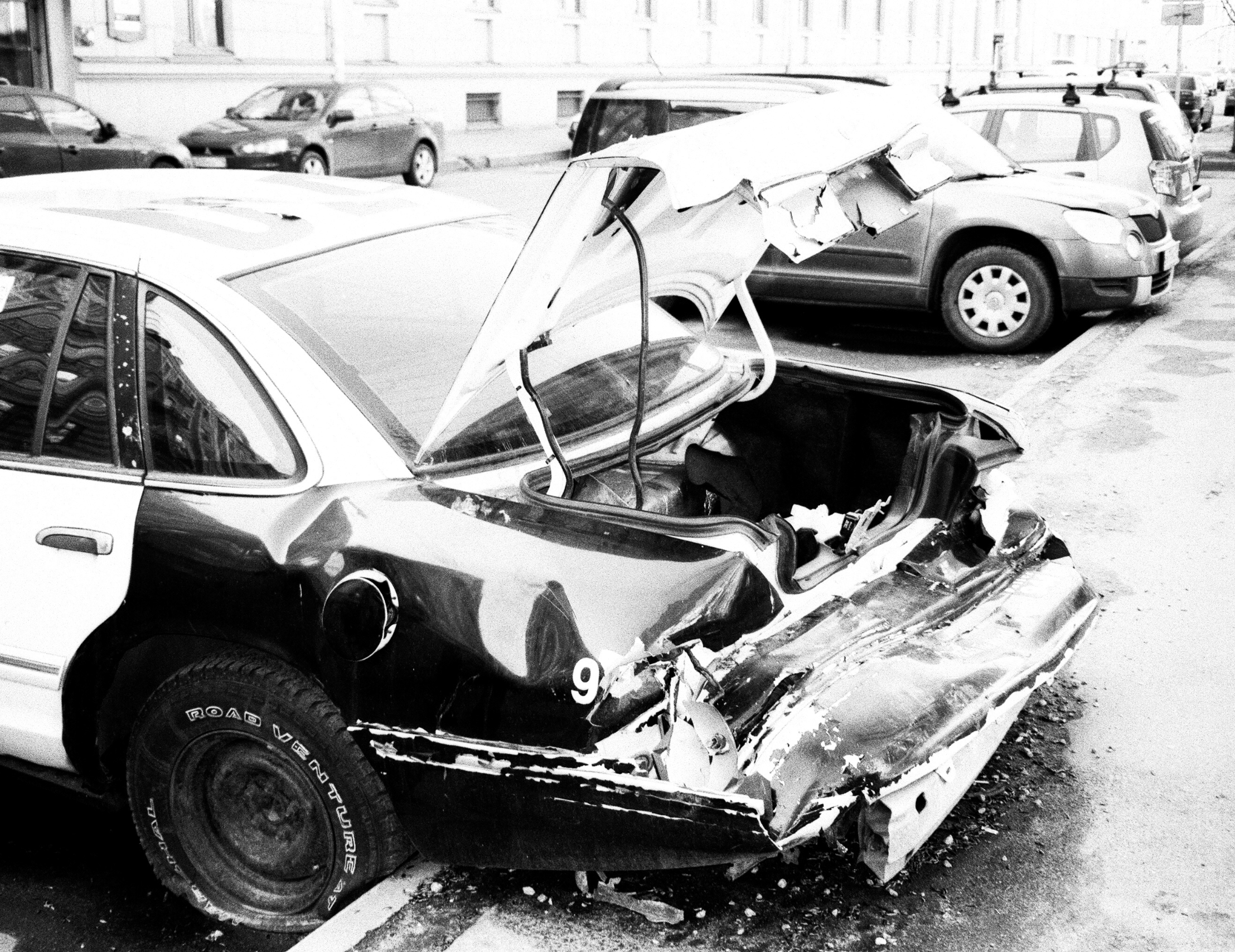
A car can look fairly normal after a crash, but still have problems underneath the surface.
One area that can be affected is the vehicle’s wheel alignment and suspension. Even a minor impact to a wheel, bumper, side panel or suspension area can have an effect on the way the vehicle steers, handles or sits on the road.
So, can a crash impact wheel alignment and suspension? Yup. An impact can damage suspension components, steering components, wheels or other parts affecting alignment. Warning signs include the car pulling to one side, an off-centre steering wheel, uneven tyre wear, vibrations, unusual noises or changes in handling.
If you discover your car was in an accident, a professional collision damage inspection can help determine whether the problem is cosmetic or whether components underneath the car have also been affected.
Why Can a Collision Affect Wheel Alignment?
Wheel alignment refers to the position and angles of your wheels in relation to the vehicle and to each other.
These settings are important because they affect how the car tracks, steers and wears its tyres.
During a collision, the impact can pass through the wheel, tyre, steering or suspension. Depending on the area of impact and the force of impact, parts can become bent, misaligned or damaged.
A visibly damaged wheel on a vehicle does not necessarily mean that alignment will be affected.
For example a collision close to a wheel arch could affect suspension or steering components whilst the most obvious damage appears to be a damaged bumper or body panel.
South East Collision Centre advises that hidden collision damage can involve suspension components, wheel alignment and steering components even when the most visible damage is in another area.
What Are the Signs of Wheel Alignment Problems After an Accident?
The symptoms aren’t always immediate, which is why it’s important to pay attention to how your vehicle feels after a collision.
Your Car Pulls to One Side
If you feel the car pulling left or right when you’re trying to drive straight it could be an issue with your alignment or steering.
But pulling can be caused by a number of things, e.g. different tyre pressures and damage to components. Without an inspection it shouldn’t be assumed to be an alignment problem.
The Steering Wheel Is Off-Centre
If your steering wheel isn’t centred when driving straight, this could mean the vehicle needs an alignment or steering geometry check.
After an accident, a steering wheel that is out of alignment is not just a cosmetic problem.
Uneven Tyre Wear
Check your tyres after a collision, particularly if the impact was near a wheel.
Uneven or unusual tyre wear can indicate that the wheels aren’t sitting correctly or that another steering or suspension component has been affected.
The Car Vibrates
Any new vibrations after an accident should be investigated.
Depending on the speed or braking you may feel some vibration through the steering wheel, floor or body of the vehicle. The cause can be anything and it is important to have a professional diagnosis rather than assume that alignment is the only problem.
The Vehicle Handles Differently
Perhaps the most obvious sign is that the car simply doesn’t feel the same.
You may notice changes in steering response, cornering, braking or general stability.
South East Collision Centre’s existing guidance identifies changes in steering response, vibration, unusual handling and reduced stability as potential signs that a vehicle needs further inspection after an accident.
What Suspension Damage Can Happen After a Collision?
The suspension system consists of several components that function together to maintain vehicle stability and enable proper wheel response to the road.
Where the impact was, and how bad, determines which parts are at risk.
Suspension arms, mounting points, struts or shock absorbers and other associated components can be potentially affected.
A wheel impact can really hammer the suspension. A side impact near a wheel arch might also impact suspension and alignment. A front end impact might transfer force through steering and suspension components.
That’s why the visible panel alone is sometimes not enough to repair.
The vehicle should be evaluated depending on the type and location of the collision.
Signs of Suspension Damage After an Accident
Suspension problems can sometimes be easier to notice while driving than when looking at the vehicle from outside.
Watch for changes such as:
- unusual knocking or clunking sounds
- excessive bouncing
- new vibrations
- uneven tyre wear
- changes in steering response
- the vehicle sitting unevenly
- unusual handling around corners
- the car pulling to one side
Not all of these symptoms mean the suspension is broken. Tyres, wheels, brakes, steering and other components can cause similar symptoms.
That’s why proper inspection is so important.
Can a Minor Accident Cause Suspension Damage?
Yes, it can be.
A collision doesn’t have to cause major visible body damage before an underlying component is affected.
For example, a hit on a wheel, kerb or wheel arch can potentially transfer force into steering and suspension components.
Likewise, a bumper might look like the big problem after a low-speed collision when parts behind it need more inspection.
That doesn’t mean suspension damage occurs with every little accident. The extent depends on the impact, the vehicle and the components involved.
If you have new symptoms or can see damage around the affected area, the safest bet is to get the vehicle looked at.
Wheel Alignment vs Suspension Damage: What’s the Difference?
These two issues are related, but they are not identical.
Wheel alignment is the angles and position of the wheels.
Suspension Damage Suspension damage is the physical damage or wear of the components that support the vehicle and control wheel movement.
Suspension damage can be caused by collision , and then affect wheel alignment .
For example, if a suspension component is bent in an accident, fixing the alignment may not fix the underlying problem.
Wheel Alignment Issue | Suspension Damage |
Incorrect wheel angles | Physical component damage |
May cause uneven tyre wear | May affect handling and stability |
Can cause pulling | Can cause noises or vibrations |
Steering wheel may sit off-centre | Vehicle may sit or respond differently |
May require alignment adjustment | May require repair or component replacement |
This is why a proper inspection should come before assuming that an alignment adjustment is all the vehicle needs.
Should You Get a Wheel Alignment After an Accident?
If your car has been hit near a wheel, steering or suspension, it’s a good idea to have the relevant systems checked.
Whether an alignment check is appropriate and if any underlying components need to be dealt with first can be determined by a professional technician.
An alignment reading can be telling, but it can’t substitute for a more thorough collision inspection when there’s a possibility of hidden damage.
South East Collision Centre‘s approach to collision repairs involves checking alignment and inspecting hidden damage when necessary as part of the repair process.
What Happens During a Collision Damage Inspection?
A proper assessment goes beyond looking at the dents and scratches.
The process can start with a visual inspection to identify obvious impact damage and signs that panels, wheels or components have moved.
Depending on the accident, further inspection may be required to check steering, suspension, wheel and alignment-related components.
In some cases, damaged panels need to be removed to expose components that cannot be assessed from outside the vehicle.
South East Collision Centre explains that its repair process includes a detailed damage assessment and, when necessary, strip-down and inspection for hidden damage before repairs continue.
This approach is particularly important when the vehicle doesn’t drive the same way it did before the accident.
Why You Shouldn’t Ignore Alignment or Suspension Problems
If the vehicle still starts, moves and seems to be mostly normal, it can be tempting to keep on driving.
But If there are problems with steering, suspension or wheels, the way the vehicle drives can change.
Don’t ignore a vehicle that pulls unexpectedly, vibrates, steers differently or has damaged suspension components.
It can also lead to abnormal tyre wear or allow an underlying problem to go undetected if the problem is not properly resolved.
If your vehicle feels different after the crash, it’s better to get it checked out by a professional rather than waiting for the symptoms to get worse.
Can Wheel Alignment Be Fixed Without Replacing Suspension Parts?
If the car still starts, moves and seems mostly normal, it can be tempting to just keep driving.
But if there are problems with steering, suspension or wheels the vehicle might drive differently.
Don’t ignore a vehicle that pulls suddenly, vibrates, steers differently or has damaged suspension parts.
If the problem isn’t corrected properly it can lead to abnormal tyre wear or an underlying problem going undetected.
If you feel that your vehicle is acting differently after the crash, it is better to have it checked out by a professional instead of waiting for the symptoms to worsen.
What About Tyres After a Collision?
You should also have your tyres checked after an accident, particularly if a wheel has been struck.
Look for visible signs of damage, such as cuts, bulges, or unusual wear. Sometimes a tyre will appear acceptable at first glance but the impact has affected the wheel or associated components.
If the accident has caused the car to develop changes in the steering, vibration or unusual tyre wear, declare these symptoms at the time of inspection.
This allows the technician to assess the tyres alongside the wheels, steering and suspension rather than tackling each symptom in isolation.
Wheel Alignment After Front, Rear and Side Collisions
The area of impact can influence which parts need to be inspected.
Front-End Collision
A front impact can potentially involve steering, suspension, wheels, tyres and components behind the bumper or front panels.
South East Collision Centre provides front-end collision repairs and assesses affected components as part of its repair process.
Rear-End Collision
Rear-end damage isn’t limited to the rear bumper.
Depending on the impact, the inspection may need to consider the rear panels, bumper components, mounting points and alignment-related areas.
Side-Impact Collision
A side impact near a wheel arch can potentially affect the wheel, tyre, suspension and alignment.
South East Collision Centre’s side-impact repair guidance specifically identifies wheel alignment and suspension issues as potential concerns when the impact occurs near a wheel arch.
How Long Does It Take to Repair Alignment or Suspension Damage?
There is no fixed repair time.
If nothing is broken then it could be as simple as an alignment adjustment .
Suspension repairs can take longer if components need to be diagnosed, repaired or replaced. Hidden damage found once panels are removed or the need to source replacement parts can also prolong collision repair times.
The approval and full damage assessment for insurance repairs can also influence the overall repair time.
South East Collision Centre repair process assessment, insurer approval where applicable, repair work and final quality checks before handover.
What Should You Do If Your Car Pulls to One Side After an Accident?
Don’t assume it only needs a wheel alignment.
A car veering to one side can be caused by a number of factors including tyre pressure, tyre condition, or issues with the alignment, steering and suspension.
If the behaviour began following a collision, tell the repairer exactly when you noticed it and whether it occurs on acceleration, braking or at a certain speed.
That information can help technicians troubleshoot the problem more efficiently.
A Simple Post-Collision Checklist
Before considering your vehicle fully back to normal, pay attention to:
What to Check | Warning Sign |
Steering | Wheel feels different or sits off-centre |
Direction | Car pulls left or right |
Tyres | Uneven or unusual wear |
Wheels | Visible damage |
Suspension | Knocking, clunking or unusual movement |
Driving | New vibration or instability |
Braking | Vehicle behaves differently while braking |
Dashboard | New warning lights |
Handling | Vehicle feels different around corners |
If you notice any of these after an accident, tell your repairer rather than assuming the issue will disappear.
When Should You Get Your Car Inspected After a Collision?
You should arrange for an assessment if you can see any visible damage from a collision, the vehicle is driving differently or you are concerned the impact may have affected safety-related components.
If you see:Pay close attention
Car pulls to one side. Steering wheel not centred. New vibrations. Strange noises from the suspension. Uneven tyre wear or change in handling.
These symptoms aren’t definitive evidence of a specific fault, but they are good reasons to have the vehicle checked.
Wheel Alignment & Suspension Repair in Clyde North
If your vehicle has been in a collision and you’re experiencing steering, suspension or alignment issues, South East Collision Centre can evaluate the damage as part of the collision repair process.
The Clyde North workshop repairs collision damage, including front end, rear end and side impact damage, and follows a process that includes damage assessment, hidden damage inspection where required, repairs, reassembly and final quality checks.
South East Collision Centre also helps you through the insurance and repair process and can provide a replacement vehicle where applicable.
Don’t ignore it if you don’t feel the same after an accident. Have the damage properly assessed.
Request a Smash Repair Assessment →
Frequently Asked Questions
Can a car accident affect wheel alignment?
Yes. A collision can affect wheel alignment by damaging or moving steering, suspension, wheel or related components. The vehicle should be assessed if alignment symptoms appear after an accident.
How do I know if my suspension is damaged after an accident?
Common warning signs can include unusual noises, vibrations, changes in handling, uneven tyre wear, pulling to one side or changes in steering response. These symptoms can have different causes, so professional inspection is recommended.
Why is my car pulling to one side after an accident?
Possible causes include incorrect wheel alignment, tyre issues or damage to steering and suspension components. An inspection is needed to identify the actual cause.
Why is my steering wheel crooked after a collision?
An off-centre steering wheel can indicate an alignment or steering-related issue. If it appeared after an accident, the vehicle should be inspected rather than assuming it only needs an alignment adjustment.
Can a bumper accident damage suspension?
It can, depending on where and how the impact occurred. Components behind visible body damage can sometimes be affected, which is why collision inspections may include checking hidden components.
Do I need a wheel alignment after hitting a kerb during an accident?
If the impact was strong enough to affect a wheel, tyre, steering or suspension component, an alignment check may be appropriate. A technician should first assess whether any components have been damaged.
Can hidden suspension damage be found during a smash repair?
Yes. During a collision repair, panels and components may be removed to expose areas that cannot be properly inspected from outside. South East Collision Centre includes hidden-damage assessment in its repair process when required.
Where can I get collision damage assessed in Clyde North?
South East Collision Centre provides collision repair and damage assessment services from its Clyde North workshop.
Final Thoughts
Collision doesn’t always result in visible damage.
Your vehicle may have a repaired bumper and fresh paint, but still need work done on its wheel alignment, suspension, steering, wheels or tyres.
That’s why you shouldn’t ignore changes in the way your vehicle drives after an accident.
If your car is pulling to one side, the steering wheel is no longer centred, the tyres are wearing unevenly or you’re hearing new suspension noises, book a professional inspection.
A proper collision assessment isn’t just making the car look right. It’s about getting it to drive right, too.
Need Your Vehicle Checked After a Collision? Contact South East Collision Centre.