
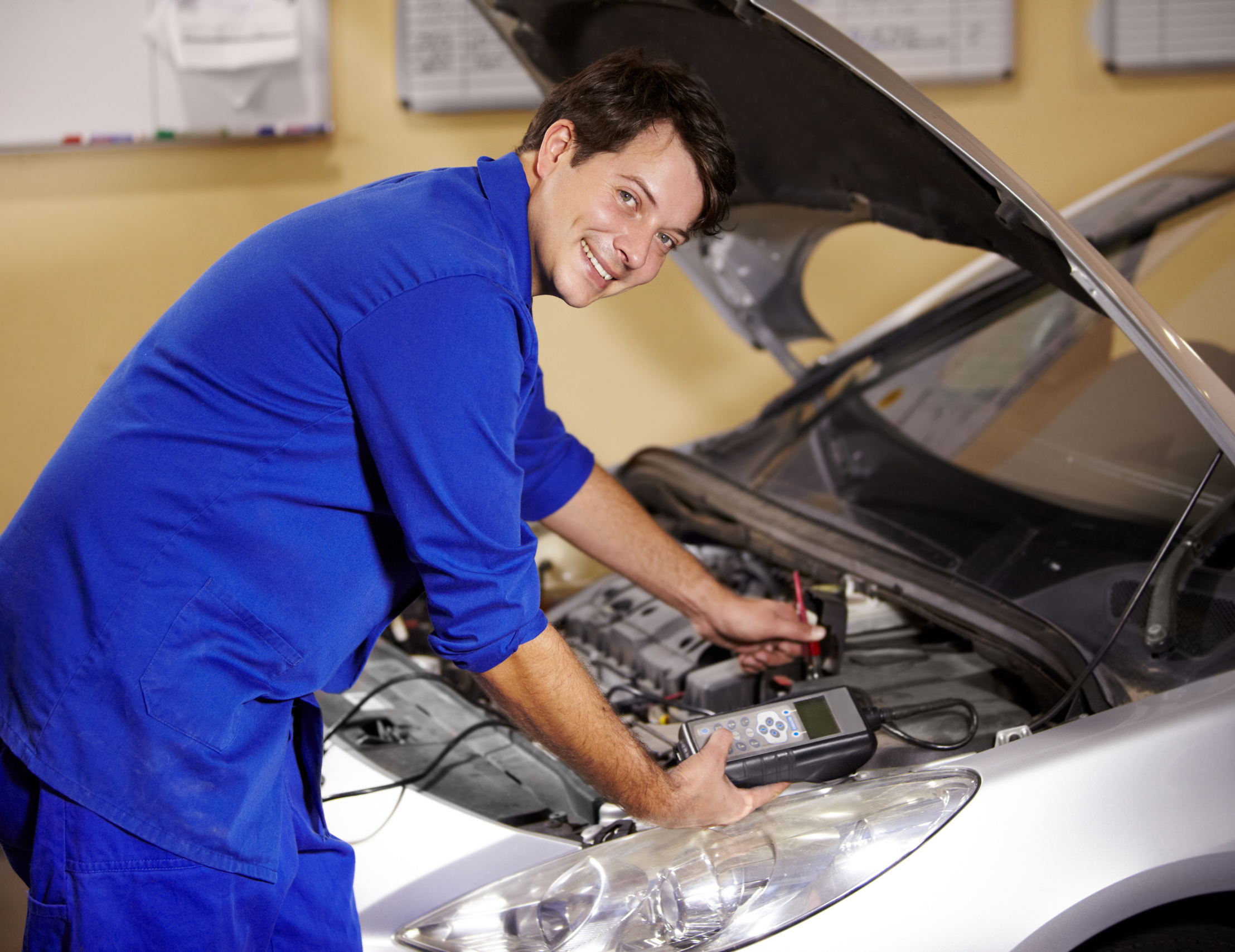
Getting your car back after a smash repair can be a relief, especially after the accident and the repair process. But before you drive away, it pays to take a few minutes to check out your vehicle and make sure everything looks and works as it should.
The correct inspection after repair is not about looking for faults in all the parts of the vehicle. It’s about confirming that the repaired areas, the paintwork, panels, lights, safety features and other parts seem to be in good order. If your vehicle has had panel beating, bumper repair, spray painting, collision repair or major accident repairs a quick inspection can give you greater confidence before you return to the road.
What Should You Check After a Car Repair?
After collecting your vehicle, start with the areas that were directly affected by the accident. Look at the repaired panels, paintwork and bumper, then check the lights, doors, windows and other components that may have been removed or refitted during the repair.
It is also important to start the vehicle and check the dashboard for unexpected warning lights. If your vehicle has parking sensors, cameras or other driver-assistance technology, make sure these systems are operating normally where applicable.
Quick Post-Repair Inspection
Area | What to Check |
Repaired panels | Alignment, panel gaps and visible damage |
Paintwork | Colour, gloss and overall finish |
Bumper | Secure fitting and correct alignment |
Lights | Headlights, indicators and brake lights |
Doors and boot | Opening, closing and locking |
Windows and mirrors | Operation and correct fitting |
Dashboard | Unexpected warning lights |
Sensors and cameras | Correct operation where applicable |
Driving | Steering, braking, vibrations and unusual noises |
Interior | Trim, seats, belts and any repaired areas |
Documentation | Repair details and warranty information |
1. Check the Repaired Panels
Start by looking closely at the panels that have been repaired. Walk a few steps back from the vehicle and look at the repaired area from different angles. The repaired panel must have uniform gaps and straight body lines that match the surrounding bodywork.
Look carefully for anything that looks out of place with the other panels. Discuss with the repairer any panel that sits too high or too low, any uneven gap or any body line that doesn’t match.
Professional smash repair is more than just improving visible damage. Proper panel alignment and reassembly is critical to putting the vehicle back together after an accident.
Panel Inspection: What Looks Right vs What Needs Attention
Looks Correct | Worth Asking About |
Even panel gaps | Noticeably uneven gaps |
Panel sits flush | Panel sticks out or sits too far in |
Body lines match | Body lines do not line up |
Trim is secure | Loose or incorrectly fitted trim |
Surface appears smooth | Remaining dents or distortion |
If something does not look consistent with the surrounding bodywork, raise it with the repairer before leaving.
2. Inspect the Paintwork
Paintwork is one of the easiest areas to check after a car accident repair. Then walk around the vehicle and look at the repaired area under good light. If you can, check the vehicle in natural daylight as colour and finish differences can be hard to see under artificial lighting.
The repaired paint should be of a matching colour and finish with the surrounding panels. Look for obvious colour differences, patchy areas, scratches, runs in the paint, overspray, rough patches or gloss variations.
To spray paint a car properly you have to prepare the surface and match the colour so the area you are repairing blends properly into the existing finish on the vehicle.
What Good Paintwork Should Look Like
Check | Expected Result |
Colour | Consistent with surrounding panels |
Gloss | Similar level of shine |
Surface | Smooth and even |
Edges | No obvious paint lines |
Finish | No obvious visible defects |
If you notice a significant difference in colour or finish, ask the repairer to inspect the area.
3. Check the Bumper and Other Repaired Parts
If your vehicle has had bumper repair or a bumper replacement, take a close look at the bumper before leaving. From a distance, a bumper may appear fine, but closer inspection can reveal alignment or fitting issues.
Check that the bumper sits evenly against the surrounding panels and that there are no obvious gaps or loose sections. If the bumper contains parking sensors, cameras or other technology, these components should also be checked where applicable.
If anything looks loose, incorrectly positioned or different from the surrounding bodywork, ask the repairer to take another look.
4. Test the Vehicle’s Lights
If your car’s bumper has been repaired or replaced, inspect it well before you leave. From a distance a bumper can look ok but a closer inspection can reveal alignment or fitting issues.
Make sure the bumper is flush with the surrounding panels and there are no visible gaps or loose bits. If the bumper has parking sensors, cameras or other technology, these elements should also be checked where relevant.
If anything appears loose, misplaced or different to the surrounding bodywork, get the repairer to take another look.
5. Open and Close the Doors, Bonnet and Boot
If the accident was with a door, bonnet, boot or adjacent panel, inspect each affected area closely. Open and close the doors, bonnet and boot to check that they operate smoothly and are correctly aligned when shut.
The doors must not be difficult to open and close and the bonnet and boot should be able to close securely. If the locks, handles and windows were involved in the repair also, check them.
Correct panel alignment is especially important in places like doors, bonnets and boots. Uneven gaps or rubbing indicate more adjustment is necessary.
6. Check the Mirrors, Windows and Trim
If a mirror, window, door seal or interior trim was removed during the repair, ensure that everything has been correctly refitted.
Test the bad windows and adjust the mirrors to ensure they work properly. Look for loose trim, improperly fitted mouldings or panels that do not seem secure in the repaired area.
While these details may seem small, it can be easier to address any concerns immediately if you check them before leaving the repair centre.
7. Look for Dashboard Warning Lights
Start the car and check the dash before you pull away. When you start the vehicle, some warning lights will flash for a moment as part of a normal check of the systems. The crucial thing now is whether a surprise warning light remains on.
Watch for warnings about airbags, ABS, steering, parking sensors, driver-assistance systems or other safety features.
If a warning light continues to be on after the repair, do not assume that it is not related to the accident. Ask the repairman and tell him to have a look at it before you go.
8. Check Parking Sensors, Cameras and ADAS
Modern vehicles can have technology integrated into bumpers and other body panels. Depending on the vehicle, this may include parking sensors, reversing cameras, front cameras, radar sensors and other ADAS components.
After a bumper or front-end repair, these systems may require inspection, testing or calibration depending on the vehicle and the work performed. South East Collision Centre’s ADAS repair process includes pre-repair scanning and post-repair calibration checks where applicable.
If your vehicle has advanced safety technology, ask the repairer whether any scanning or calibration was required as part of the repair.
Feature | What to Check |
Reversing camera | Clear image and normal operation |
Parking sensors | Correct detection |
Dashboard | No unexpected sensor warnings |
ADAS | No unexplained alerts |
Camera systems | Correct display and operation |
9. Listen for Unusual Sounds
If the repairer confirms that the vehicle is ready and safe to drive, pay attention to how it sounds during a short test drive. Listen for noises that were not present before the accident.
Rattling, knocking, scraping, squeaking, unusual vibrations or new wind and tyre noise are worth mentioning to the repairer. A new sound does not automatically mean there is a problem with the repair, but it should not be ignored either.
South East Collision Centre’s guidance on hidden accident damage highlights unusual sounds, vibrations and changes in vehicle behaviour as signs that may require further inspection.
10. Pay Attention to How the Car Drives
A vehicle can look perfect after a repair and still require attention if its driving behaviour has changed.
During a safe test drive, notice whether the steering feels normal and whether the vehicle tracks straight. Pay attention to unusual vibrations, braking changes, pulling to one side or noises that were not present before the accident.
If the vehicle feels unsafe or significantly different, do not continue driving it. Contact the repairer and arrange an inspection.
11. Check the Tyres and Wheels
If the collision involved the front, rear or side of the vehicle, it is worth checking the tyres and wheels as part of your post-repair inspection.
Look for any visible damage, and listen for any new vibration, steering change or unusual tyre behaviour. Sometimes collision damage can affect areas around the wheels, suspension or alignment.
If you notice any changes in the way your vehicle drives after accident repair, have it inspected professionally instead of assuming that it will correct itself.
12. Check the Interior
Do not focus only on the exterior of the vehicle. If the repair involved doors, airbags, windows or interior trim, inspect the cabin before leaving.
Check that the seats, seat belts and affected interior trim are correctly fitted. Look for loose panels, damaged trim, scratches, stains or other issues that were not present when you dropped the vehicle off.
A quick interior inspection is especially useful when technicians needed to remove interior components during the repair.
13. Review Your Repair Documentation
Before leaving, make sure you receive the relevant documentation for your repair. Depending on the type of repair, this may include the repair invoice, insurance documentation, warranty information, repair details and calibration information where applicable.
Keep these documents in a safe place. They can be useful if you need to discuss the repair later or provide information about the vehicle’s repair history.
14. Ask About the Repair Warranty
Before you leave the repair centre, ask what warranty is covered by the completed work. You can enjoy more peace of mind if you know the warranty if you find an issue down the road related to repair.
South East Collision Centre offers a lifetime workmanship guaranty on all repairs. Please check with the repair centre to confirm the terms and conditions that apply to your repair.
What If You Notice a Problem After Collecting Your Car?
If you notice an issue after leaving the repair centre, document what you have found and contact the repairer as soon as possible.
For cosmetic concerns such as paint imperfections, small scratches, an uneven finish or panel alignment issues, contact the repairer and ask them to inspect the affected area.
If the problem affects driving or safety, such as steering problems, brake concerns, warning lights, major vibrations, airbag warnings or serious sensor issues, do not ignore it. If the vehicle appears unsafe to drive, stop driving and seek professional assistance.
Post-Repair Inspection vs Regular Car Inspection
A post repair inspection is not the same as a vehicle inspection. A post repair inspection is specific to the area of the last repair while a general vehicle inspection is more of a general nature and looks at the overall condition of the vehicle.
Post-Repair Inspection | Regular Vehicle Inspection |
Focuses on recently repaired areas | Looks at general vehicle condition |
Checks repair quality and finish | Checks broader vehicle condition |
Confirms repaired panels are aligned | Looks for general faults |
Checks replaced or refitted components | Checks routine wear and maintenance items |
Identifies possible repair-related concerns | Assesses overall vehicle condition |
For this reason, it is useful to carry out a post-repair check soon after collecting your vehicle following collision repairs.
When Should You Contact the Repairer?
You should contact the repairer if you notice something that does not appear to be working or fitting correctly after the repair. This could include an uneven panel gap, paint defect, loose trim, incorrectly positioned bumper, warning light, sensor problem, unusual noise, steering change or issue with the doors, windows or lights.
Reporting a concern promptly gives the repairer an opportunity to inspect the vehicle and determine whether further attention is required.
Final Post-Repair Checklist
Before driving away, take a moment to confirm:
☐ Repaired panels look aligned
☐ Paint colour and finish look consistent
☐ Bumper is secure and correctly positioned
☐ Lights are working
☐ Doors, bonnet and boot operate correctly
☐ Windows and mirrors work properly
☐ No unexpected dashboard warning lights are showing
☐ Parking sensors and cameras work where applicable
☐ Steering and driving feel normal
☐ No unusual noises or vibrations are present
☐ Interior and trim are correctly fitted
☐ Repair documentation has been provided
☐ Warranty details are understood
Why a Final Quality Check Matters
A professional smash repair does not end when the damaged panel has been painted. The repair process can involve damage assessment, vehicle strip-down, hidden damage checks, panel repair or replacement, paint matching, reassembly and a final quality inspection.
It only takes a few minutes to inspect your vehicle after repairs, and doing so gives you a chance to find anything that needs attention before you go back to normal driving.
It also helps you know what work has been completed and allows you to ask questions while the details of the repair are fresh.
Get Professional Smash Repairs in Melbourne’s South-East
If your vehicle has been damaged in an accident, choosing an experienced smash repair centre can help ensure the damage is properly assessed and repaired.
South East Collision Centre in Clyde North provides collision repair, panel beating, spray painting and related vehicle repair services for customers across Melbourne’s south-east.
If you have recently been involved in an accident or need professional car accident repair in Melbourne, contact South East Collision Centre to discuss your vehicle and repair requirements.
Need professional accident repairs? Contact South East Collision Centre for a repair assessment or quote.