
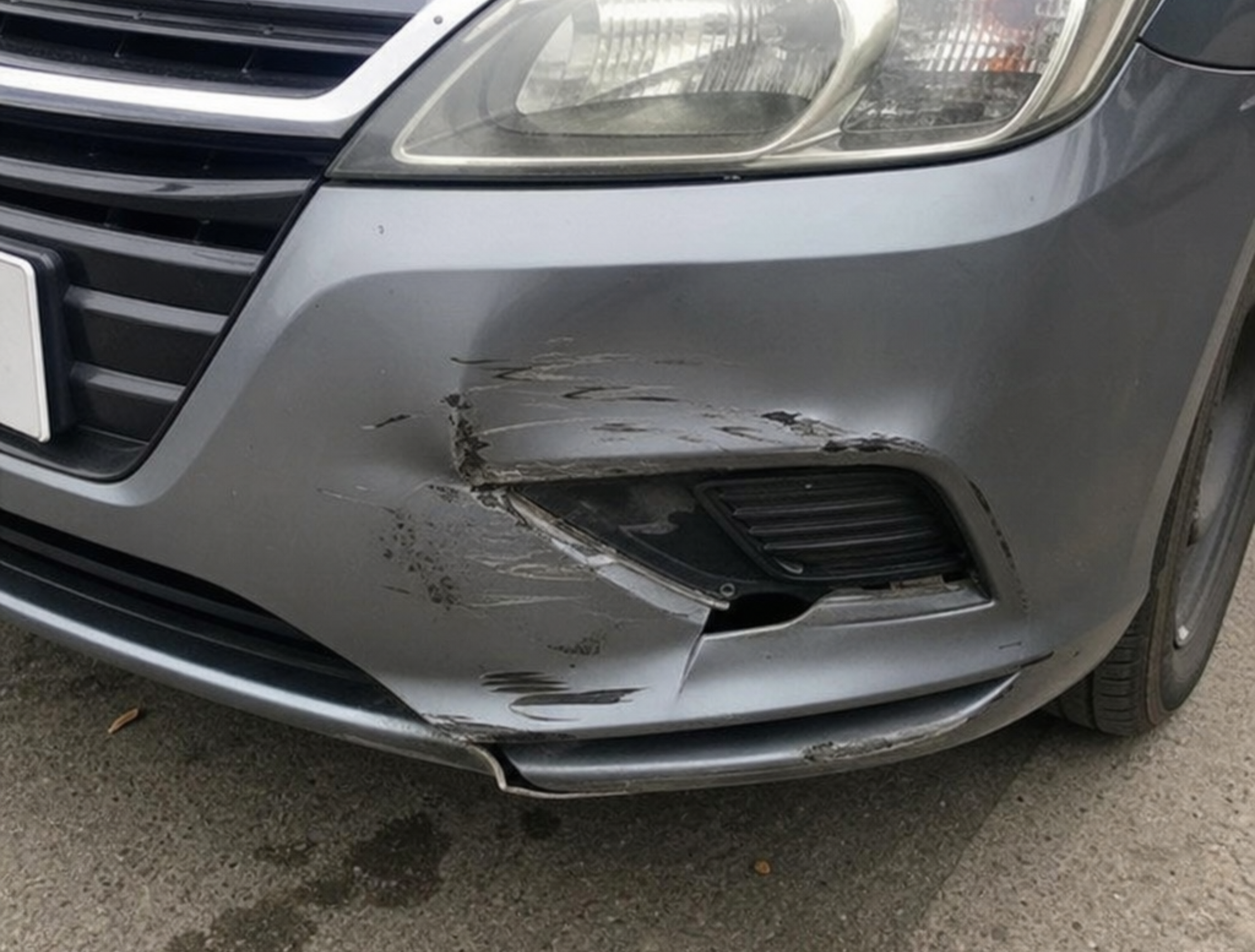
Car bumpers are important for safety of the vehicle. They absorb shocks and safeguard the bodywork of the car in the event of a crash.
Damage to the rear bumper is common, typically due to minor accidents or parking incidents.
Car bumper repair can be as simple as fixing scratches or as complex as replacing it altogether.
A car owner who understands the repair process is better equipped to make informed choices.
How much does car bumper repair cost? The cost will vary based on the type of bumper and size of damage.
Plastic bumpers are common and usually can be repaired, which is a cost savings compared to replacement.
There are a few reputable repair shops in Melbourne, Cranbourne, Carrum Downs, Lynbrook and Clyde that offer quality services.
This guide will look at everything you need to know about car bumper repair.
Understanding Car Bumpers and Their Importance
Car bumpers play a vital role in the safety and performance of a vehicle. In a crash, they are often the first place to stop.
They take up energy, preventing damage to other important areas of the car. That means they can avoid costly repairs.
Bumpers also help a vehicle look better and increase its appearance and value. A good bumper can add a fair amount of value to a car when you go to resell it.
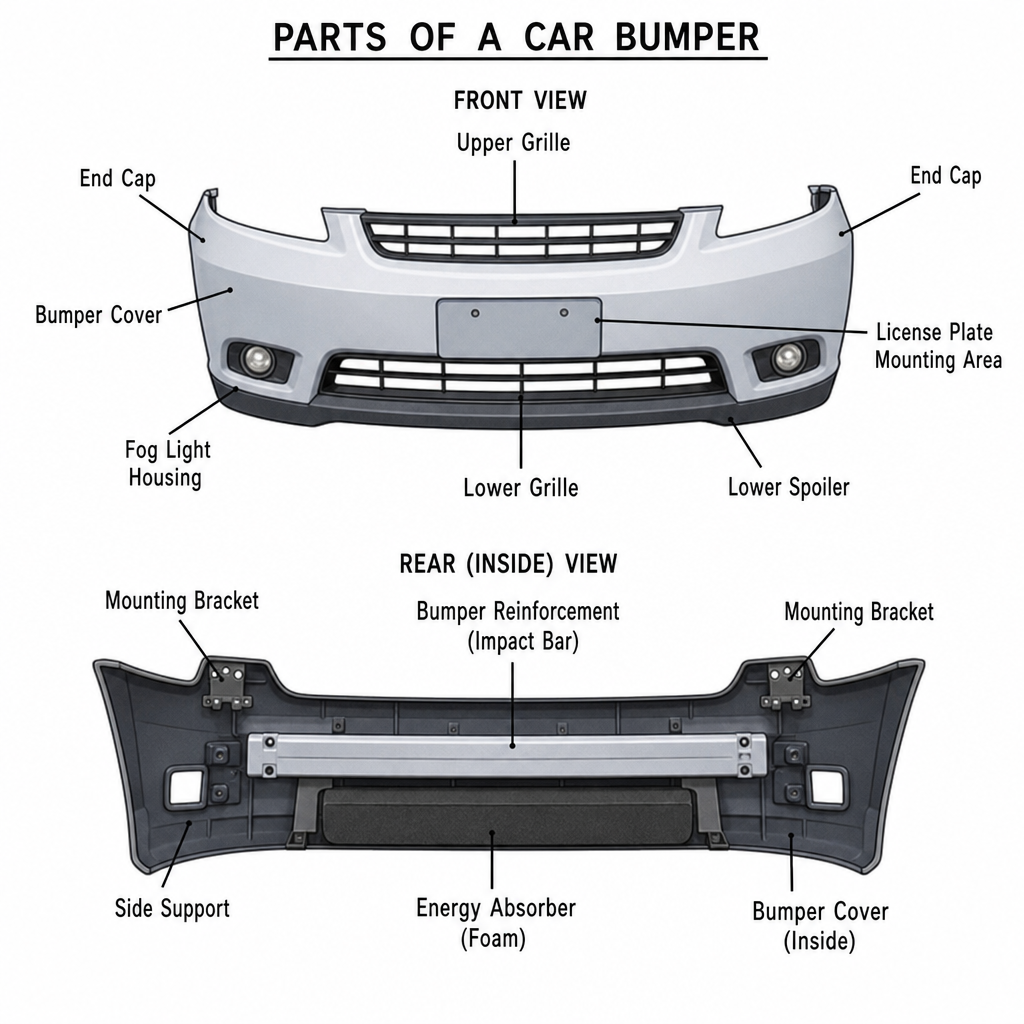
Bumpers on cars are often made out of plastic, fibreglass, or metal. The materials are tough, yet flexible.
Key features of car bumpers are:
- Energy absorption
- Aesthetic enhancement
- Structural protection
It is very important to understand the role of bumpers in overall vehicle maintenance. They are an integral part of the design and safety features of your car.
Regularly check your car bumper for wear and tear or damage. It’s important to keep it in good condition, both for safety, and for looks.”
Common Causes of Rear Bumper Damage
Rear bumper is often damaged in minor accidents and everyday mishaps. This type of damage is common for many drivers, even in safe driving conditions.
Rear bumper scrapes and dings are a common parking problem. In tight spaces, there is often inadvertent contact with other vehicles or obstacles.
Other causes include:
- Low-speed collisions
- Hitting curbs while reversing
- Shopping cart impacts in parking lots
- Environmental wear and tear
Weather conditions can also contribute to gradual bumper degradation. Exposure to sunlight and rain can make materials brittle over time.
Awareness of these common causes can help you prevent damage in the future. Being cautious in parking areas and during adverse weather can make a significant difference.
Regular inspections ensure that even minor damage doesn’t escalate into more significant issues. Paying attention can save you time and money in the long run.
Types of Car Bumper Damage
Car bumpers suffer different kinds of damage depending on the circumstances. Different approaches are required for each type of repair.
Most damage is scratches. These generally come from minor contact with objects or other vehicles.
Another common problem is cracks in the bumper. They are often caused by more severe impacts that can compromise the integrity of the bumper.
Bumpers can also be dented, usually from collisions. They can disfigure the bumper, but can often be repaired with the right techniques.
Bumper Damage Types can be:
- Surface scratches
- Cracks or splits
- Dents
- Scuffs
- Paint chipping
Paint damage is another common form of bumper damage. Exposure to elements over time can result in fading or chipping of colours.
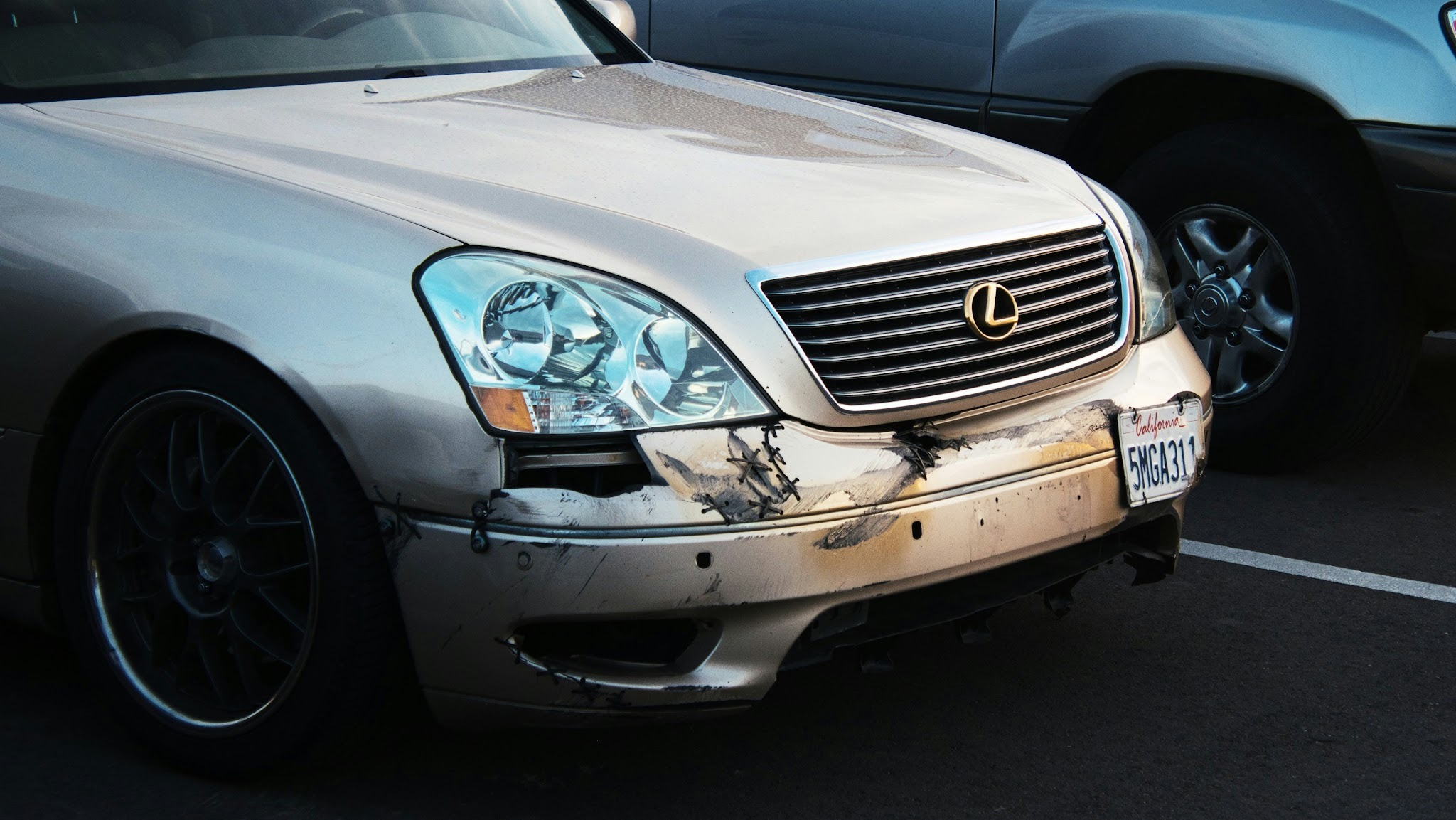
Knowing the types of damage is important when deciding whether to repair or replace your bumper. Each type of damage must be evaluated on its own and what to do with it.
Assessing the Damage: Repair or Replace?
When your car bumper is damaged, it’s important to understand the difference between repair and replacement. The decision is based on a number of factors including the severity of the damage and the material of the bumper.
Minor scratches or dents often call for a repair. This is usually faster and cheaper, especially for small non-structural issues.
But if the damage is deep or in key parts of the bumper, it may need to be replaced. Cracks or splits that affect safety may require a new bumper.
The decision is based on a number of factors, including:
- Extent of damage
- Safety implications
- Cost considerations
- Impact on vehicle aesthetics
A complete inspection is required to ascertain the amount of the damage. A professional can help to accurately determine the severity.
Sometimes, a repair will suffice for the short-term needs, but for long-term safety and performance, a replacement may be necessary. Balancing the cost against these factors will ensure the best result for your vehicle.
DIY vs. Professional Car Bumper Repair
Choosing between DIY and professional car bumper repair can impact results. DIY options are tempting for minor damage. They offer potential savings and immediate results if you have the right tools.
Home repair kits are widely accessible and suitable for small scratches or shallow dents. However, using them requires skill and precision to avoid worsening the damage.
For complex issues, professional repair services provide reliable outcomes. Experts have the experience, tools, and materials to ensure durable repairs. They can address structural concerns, ensuring safety and quality.
Considerations when choosing between DIY and professional repair include:
- Nature of the damage
- Required tools and materials
- Expertise level
- Cost and time investment
For those in Cranbourne, Carrum Downs, Lynbrook, and Clyde, numerous shops offer skilled services. Weighing cost against quality can guide you to the best choice for your vehicle’s needs. Professional repairs often guarantee the workmanship, providing peace of mind and lasting results.
Step-by-Step Guide: How to Fix a Car Bumper
Fixing a car bumper is best repaired by a professional, but you can do it yourself if you take your time and are careful. First, you’ll want to set up your workspace and gather the tools you’ll need. Keep the area clear while working on your vehicle so as not to be interrupted.
Then, check the bumper for any obvious damage. This includes scratches, dings and cracks. Knowing the extent of the damage will help you figure out the right repair method.
First, wash the bumper surface with soap and water. This cleans off dirt and grime that can interfere with repairs. Make sure the bumper is dry before proceeding.
Light scratches can be sanded out with some fine sandpaper for plastic bumpers. Gently rub the surface to avoid further damage. If necessary, follow with plastic repair compound.
The final steps in aesthetic repair are the application of a primer and paint. Make sure to match the colour of your car for seamless results. Use light, even coats to prevent drips.
For more serious cracks you can use a plastic welding kit to fuse the plastic back together. This technique helps to regain the strength of the damaged area.
Remember to follow all safety guidelines during repairs. Personal protective equipment such as gloves and goggles can prevent injury. Patience and precision are key to achieving professional-quality results in a DIY setting.
Plastic Bumper Repair: Techniques and Tips
Plastic bumpers are usually fixable and are common. Knowing the material helps in the choice of the proper repair technique. They are light and flexible, and are now widely used in modern cars.
Plastic bumpers tend to crack. Plastic welding is a good method for such damage. It uses heat to re-weld the plastic together, restoring strength and integrity.
A filler is another option for small scrapes. Apply plastic filler to the damaged area. This can level out uneven surfaces, and ready them for painting.
For a successful repair, here are some tips to consider:
- Assess damage type before choosing a technique.
- Ensure the bumper is clean before repair.
- Use matching paint for seamless blending.
Following these steps, you’ll be able to make the repair both functional and visually pleasing. The best results come from patience and attention to detail. If the damage seems like too much for your skill level, it’s best to seek professional help.
Bumper Scratch Repair: What You Need to Know
Scratches on the bumper of your car are unsightly, but generally repairable. They can result from very minor incidents, such as bumping into a wall. Deal with them quickly and avoid further problems.
For minor scratches, a DIY repair kit might be enough. These kits typically come with sandpaper, filler and paint. But not every scratch can be fixed by yourself. Professional help may be needed for deep scratches to get a perfect finish.
“Repairing the scratches Keep these steps in mind:
- Clean the bumper thoroughly before starting.
- Sand the affected area lightly to remove rough edges.
- Use touch-up paint matched to your car’s color for a smooth look.
The right repair method will depend on the severity of the scratch. For deep or extensive scratches, consulting a professional may save time and result in higher quality. The expertise applied makes sure the bumper looks good and lasts.
Car Bumper Repair Cost: What to Expect
The cost of repairing a car bumper can vary widely. There are a number of factors that contribute to the cost. Understanding these will help you to budget accordingly. Labour is a large portion of the repair cost. Repairs on luxury vehicles are often more expensive due to the specialised skills needed. The amount of damage can also affect the cost. Minor scratches are cheaper than large cracks or dents. The materials used in the repair can affect the overall cost. Plastic bumpers for example may require special materials that add to the cost. Generally the cost includes the paint. Insurance may cover part or all of the repair costs depending on your policy. Knowing your coverage can result in substantial savings. It is a good idea to talk to your insurance company before starting repairs. Getting a few estimates will help you get the best price. Factors that usually drive repair costs include:
- Labor and skill level required
- Extent and location of the damage
- Materials and parts needed
- Your vehicle’s make and model
Budgeting for a car bumper repair is crucial. Understanding these factors can help you make an informed financial decision.
Choosing a Car Bumper Repair Shop in Cranbourne, Carrum Downs, Lynbrook & Clyde, Melbourne
Quality service begins with choosing the right repair shop. Local shops in Cranbourne, Carrum Downs, Lynbrook and Clyde provide a range of services. Do your research to find the best fit for your needs.
Start with reading reviews of local repair shops. Feedback from clients can identify strengths and weaknesses. Personal recommendations from friends and family members can be helpful also.
Another consideration is location. Choosing a shop nearby can reduce the travel time and hassle. It can also lower costs associated with transportation or towing.
Price should not be the only determining factor but it is an important one. Get estimates from a few shops and compare. When selecting a repair shop, keep the following factors in mind:
- Reputation and customer feedback
- Location convenience
- Services offered and expertise
- Price estimates and competitiveness
Making a well-informed decision can ensure that you receive reliable and efficient service. I always say quality over price for best results.
Insurance and Warranty Considerations
Check your insurance policy before starting any car bumper repair. Depending on the damage and circumstances, your policy might cover the costs of repair. It is important to understand what your policy covers. Warranties are also important to consider. Some repair shops offer warranties on their work, which can give you peace of mind. Ask about warranty terms and conditions before agreeing to any repairs. Remember to communicate with your insurance provider. This can help clarify what expenses are covered. Here are some things to consider when dealing with insurance and warranty:
- Insurance coverage for bumper repairs
- Availability of repair warranties
- Terms and conditions of warranties
Understanding these factors can help you manage expenses effectively and make the most of your coverage options.
Preventative Care and Maintenance for Your Car Bumper
Regular maintenance is essential for a durable car bumper. Routine checks can identify minor issues before they become major problems. Addressing these issues promptly can save both money and time. Prevention techniques can help avoid damage. Simple practices, like parking carefully and avoiding tailgating, can reduce the likelihood of collisions. Also, remember to protect the bumper from extreme weather conditions, which can cause deterioration over time. Consider incorporating the following measures for enhanced maintenance:
- Regular inspections
- Prompt repairs of minor damages
- Careful parking habits
- Protection from weather impacts
By taking these steps, you can prolong the life of your bumper and improve the safety and appearance of your car.
Frequently Asked Questions About Car Bumper Repair
Frequently Asked Questions About Car Bumper Repair Many car owners wonder whether small dents and scratches always require a visit to a professional. While there are do-it-yourself remedies, not all damages are suitable for at-home repairs.
Another frequently asked question is about costs. Bumper repair costs vary based on the damage extent and location. Knowing what to expect when budgeting for these repairs can help.
Here are a few of the most frequently asked questions:
Consider these frequently asked questions:
- Can I fix a bumper myself?
- What affects the repair cost?
- How long do repairs usually take?
Being informed about these aspects can assist in making sound repair decisions, ensuring your car remains in optimal condition.
Conclusion: Protecting Your Car and Your Investment
Bumper care is very important for the safety and appearance of your car. Prompt repairs will prevent further damage and keep your car in top shape.
Invest a little time and effort in taking care of your bumper and you will be rewarded with a more valuable, longer-lasting and tougher vehicle. The bumper is not just a protection but also helps you to improve your overall driving experience.