
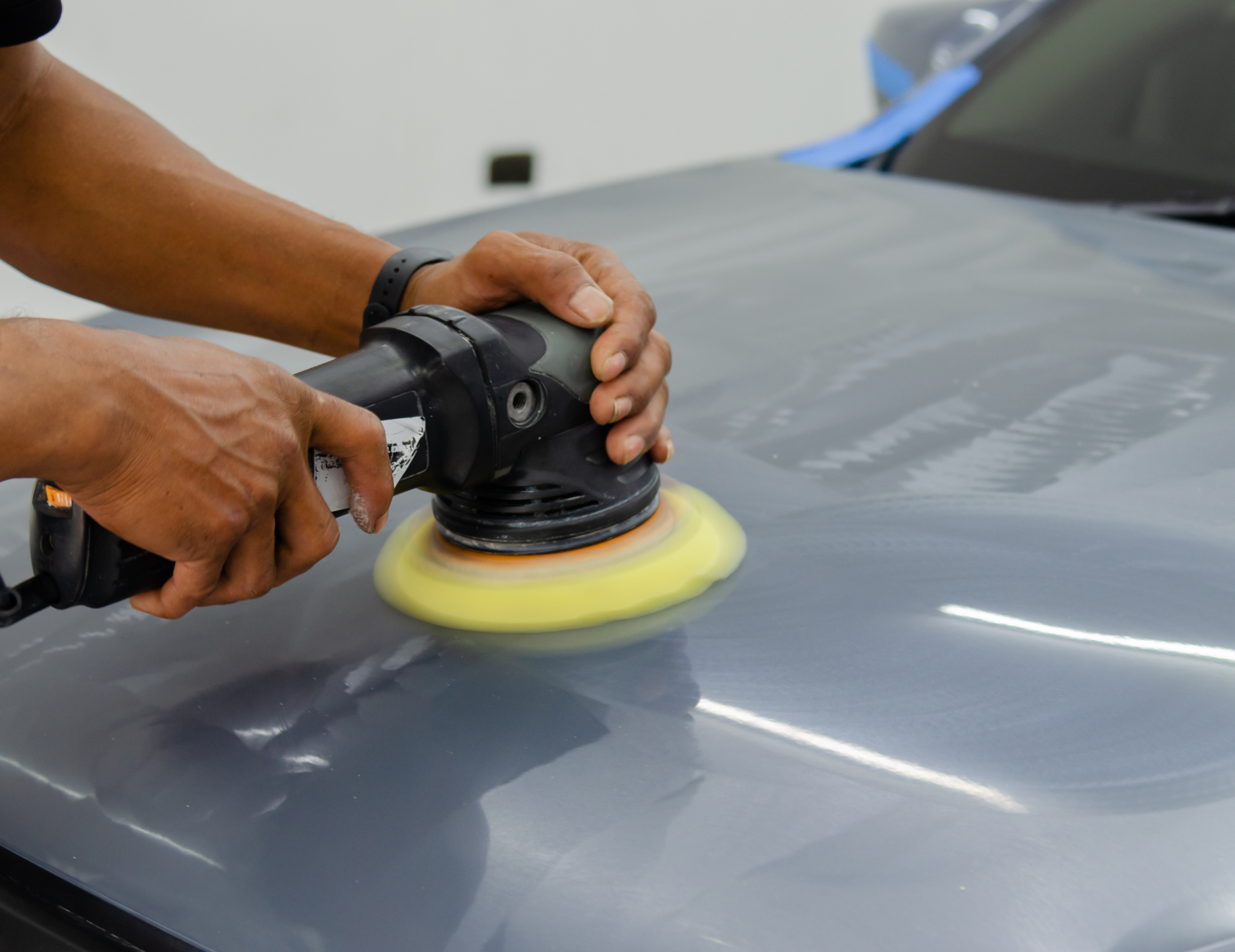
Your car roof is more than just the completion of the shape of your vehicle. It protects the cabin from the elements, helps provide structural rigidity, holds the seals and trim in place, and can affect your comfort every time you drive. Knowing the most common signs of roof repair helps you take action early, avoid hidden damage, and know when it’s time to talk to car repair professionals.
What are the clearest signs your car roof needs repair?
The most obvious signs are water stains on the headliner, dents or rust, wind noise, loose trim, cracked seals, sunroof leaks, bubbling paint and dampness of the interior after rain. These may seem minor at first, but the roof is exposed to sun, rain, debris, road vibration and temperature changes on a daily basis. Moisture can get into the headliner, electrical parts, pillars and upholstery if not treated, making the repair more complicated than just the outside.
As a rule of thumb, any change in the way your roof looks, sounds or feels is a time to have it checked out. Not every mark means the roof needs major work but every unusual symptom does need attention. Early inspections are especially important after storms, falling limbs, hail, contact with low clearance objects or improperly installed roof racks.
Water stains on the headliner are a warning sign
One of the more obvious signs that roof repair is needed is a stain on the fabric above your seats. It often appears as a brown ring, a dark patch, or an uneven discoloration around the windscreen, doors, sunroof, dome light or rear hatch area. Even if the area feels dry to the touch, the stain usually means water has entered the cabin at some point.
Leaks can come from a variety of places. The paint may be damaged on the roof panel, the windscreen seal may be failing, the sunroof drain may be blocked, or the door weatherstripping may no longer be sitting correctly. Also, water can track along trim and wiring before it drips, so the stain may not be directly under the actual entry point.
Don’t think that just because a stain appears once it’s not harmful. Moisture trapped above the headliner can cause odours, cause adhesive failure, and promote mould growth. If the stain grows after rain or car wash, inspect the car as soon as possible.
Dents, creases, and roof panel distortion deserve attention
Dents on a car roof are common after hail, falling acorns, tree limbs, garage-door contact or dropping of items during loading. A shallow cosmetic dent may not seem like an emergency, but look carefully at roof damage because creases and stretched metal can impact paint, seals and adjacent trim. And so much of the roof is above eye level that it is more difficult for owners to inspect it thoroughly.
View dents from various angles in natural light. If the panel is reflecting light unevenly, or has a wavy surface or sharp crease lines, it may need to be looked at by a professional. Damage to the roof edges, pillars, windscreen frame or sunroof opening may be more severe than a minor ding in the centre panel.
Car repair experts can determine whether the damage is suitable for paintless dent repair, conventional body repair, seal replacement, or additional structural inspection. The sooner the panel is assessed, the easier it may be to avoid paint cracking and corrosion.
Rust and bubbling paint should never be ignored
Rust on the roof can start small, particularly if paint has been chipped off by stones, branches, roof racks, or old repairs. You may see little orange dots, paint that is blistering, rough edges where seams are, and paint that is flaking around the windscreen and roof rails. It is important to look for bubbling paint because corrosion could be forming underneath.
The rust gets into the paint and then moisture and oxygen can get to more bare metal and it can spread. Roof rust can be frustrating as it can spread into seams, under trim and around bonded glass. A little blemish can cause a leak or require more bodywork.
If you see rust, don’t scrape it off aggressively, don’t just slap random touch-up products on without preparation. A proper repair normally involves cleaning the affected area, treating any corrosion, restoring the surface and then properly sealing it. For larger areas or rust near glass it’s safer to have a professional repair it.
Unusual wind noise can point to roof or seal problems
If your car suddenly sounds louder at highway speeds, the roof area might be involved. Loose weatherstripping, a raised roof rail cover, an out-of-alignment sunroof, or trim that’s no longer seated properly can cause wind-whistling, fluttering, or a new rushing sound. Even a small gap may produce an audible sound as air flows past the vehicle.
This is the kind of problem that is easy to overlook because the car will still drive fine. But the same opening that allows air in can also allow water, dust or road debris in. A small seal problem can become a big leak in heavy rain or repeated car washes.
To help you find it, listen for when the sound occurs. Is it only if you go over a certain speed? Is it the windscreen, the side doors, the roof rack or the sun roof? Giving this information to a technician can help make the inspection more efficient.
Why does the roof leak after rain or a car wash?
A roof after rain or a car wash usually means water is leaking through a failed seal, blocked drain, damaged panel, loose trim or misaligned glass. The exact source can be tricky as the water often travels before it’s seen inside the cabin. This is why you should consider repeated dampness, small or not, a repair clue rather than a nuisance.
Sunroof drains are a good illustration. Many sunroof systems are designed to channel water through drain channels, but those channels can become clogged with leaves, dirt, pollen or other debris. If the water doesn’t drain properly it may overflow into the headliner or down the pillars.
Mounting points not sealed correctly can also cause problems with roof racks and aftermarket accessories. A tiny gap around a bolt or clip can only leak during heavy rain, pressure washing or when parked at a certain angle. If the leak only occurs under certain conditions, remember that. The pattern can help car repair experts track down the source.
Interior smells and dampness can reveal hidden damage
If you smell something musty inside your car, that could be one of the first signs that you have a moisture problem with your roof. You may notice when you turn on the ventilation system, after the car has been parked in the sun or after rain. Wet carpet, foggy windows, soft headliner fabric or moisture around the pillars may also be signs of water intrusion from above.
It’s not just for comfort. Moisture can damage upholstery, stain interior materials, affect adhesives and create an unhealthy cabin environment. In certain vehicles, wiring and airbags are placed in or near the pillars or roof areas, and water should not be allowed to remain.
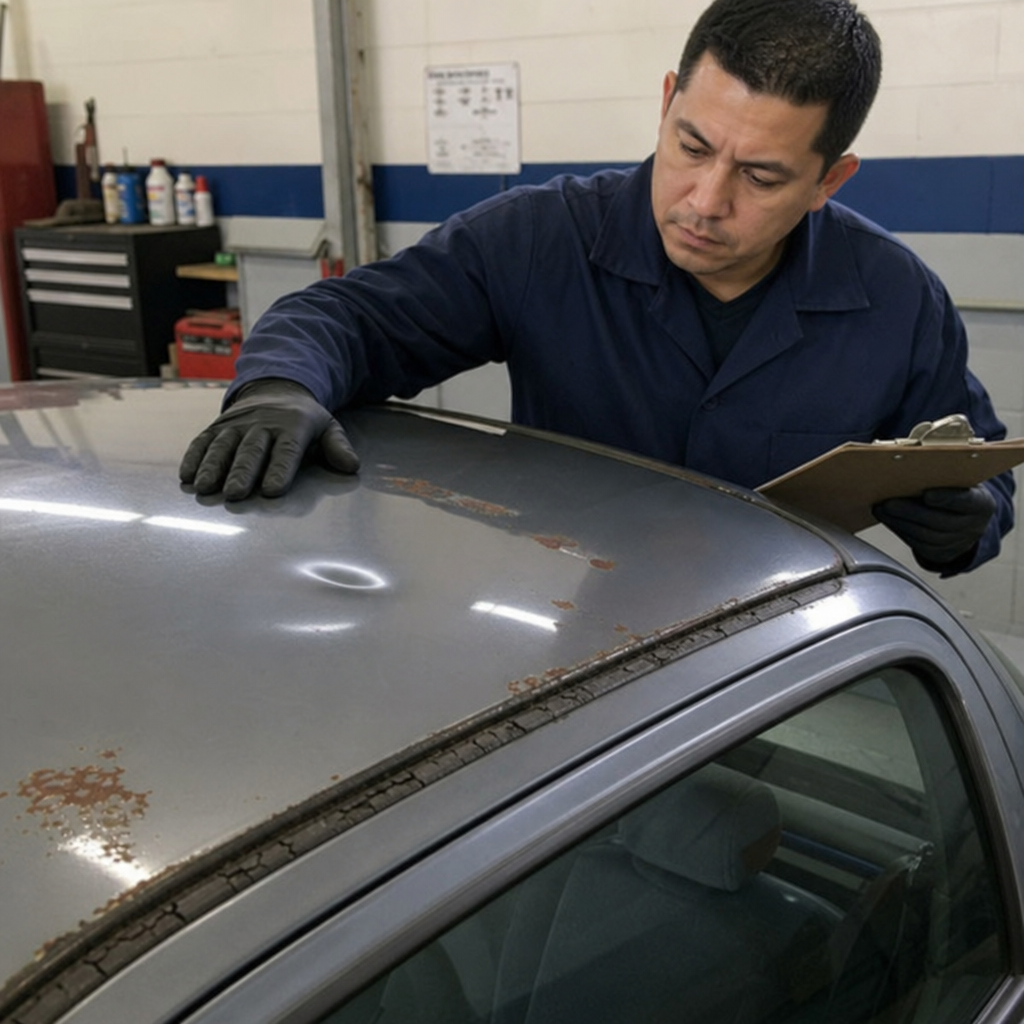
If you suspect hidden dampness, inspect the cabin carefully. Feel along the headliner edges, check around the dome light, look near sun visors, check the floor mats and carpet. Water can start at the roof and collect in the lowest part of the cabin.
Loose trim, roof rails, and molding need a closer look
Exterior trim covers seams, protects edges, reduces wind noise, and directs water away from sensitive areas. Loose, cracked or missing roof moulding, rails, drip trim or rubber strips can leave the roof more exposed than it should be. You may notice a lifted edge, hear a rattling noise or feel a moving trim piece.
This may be due to age, heat, old adhesive, impact, repeated automatic car washes, or improper accessory installation. Roof racks are particularly important, they carry load and vibration. If it is loose, water may come in around the mounting points and the rack may not be safe anymore.
Don’t use tape or a temporary sealant as a permanent solution. Temporary measures can help in an emergency, but they tend to trap moisture or fail quickly. May need correct re-connection, replacement clips, new seals or professional alignment.
A damaged sunroof changes how your roof performs
A sunroof or moonroof adds comfort and light, but it also adds moving parts, glass, seals, tracks, drains and electrical components. A sunroof that hesitates, sticks, closes unevenly, rattles, leaks or is a little higher or lower than the roofline should be checked. Any small alignment problem can affect the compression of the seal.
Listen for grinding, clicking or strain when moving the glass. Look for any debris in the track and see if the rubber seal looks cracked, flattened or separated. If you notice water in the sunroof tray or dampness near the opening, stop using the sunroof until the problem is fixed.
Trying to force a stuck sunroof can worsen the damage. This may damage the motor, track, cable or alignment of the glass. If removing visible debris does not solve the problem, have a qualified technician diagnose the problem.
Practical roof maintenance tips for everyday drivers
The best tips for roof maintenance are easy, simple and consistent to add to your routine. You don’t need to do a weekly technician-style inspection of your car, but you should be aware of changes after severe weather, long drives, parking under trees or carrying cargo on the roof.
Here is a quick checklist to lower the risk of roof problems:
- Regularly wash the roof: Paint can be worn down and early damage hidden by dirt, sap, bird droppings and road grime.
- Dry at joints and openings: Wash and then look around the sunroof, windscreen edge, roof rails and trim for water that is trapped.
- Remove debris carefully: Remove leaves, twigs and pine needles from roof channels and sunroof areas without sharp tools.
- Visually check seals: Look for cracks, gaps, flattening or rubber that has pulled away from the body.
- Check after storms or hail: Even minor dents can chip paint or loosen trim.
- Use roof racks properly: Observe load limits, secure cargo properly and inspect mounting points before and after use.
- Do not pressure wash aggressively near seals: Ageing rubber or weak trim can allow high-pressure water to get through.
- If water appears, schedule an inspection: It is easier to fix a leak if you find where it is coming from soon enough.
These habits help protect the roof finish and make it easier to notice damage. They also offer a better chance to catch small problems before they turn into interior repair.
When should you call car repair experts?
Leaks, rust, chipped paint, sunroof problems, loose roof rails, obvious panel distortion or persistent wind noise are all reasons to call car repair experts. It is also wise to get professional help after hail damage, impact from a falling object or any incident that leaves dents near structural edges, glass or mounting points. A trained technician can check the hard to reach areas and can suggest the right type of repair.
The hazards of guessing is especially hazardous when water is involved. Sealing the wrong area won’t stop the leak and may complicate diagnosis later. Professional leak detection involves controlled water testing, trim inspection, panel evaluation and experience with common leak paths to find the real cause.
If you are buying a used car, you should also seek help if you see roof stains, mismatched paint, uneven trim, or signs of previous repair. Roof issues are not always obvious on a quick test drive, but they can impact comfort and long-term ownership costs.
What to do when you first notice roof damage
The first thing to do is take pictures of what you see, protect the vehicle from further moisture if you can and schedule some inspection before the problem worsens. “Acting calmly and methodically can save time, reduce guesswork and help the repair professional understand what happened.”
Follow these steps:
- Take clear photos. Capture dents, stains, rust, loose trim, or wet areas from several angles.
- Note the timing. Write down whether the issue appeared after rain, a car wash, hail, a road trip, or a specific impact.
- Keep the interior dry. Use towels to absorb visible moisture and park under cover when possible.
- Avoid forcing parts. Do not push a stuck sunroof, pry trim, or scrape rust aggressively.
- Check nearby areas. Look around the windshield, doors, roof rails, and headliner edges.
- Book a professional inspection. Ask for the source of the problem, not just a surface-level fix.
This gives you useful information without creating more damage. It also helps separate cosmetic concerns from issues that could impact sealing, corrosion protection or interior components.
Small roof issues can become larger repairs
A tiny chip in the paint, a tiny leak, a lifted seal may not seem an emergency if the car is still attractive from a distance. The trouble is that roof damage can develop quietly. Water can build up behind trim, on top of the headliner or collect in seams before you notice a telltale symptom.
Waiting to make repairs can also make diagnosis harder. By the time you see a stain, its point of entry may be feet away. Rust can creep under paint, and loose trim can mean more vibration and movement every time you drive.
This is not to say that every roof mark is an emergency. This means you should take roof repair signs seriously and interpret in context. The goal is to repair the right fault at the right time before it affects more of the vehicle.
A well-maintained roof protects comfort and value
Your car roof works in the background without fuss but it plays an important part in keeping your cabin dry, quiet and comfortable. Water stains, dents, rust, wind noise, loose trim, sunroof problems and musty odours are all signs something may need attention. Many problems can be detected early with routine inspections and simple maintenance tips.
If you notice persistent leaking, corrosion, broken panels or anything that changes after rain or high speed driving, it is advisable to have the roof checked by car repair specialists. A full diagnosis protects the interior, keeps the car looking good and gives you confidence every time you get behind the wheel.