
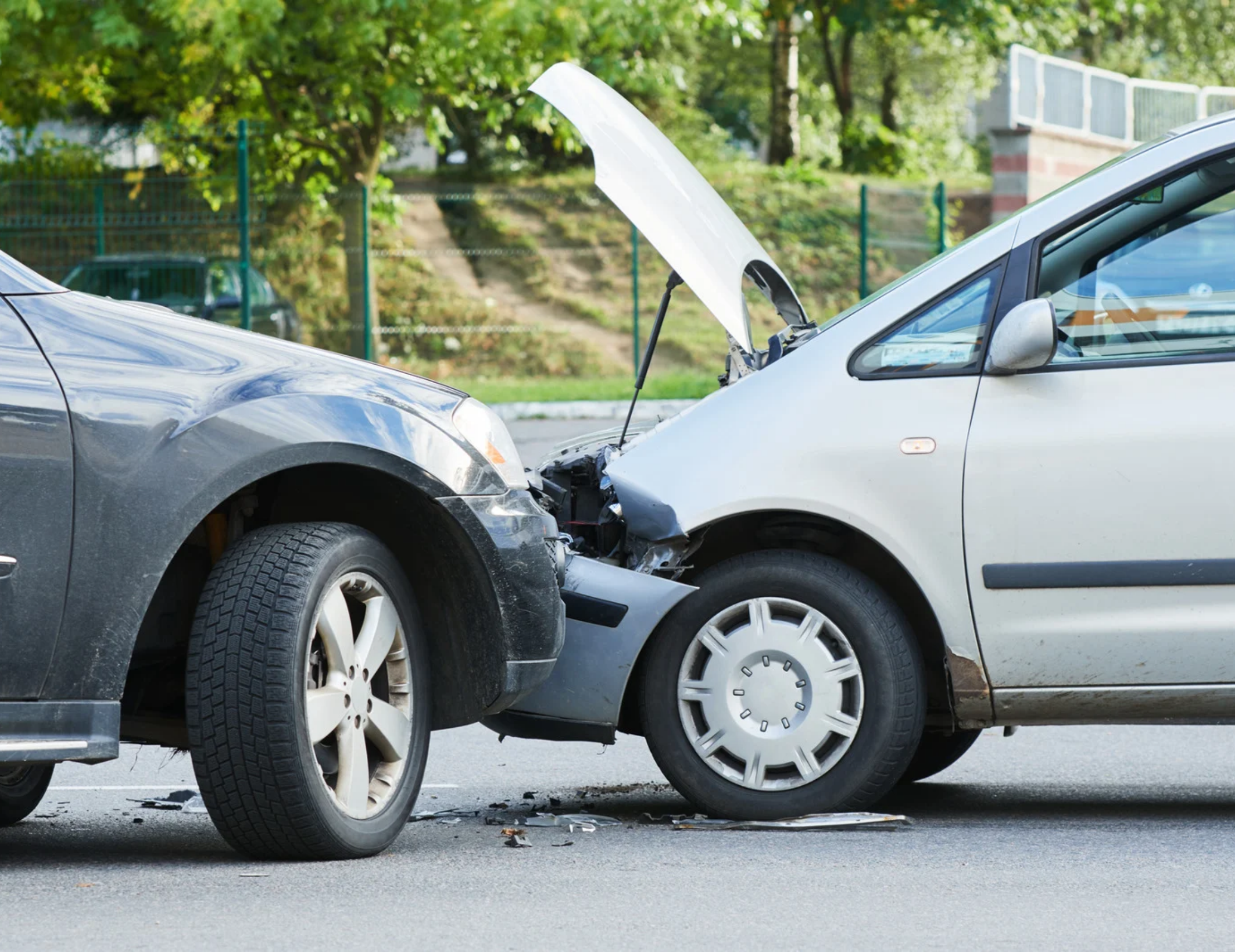
A scratch or dent in a car accident can seem like a strictly cosmetic issue. However, when collision damage cuts through the protective paint layers of the vehicle it can expose the underlying metal to moisture and oxygen. After collision damage this can over time lead to rust which can turn a relatively small repair into a much bigger bodywork problem.
This is especially true if a damaged panel goes untreated after a minor collision, parking incident or sideswipe. Even if the vehicle is still driving properly, damaged paint, exposed metal and moisture can provide conditions for corrosion to set in.
Knowing the link between scratches, dents and corrosion can help drivers from Clyde North, Cranbourne, Carrum Downs, Lynbrook and South East Melbourne prevent avoidable body damage.
Can a Car Scratch Cause Rust After an Accident?
Yes. If a deep scratch in the paint removes the protective coating and exposes the metal underneath, it can lead to rust.
The exterior paint system on a vehicle is an important barrier between the body metal and the environment. If a collision scratch penetrates the paint layers and exposes metal, water and oxygen may come into contact with the surface.
Car makers will usually recommend that deep scratches and stone chips are repaired quickly as the exposed metal will corrode. For example, Kia and Hyundai suggest taking it to a professional when the bare metal is visible.
Not all scratches are created equal. A light mark on the surface may only impact the clear coat, whereas a deeper scratch from a collision or scrape may go through several layers of protection.
That’s why the location and the depth of the damage is important.
How Does Collision Damage Lead to Corrosion?
the process can begin with something as simple as a scrape.
In an accident, the paint and protective coatings on a body panel can be damaged by another vehicle, object or road surface. If the impact is deep enough to scratch or dent, the metal beneath the paint may be visible.
Exposed metal contacts moisture and oxygen and can start to oxidise. Dirt, mud and other contaminants can also be left around the damaged area, keeping moisture in contact with the surface.
Over time, the affected metal can begin to develop visible rust.
The problem doesn’t have to be limited to the original scratch. As the corrosion develops, the paint may begin to bubble, lift or deteriorate around the affected area. The vehicle inspection guidance says bubbling or swelling paint, and rust-colored staining, may be possible signs associated with corrosion.
This is one reason why it is generally better to repair collision damage quickly rather than just waiting to see if the damage worsens.
Why Are Dents Also a Rust Risk?
A dent won’t automatically make rust. The risk is higher if the dent is accompanied by damaged paint, cracked coatings or exposed metal.
For example, imagine a car park where a door has been hit. The panel dents in and the paint cracks at the edge of the impact. It is not the dent which is the problem, but the damaged protective coating.
A dent can also cause areas that are more prone to collecting dirt and moisture. Corrosion can occur gradually if the damaged area is hard to clean or exposed.
South East Collision Centre says even small dents can cause long-term body deterioration. South East Collision Centre offers Paintless Dent Removal (PDR) for suitable minor dents where paint is intact and traditional panel beating for deeper dents and creased panels.
This is important because the correct repair depends on the extent of the dent and paint damage.
Scratches vs Dents: Which Is More Likely to Cause Rust?
There is no simple rule that every dent is more dangerous than every scratch. The important question is whether the vehicle’s protective coating has been compromised.
|
Damage Type |
Typical Risk |
Potential Rust Concern |
Common Repair Approach |
|
Light surface scratch |
Low |
Usually limited if metal is not exposed |
Paint correction or minor cosmetic repair |
|
Deep scratch |
Higher |
Exposed metal can begin corroding |
Paint repair/refinishing |
|
Small dent with intact paint |
Lower |
Usually limited |
PDR where suitable |
|
Dent with cracked paint |
Higher |
Moisture can reach exposed areas |
Dent repair + refinishing |
|
Deep collision dent |
High |
Possible hidden and surface damage |
Panel beating and refinishing |
|
Scrape exposing bare metal |
High |
Direct exposure to moisture and oxygen |
Surface preparation + corrosion protection + paint |
|
Existing rust around damage |
High |
Corrosion may continue beneath paint |
Rust assessment and proper repair |
|
Bubbling or lifting paint |
High |
May indicate corrosion beneath coating |
Professional inspection and body repair |
The table shows why simply judging damage by size can be misleading. A small scratch exposing bare metal may deserve more attention than a larger dent where the original paint remains intact.
What Happens If You Ignore a Scratched or Dented Panel?
The most frequent error is to believe that a minor scratch is not serious because the car still looks and drives normally.
Body corrosion doesn’t always affect drivability immediately. It can start as a localised surface problem and manifest itself more later.
You may come to see:
- Brown or orange rust spots
- Rust-coloured staining around a scratch
- Bubbling paint
- Peeling or lifting paint
- Rough or pitted metal
- Corrosion spreading around the original damage
Once corrosion starts, the repair can be more complicated.
“When exposed metal is left unrepaired, rust can spread, bubble the surrounding paint and potentially weaken the panel,” says 3M’s automotive repair guidance.
This is why it is usually easier to prevent rust after a car accident than to tackle widespread corrosion later on.
Can Paintless Dent Removal Prevent Rust?
Paintless dent repair can help keep the original paint if the damage is appropriate for PDR, but it’s not for every dent.
Paintless Dent Removal is the delicate reshaping of suitable panels without the use of conventional sanding, filling or repainting. Generally it is most appropriate when the paint is still intact and the panel can be reached and restored without damage to the finish.
PDR is appropriate for small dents where the paint is not broken, says South East Collision Centre.
If the damage has gone through the paint and you can see bare metal, then just fixing the dent might not be enough to prevent corrosion. The damaged coating also has to be evaluated.
That’s why a professional inspection is helpful after collision damage.
When Does a Scratch Need Professional Car Scratch Repair?
A professional assessment is particularly worthwhile when:
- You can see bare metal.
- The scratch is deep enough to catch your fingernail.
- Paint has been removed or is peeling.
- The scratch occurred during a collision.
- Rust or brown staining has already appeared.
- The surrounding panel is dented.
- The damage is close to an edge, seam or panel joint.
- You are unsure whether the scratch has reached the metal.
A superficial mark may be cosmetically treated, but deeper collision scratches may require proper surface preparation and refinish.
South East Collision Centre offer car scratch and dent repair in Clyde North, Cranbourne, Carrum Downs and Lynbrook including panel beating and refinishing depending on the damage.
How Is Rust After Collision Damage Repaired?
The exact process depends on the extent of the corosion.
The first step is to examine the damaged area. The technician determines if the problem is paint damage, a dent, exposed metal or existing corrosion.
If the panel is dented, depending on the condition, restoration of the shape may be necessary with PDR or traditional panel beating.
If the paint has been damaged, you may need to prepare the surface before refinishing. If corrosion is present, it is not a good idea to paint it over with fresh paint. Any corrosion that is affected has to be properly dealt with before the protective coating is re-applied.
The final repair, depending on the vehicle and the damage, may include: panel repair, surface preparation, primer or corrosion protection, colour matching and clear coating.
South East Collision Centre is a panel beating, spray painting, dent repair and collision repair workshop in Clyde North.
Why Professional Panel Beating Matters After a Collision
Sometimes collision damage can appear smaller than it is.
The panel may have a visible dent or scratch, with damage around mounting points, joins or adjacent components. Side impacts, for instance, may affect more than the visible surface of a door or side panel.
South East Collision Centre’s side-impact repair service demonstrates the importance of looking for both visible and hidden damage, and employs panel beating and refinishing for proper repairs.
So professional panel beating in Clyde North can be about more than just making the panel straight again. Good repair will also restore the surface and protective finish so that the repaired area is not unduly susceptible to future deterioration.
Can You Prevent Rust After a Car Accident?
Yes, and the most effective step is to take care of damaged paint and exposed metal quickly.
If the accident has caused a deep scratch, dent or scrape, don’t treat it as something that can be easily forgotten. Maintain the area free of damage and make arrangements for an inspection if the metal or underlying coating appears exposed.
Don’t assume that applying a random household coating or paint over visible rust will permanently solve the problem. “Any automotive refinish work should be done using proper prep and compatible materials.”
Vehicle manufacturers specifically recommend corrosion protection when metal parts are repaired or replaced, highlighting the significance of the repair process instead of simply covering the damage.
Why South East Melbourne Drivers Shouldn’t Ignore Collision Scratches
Drivers in Clyde North, Cranbourne, Carrum Downs and Lynbrook are all too familiar with daily parking damage, shopping centre scrapes and sideswipes, and more serious collisions.
A damaged bumper, door, guard or quarter panel may just appear to be a cosmetic problem. But if the paint has been broken, the condition of the metal underneath should not be overlooked.
For example, South East Collision Centre at its Clyde North workshop can repair front and rear bumpers, side impacts, panel beat, spray paint and PDR.
The sooner you inspect a damaged area the easier it may be to decide on the correct repair before corrosion has a chance to spread.
Rust Repair vs Collision Repair: Why Timing Matters
Generally, it’s best to repair the original collision damage before rust becomes the primary concern.
A new scratch may simply need a fairly localised paint repair. If the paint is damaged, a dent may require panel repair and refinishing. However, established corrosion may require additional prep work and possibly more extensive bodywork.
Simply put, collision repair can be preventative maintenance for your car’s body.
The goal is not just to get the car looking good right after an accident. It’s also about putting back that protective finish that keeps the metal below from the moisture and the elements.
Frequently Asked Questions
Can a car scratch cause rust?
Yes. A deep scratch that removes the protective paint and exposes susceptible metal can allow moisture and oxygen to reach the surface, increasing the risk of corrosion.
How long does it take for a car scratch to rust?
There is no universal timeframe. It depends on the depth of the damage, whether metal is exposed, moisture and environmental conditions, and how the damaged area is maintained. Because exposed metal can rust relatively quickly, manufacturers recommend repairing deep scratches promptly.
Can a dent cause rust on a car?
A dent can contribute to rust when it damages the paint or protective coating and exposes the underlying metal. A dent with completely intact paint presents a different corrosion risk from a dent accompanied by chipped or cracked paint.
Should I repair a small scratch after an accident?
If the scratch is superficial and has not damaged the paint system, it may be primarily cosmetic. However, if you can see bare metal, the scratch is deep or the damage occurred during a collision, professional assessment is recommended.
Can PDR repair a dent without causing rust?
Yes, when the dent is suitable for PDR and the original paint remains intact. PDR is specifically designed for suitable minor dents without conventional sanding, filling or repainting.
What are the early signs of rust after collision damage?
Early signs can include orange or brown staining, small rust spots, bubbling paint, paint lifting or roughness around a damaged area. Rust-coloured staining around a panel joint can also indicate corrosion developing beneath the visible surface.
Where can I get collision and rust-related body repairs in South East Melbourne?
SOUTH EAST COLLISION CENTRE operates from Clyde North and provides smash repairs, panel beating, spray painting, dent repair, PDR and other collision-related services for drivers in Clyde North, Cranbourne, Carrum Downs, Lynbrook and surrounding Melbourne areas.
Don’t Let a Small Collision Scratch Become a Rust Problem
A scratch or a dent after an accident may not sound like a big deal, but the condition of the paint underneath can make all the difference. If the protective coatings are damaged and metal is exposed, moisture and oxygen can start the corrosion process.
The best way is the simplest way. Look for collision damage early, make proper repairs to exposed areas and restore the protective finish instead of waiting for visible rust to spread.
Whether you have a deep scratch, dented door, scraped bumper or more serious accident damage, professional assessment can help you decide if you need car scratch repair, dent repair, panel beating, PDR or spray painting.
If you’re looking for smash repairs in Clyde North, collision repair in South East Melbourne or accident repair near Cranbourne, Carrum Downs and Lynbrook, South East Collision Centre has a range of body repair services available from its Clyde North workshop.
Taking care of the damage now will help preserve the appearance and condition of your vehicle for years to come.