
Collision repair for classic and vintage cars requires an extra layer of care, although collisions are stressful with any vehicle. These vehicles are often more than just everyday transportation. They might have special bodywork, original parts, older building techniques, unusual trim, special paint finishes, and a high level of sentimental or collector value.
So, getting a classic car back in shape after an accident is more than just replacing a damaged panel and slapping on a fresh coat of paint. _ The repair of it should take into account the original character, construction, condition of the vehicle and owner’s expectations of the finished result.
Classic car accident repair is a careful and detail-oriented process, from evaluating damage that may not be visible, to determining if a panel can be repaired instead of replaced.
If you’re an owner in Melbourne’s south-east, South East Collision Centre in Clyde North can help with collision repairs, panel beating, spray painting, vehicle restoration and damage assessment. The workshop states that it has modern equipment and experienced technicians and takes care of every vehicle.
Why Is Classic Car Collision Repair Different?
Classic and vintage cars can be very different from modern cars.
Modern vehicles are largely designed around modern manufacturing processes, readily available replacement parts and standardised repair procedures. Instead, a classic vehicle may be made from older materials, feature hand-finished bodywork, employ unique construction techniques, or be built from hard-to-find parts.
The vehicle may have also been restored at some stage of its existence.
Thus a repairer needs to know not only the visible accident damage but also the condition and construction of the vehicle.
Sometimes with a classic car, saving what is original can be as important as fixing what is broken.
What Should Be Checked After a Classic Car Accident?
The first step in any quality classic car collision repair is a detailed damage assessment.
Visible dents, scratches and damaged panels may be obvious, but an impact can also affect areas that are not immediately visible.
A professional inspection may consider:
- Body panels and their alignment
- Structural areas affected by the impact
- Bumpers and mounting points
- Doors, bonnet and boot alignment
- Existing paintwork and finishes
- Glass and trim
- Lights and electrical components
- Suspension or mechanical areas affected by the collision
- Previous repairs or restoration work
Hidden damage should not be overlooked simply because the vehicle appears relatively intact from the outside.
South East Collision Centre’s collision repair process includes detailed vehicle assessment and inspection for hidden damage before repair work proceeds.
Preserving Original Parts Where Possible
One of the biggest problems in collision repair on vintage cars is the decision on what to repair and what to replace.
On a modern vehicle, replacing a damaged part with readily available parts may be fairly straightforward. With a classic car, the original part may be hard to find, rare, or important to the authenticity of the vehicle.
If a damaged panel or component can be professionally restored, then repair may be preferable to replacement with an inappropriate modern or reproduction component.
This is especially true if the vehicle has original body panels, trim or other features which add to its character.
Depending on the vehicle, the damage and the condition of the existing part, your course of action will differ. A professional assessment should be made before deciding to repair or replace.
Why Panel Beating Matters for Classic Cars
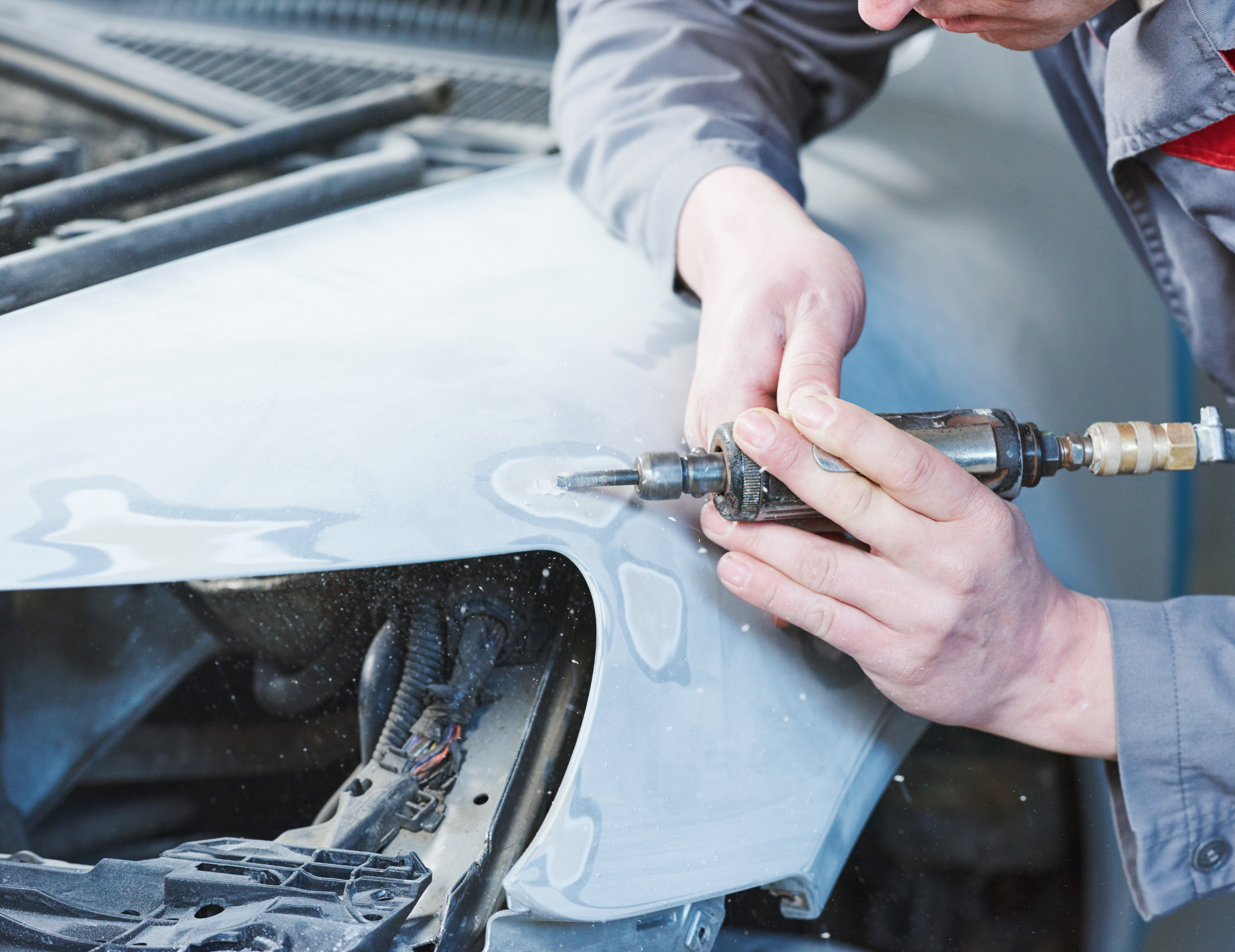
Panel beating on classic cars may require careful attention to retain the original shape and character of the bodywork.
Older vehicles can have unique curves, body lines and panel profiles that are hard to replicate with a generic replacement panel.
Skilled panel beating can enable appropriate metal panels to be carefully reshaped rather than automatically scrapped.
The goal isn’t just to make the damaged area look straight. This is to restore the shape, alignment and relationship of the panel to the surrounding bodywork.
Panel beating is one of the collision repair services provided by South East Collision Centre. The company claims its method is to use precision techniques to restore damaged panels and, where applicable, also carry out structural alignment.
Paint Matching Can Be More Complicated on Vintage Vehicles
Paint matching is another major consideration in classic car body repair.
A vehicle’s original colour may have changed over decades because of exposure to sunlight, weather and previous refinishing. Even if you know the original factory colour code, applying that colour to a newly repaired panel may not automatically produce a perfect visual match with the surrounding paintwork.
A repairer may therefore need to consider the existing condition of the vehicle’s finish and how the repaired area will blend with adjacent panels.
Good spray painting is about more than choosing a colour that looks similar. Surface preparation, application and blending all influence the final result.
South East Collision Centre lists spray painting and colour matching among its collision repair capabilities and states that repaired areas are blended with surrounding panels to create a consistent finish.
What About Previous Restoration Work?
Many classic cars have already been repaired, restored or modified at some point in their lives.
A vehicle involved in a collision may therefore contain a combination of original components, reproduction parts and previous repairs.
This matters because an accident repairer needs to understand what they are working with before beginning the repair.
For example, a panel may look original but have been replaced during an earlier restoration. A section of the vehicle may have been repaired previously, potentially affecting how a new collision should be approached.
A detailed inspection can help identify these factors before the repair plan is finalised.
Structural Damage Should Never Be Ignored
A classic vehicle’s appearance may be its most noticeable feature, but structural integrity remains a critical consideration.
An accident can affect structural areas even when the visible body damage appears relatively minor.
For this reason, classic car structural repair should be approached with the same focus on safety and alignment as any other collision repair.
A professional repairer should assess whether the impact has affected the vehicle’s structure and determine the appropriate repair method.
South East Collision Centre’s published collision repair process includes structural assessment and rectification where required, with alignment checked using appropriate equipment.
Should You Use Original or Replacement Parts?
There is no single answer for every classic vehicle.
The decision can depend on:
- The vehicle’s age
- The rarity of the component
- The condition of the original part
- The extent of the accident damage
- Availability of suitable replacement parts
- The vehicle’s restoration goals
- The owner’s preferences
For a valuable or historically significant vehicle, maintaining originality may be particularly important.
For another classic vehicle, a high-quality replacement component may be the most practical option.
The important thing is to make the decision deliberately rather than simply fitting the first available part.
Classic Car Collision Repair and Vehicle Value
Accident repairs can perhaps affect the way future buyers or collectors view a classic vehicle.
This makes the quality of repair all the more important.
A poor quality repair can cause noticeable variations in panel gaps, paint colours, body lines or trim. It might also complicate a future restoration.
A professionally completed and well documented repair can give you more confidence in what was repaired and how the vehicle was restored after the collision.
If the vehicle has significant collector or sentimental value, owners should also discuss with their insurer how the accident and the proposed repairs could affect the valuation or insurance arrangements for the vehicle.
Choosing a Repairer for a Classic or Vintage Vehicle
When looking for classic car repair in Melbourne, don’t choose a repairer based only on price.
Ask questions about the repair process and how the workshop plans to handle the vehicle.
Useful questions include:
Will the vehicle receive a detailed damage assessment?
A proper assessment should identify both visible and potential hidden damage.
Can damaged original panels be repaired where appropriate?
This can be important when preserving the vehicle’s existing character matters.
How will the paint be matched?
Ask how the repairer intends to achieve an appropriate match between the repaired section and the existing finish.
Will previous restoration work be considered?
A vehicle’s repair history can affect the best approach to new collision damage.
How will structural damage be assessed?
A classic vehicle should not be repaired purely for appearance if the collision may have affected its structure.
What workmanship guarantee applies?
Understanding the repairer’s warranty or workmanship guarantee before work begins can provide additional peace of mind.
South East Collision Centre states that its repairs are backed by a lifetime workmanship guarantee. Owners should still confirm the specific terms and coverage that apply to their individual repair.
Classic Car Insurance Repairs
Insurance can add another layer of complexity when repairing a vintage or classic vehicle.
Before repairs begin, owners should understand how their insurer values the vehicle and what the policy says about repair methods, replacement parts and restoration.
If the vehicle has an agreed or specialist valuation, make sure the repairer and insurer have the relevant information.
It is also worth documenting the vehicle’s condition before repairs whenever possible. Photographs, previous restoration records, invoices and other documentation can help establish the vehicle’s history.
South East Collision Centre provides insurance repair assistance and states that it can coordinate with insurers as part of its repair process.
What Happens During Classic Car Accident Repair?
While every vehicle and accident is different, a professional repair process generally begins with assessment rather than immediate repair.
1. Damage Assessment
The vehicle is inspected to understand the extent of the collision damage.
2. Repair Planning
The repairer determines which components can be repaired, which may require replacement and whether structural or hidden damage needs further investigation.
3. Panel and Structural Repairs
Damaged panels are repaired or replaced as appropriate, while structural areas are assessed and rectified where necessary.
4. Paint Preparation and Matching
The repaired surfaces are prepared before paint is applied and blended with surrounding areas where required.
5. Reassembly
Trim, lights, bumpers and other components are refitted and checked for correct alignment and operation.
6. Final Quality Inspection
The finished vehicle should be checked for panel alignment, paint finish, fitment and overall repair quality before being returned to the owner.
South East Collision Centre describes a similar collision repair workflow involving assessment, strip-down, hidden-damage inspection, panel repair or replacement, paint matching, reassembly and final quality inspection.
Why Rushing a Classic Car Repair Can Be a Mistake
Classic cars require a different approach than standard accident repairs.
The goal should not be to make the vehicle look passable as fast as possible.
A quick fix can miss hidden damage, ruin panel alignment, leave visible paint differences or replace original parts when not needed.
Taking the time to properly assess the vehicle can help set the right repair strategy from the beginning.
That little bit of extra care can mean a lot to a car that has been restored or preserved over many years.
When Should You Get a Classic Car Inspected After an Accident?
You should arrange a professional inspection after any significant collision, even if the visible damage appears minor.
This is especially important when you notice:
- Misaligned doors, bonnet or boot
- Uneven panel gaps
- Changes in steering or handling
- New noises after the impact
- Cracked or damaged glass
- Damaged lights or electrical components
- Fluid leaks
- Visible structural deformation
- Paint damage extending beyond the obvious impact area
A professional assessment can help determine whether the damage is cosmetic, structural or a combination of both.
Classic & Vintage Car Collision Repair in Clyde North
South East Collision Centre is situated in the south east of Melbourne in Clyde North and provides collision repair, panel beating, spray painting, vehicle restoration and insurance repair services to owners of classic and vintage vehicles.
The workshop uses modern equipment and offers damage assessment, panel repairs, spray painting and structural repair where required. Paintless dent removal, bumper repair, storm and hail damage repair and towing are also among its published services.
The best first step if your classic or vintage vehicle has been in an accident is a thorough inspection. From there the repair strategy can be tailored to the vehicle construction, current condition, accident damage and your restoration goals.
Frequently Asked Questions
What is different about classic car collision repair?
Classic car collision repair often requires greater consideration of originality, rare components, older construction methods, existing restoration work and the vehicle’s original appearance. Repairing suitable original parts may sometimes be preferable to replacing them.
Can a classic car’s original panels be repaired after an accident?
In some cases, yes. Whether a panel should be repaired or replaced depends on its condition, the extent of damage and the desired restoration outcome. A professional inspection should determine the appropriate approach.
How do you match paint on a vintage car?
Paint matching can involve assessing the vehicle’s existing colour and finish, preparing the repaired surface correctly and blending the new paint with surrounding areas. Older paint may have changed over time, so matching the original colour code alone may not guarantee a visual match.
Is structural inspection necessary after a classic car accident?
Yes. Visible cosmetic damage does not always reveal the full extent of an impact. Structural areas should be assessed when the collision could have affected the vehicle’s alignment or integrity.
Should I use original parts when repairing a classic car?
Not necessarily in every situation. Original parts can be valuable for authenticity, but their condition, availability and suitability need to be considered. The best solution depends on the vehicle and the owner’s restoration priorities.
Can a classic car be repaired after a major collision?
Many classic vehicles can be repaired after significant collision damage, but the feasibility and repair method depend on the vehicle’s construction, damage and available parts. A detailed assessment is the appropriate starting point.
Where can I get classic car collision repair in Melbourne?
South East Collision Centre provides collision repair, panel beating, spray painting and vehicle restoration services from its Clyde North workshop and services drivers across Melbourne’s south-east.
Final Takeaway
Classic car collision repair is more than simply fixing accident damage. It’s about bringing the car back with care and celebrating what makes it special.
Factors such as original panels, unique body lines, age of construction, prior restoration work and paint condition all influence the proper repair approach.
In the event of an accident involving your classic or vintage car, begin with a thorough damage assessment before deciding on parts replacements. A thorough assessment can help you uncover hidden damage, figure out what can be restored and develop a repair plan that balances safety, appearance and preservation.
When owners are seeking vintage car collision repair or classic car body repair in Melbourne, selecting an experienced collision repairer and talking through the vehicle’s history and restoration goals before work begins can make the complete repair process easier.