
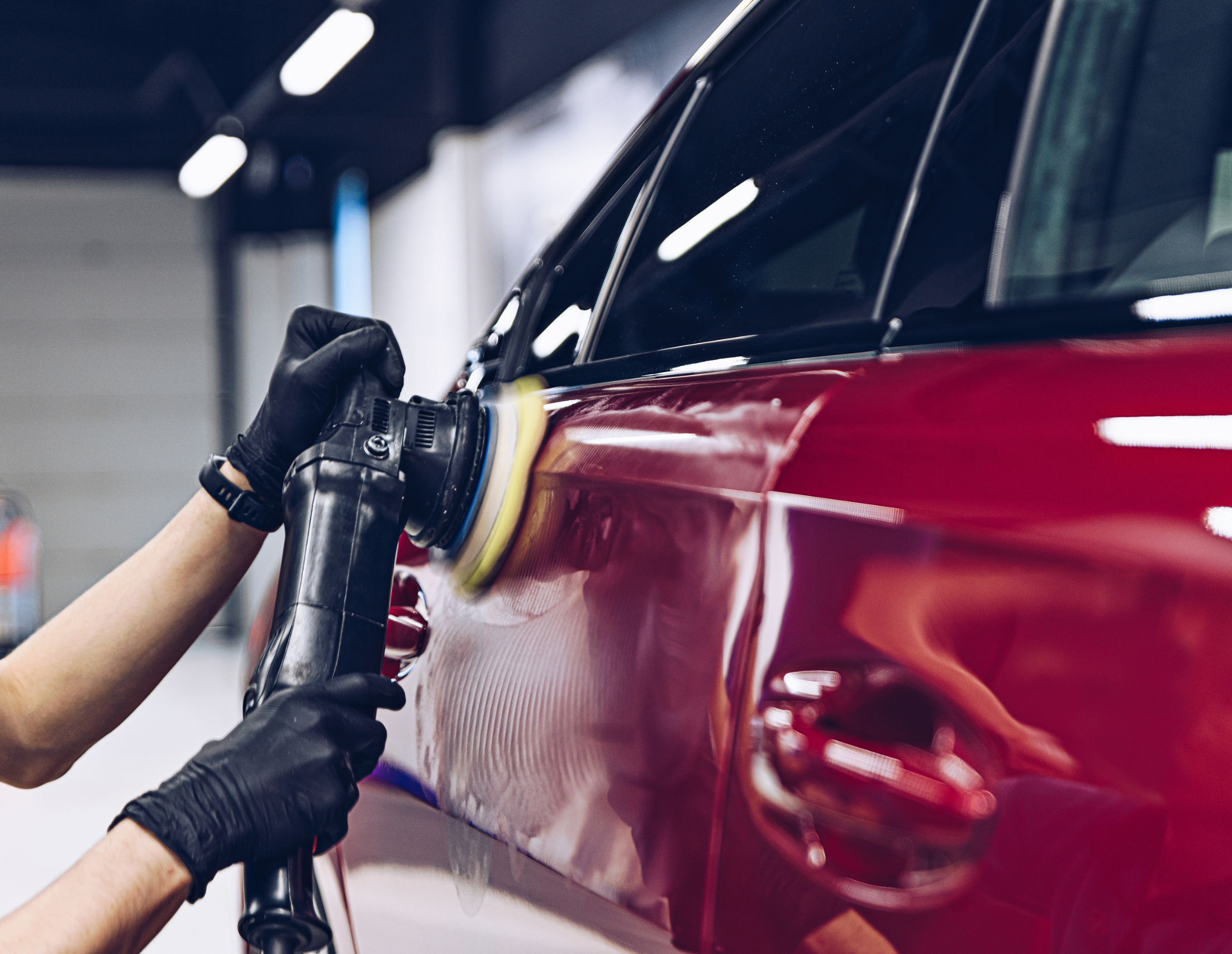
Repairing automotive paint scratches involves more than just erasing a mark. When applied correctly, it safeguards the finish, helps prevent exposed areas from worsening, and makes your vehicle look cared for between professional details or body shop visits. How deep the scratch is, your paint color, your comfort level, and whether a simple polish, automotive touch-up paint, or a professional repair is the best option will determine the right approach.
What type of scratch are you dealing with?
The first step is to assess the depth of the damage, as not every scratch requires the same scratch solution automotive paint repair method. Polishing can be effective for a light surface mark in the clear coat, but a deep scratch that goes down to the primer or metal requires more careful treatment. Using the wrong product too forcefully can enlarge a small blemish or dull the paint around it.
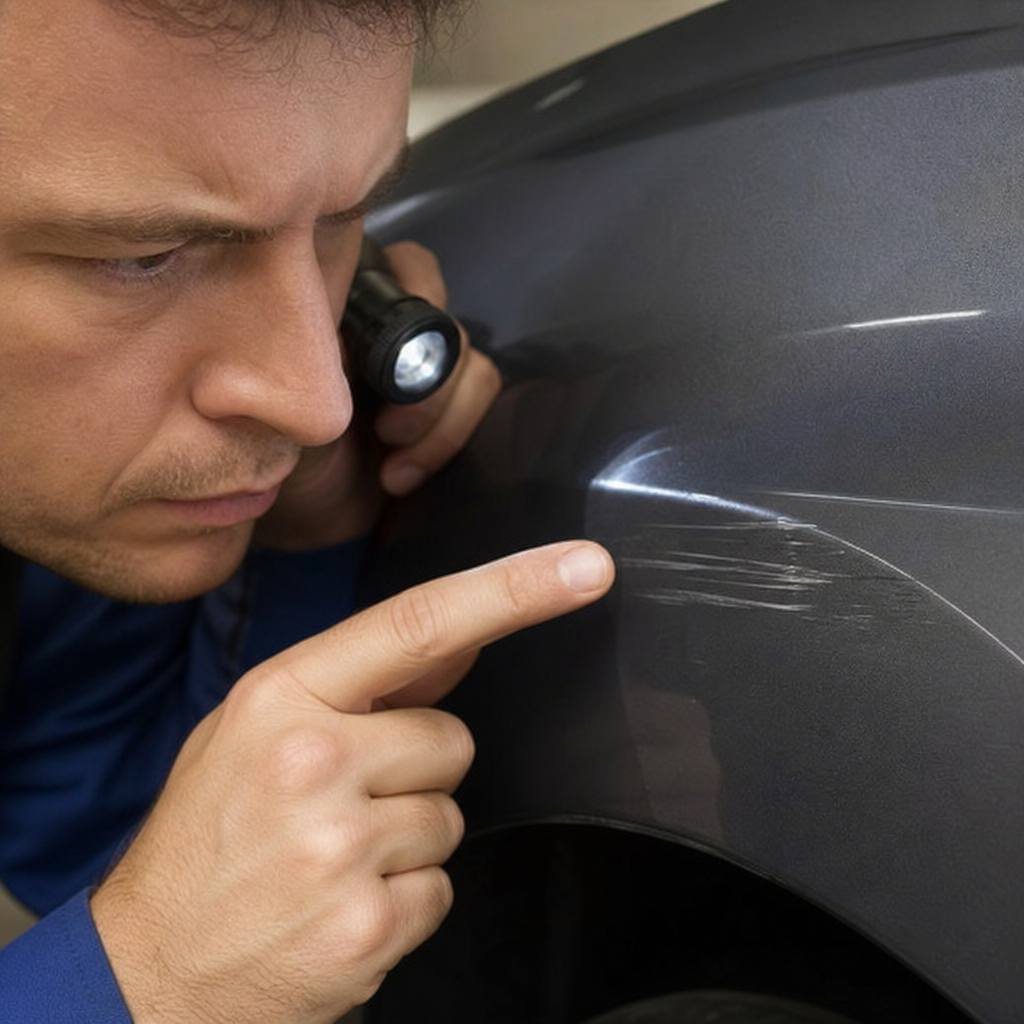
To practically evaluate the scratch, clean the area, ensure it’s completely dry, and examine it in bright light. A mark that vanishes when wet is likely to be mostly in the clear coat. A scratch that is deeper than superficial will likely need an automotive paint scratch repair kit, automotive touch-up paint, or assistance from a professional if your fingernail catches on it.
Typical scratch levels are:
- Clear coat scratches: These are found in the uppermost protective layer and usually appear white or hazy. They are the ideal candidates for polishing or light buffing.
- Paint-level scratches: These affect the color coat. They might require automotive paint pen scratch repair or touch-up paint that is carefully matched.
- Primer or metal scratches: They reveal the layers under the paint. To minimize the risk of corrosion and visible spreading, they should be repaired quickly.
- Scuffs and transfer marks: They can resemble scratches but are usually just material resting on the paint. They might be removed with a mild cleaner or polish.
Clean preparation makes every repair work better
Prior to applying scratch repair products, clean the area with car-safe soap and water. Polishing compounds, touch-up paint, and sealants can be affected by dirt, grit, wax, and road film. Even worse, rubbing over debris can cause new swirl marks around the original damage.
After drying the panel with a clean microfiber towel, take another look at the scratch. For areas with wax or silicone residue, apply a paint-safe surface prep product as instructed on the label. With good preparation, any automotive paint repair has a much better chance of blending smoothly with the surrounding finish.
For a clean working setup, gather:
- Microfiber towels designated for paintwork
- Car wash detergent and fresh water
- Use painter’s tape to safeguard edges or trim.
- A gentle polishing compound for clear coat marks
- Automotive touch-up paint for deeper scratches, color matched
- Fine applicators, like a touch-up brush or paint pen
- After curing, apply a protective wax, sealant, or coating to the repaired area.
How do you buff out scratches on a car?
To answer the question, “how do you buff out scratches on a car,” you should: clean the paint, start with the least aggressive polish, go slowly, and stop as soon as you see improvement in the scratch. Buffing is most effective on shallow clear coat scratches because it levels or refines the surface around the scratch. It won’t fix scratches that have cut through the color coat properly.
To repair scratches yourself, put a little polishing compound on a microfiber applicator or polishing pad. Move the product over the scratch in controlled motions, applying light to moderate pressure. Clear away any residue and inspect the result before doing it again. It’s safer to make several gentle attempts than to go for one aggressive move.
Exercise extra caution around body lines, edges, and corners. In these areas, paint can be thinner, and over-buffing might result in dull spots or expose the layers beneath. For long or deep scratches, or if the scratch is surrounded by paint that is already thin, it might be wise to consult a scratch car automotive paint repair specialist for advice.
Choosing the right touch-up option
When a scratch has penetrated the clear coat and reached the color layer, automotive touch-up paint is handy. It’s not enough to conceal the line; the aim is to restore color to the damaged area so that the repair is less visible and better protected. Because color match is important, always use your vehicle’s paint code when selecting touch-up products if you can.
For thin scratches, an automotive paint pen scratch repair is quite handy since it allows for a controlled application. For instance, an automotive touch-up paint pen can be a handy option for repairing narrow chips or scratches on a white car, but it’s important to remember that even white paint comes in different shades. Blending pearl, metallic, and tri-coat finishes can be more challenging than it seems.
A basic touch-up process usually looks like this:
- Make sure to clean and dry the scratch. Eliminate wax, grease, and loose paint edges.
- If necessary, mask nearby trim. This keeps the product in its rightful place.
- Use thin layers. Add color gradually instead of overwhelming the scratch all at once.
- Ensure adequate drying time. Take your time and adhere to the product instructions.
- If the system includes it, apply clear coat. This aids in restoring gloss and protection.
- Complete the process gently after healing. Once the paint has completely cured, a light polish might enhance the blend.
The top automotive paint scratch repair systems simplify the process by bringing together compatible cleaners, applicators, color, clear coat, and finishing products. Yet, no kit can substitute for patience. Usually, thin and careful applications are more visually appealing than heavy paint that sits raised above the surrounding surface.
When a repair kit is enough
If you’re dealing with small, isolated marks and the damage is just cosmetic, an automotive paint scratch repair kit can be a great option—especially if you’re at ease with careful work. While the contents of kits can differ, most include polishing compound, applicators, sandpaper or leveling tools, and occasionally clear coat or paint. Before you touch the vehicle, make sure to read the instructions completely, as each system has its own sequence.
A kit may be appropriate when:
- The scratch is minor and easy to reach.
- The damage is concentrated on a single panel.
- There is no peeling or bubbling of the paint.
- You can operate in a clean area that is shaded.
- You realize that the outcome might enhance the appearance instead of making the scratch invisible.
If the scratch is deep, wide, rusted, or on a highly visible panel where a perfect finish is important, a kit might not be the best choice. For those situations, opting for professional car scratch solutions can yield a cleaner and more long-lasting result.
Professional help prevents costly mistakes
At some stage, vehicle paint restoration is best left to someone who has the right tools, proper lighting, and experience in refinishing. An expert can determine if the scratch can be polished, spot-repaired, blended, or if the panel requires more extensive refinishing. This is crucial for luxury finishes, metallic and pearl paints, matte finishes, and newer cars, as uneven gloss can be more noticeable on these surfaces.
Professional repair may be worth considering if:
- Your fingernail digs deeply into the scratch.
- Metal, plastic, or primer is visible
- The scratch goes over a body line or panel edge.
- The area shows rust, cracks, or a peeling clear coat.
- The surface has become hazy due to DIY products.
- You aim for the smoothest outcome possible.
An expert can also assist you in steering clear of issues like mismatched paint, over-polishing, sanding marks, or damage to the clear coat. Although DIY approaches work for many small blemishes, a professional can save time when the damage goes beyond a simple automotive paint fix.
Car paint maintenance keeps scratches from getting worse
After fixing the scratch, ongoing car paint maintenance is essential to safeguard the finish. By washing regularly, you eliminate grit that can cause micro-scratches while wiping. By adding a sacrificial layer, wax, sealant, or ceramic-style protection can make routine cleaning easier and help maintain a glossier finish on the paint.
Tiny habits can have a big impact. Employ clean wash mitts, rinse them frequently, and use soft microfiber towels to dry. Steer clear of automatic brushes whenever you can, particularly if the vehicle already shows visible swirl marks. Whenever possible, park away from tight spots, and promptly remove bird droppings, sap, and road tar with products that are safe for paint.
A simple maintenance checklist includes:
- Use automotive soap for washing instead of household detergents.
- Utilize different towels for wheels and painted surfaces.
- Store touch-up paint for future chips as long as it stays usable.
- Examine areas that are prone to high impact, such as bumpers, doors, and edges of the hood.
- Reapply protection as the product manufacturer advises Tackle new scratches early to prevent dirt and moisture from settling in
Safe expectations lead to better results
Repairs to automotive paint scratches usually enhance the appearance of a blemish rather than completely eliminating it. This is particularly the case for deep scratches, aged paint, and intricate colors. By establishing realistic expectations, you can select the appropriate repair level without overworking the surface.
Buffing and polishing can quickly restore gloss for light marks. Automotive touch-up paint or a paint pen can shield and conceal deeper scratches, although they may still be noticeable upon close examination. To achieve the best finish, particularly on large or noticeable scratches, it’s usually best to go for professional refinishing.
The best way to go about it is to begin with an assessment, start with gentle methods, and align the repair with the depth of the damage. By using the right scratch repair products, employing a careful technique, and keeping up with consistent maintenance, you can ensure your vehicle looks cleaner, protect its paint, and address minor scratches with greater confidence.