
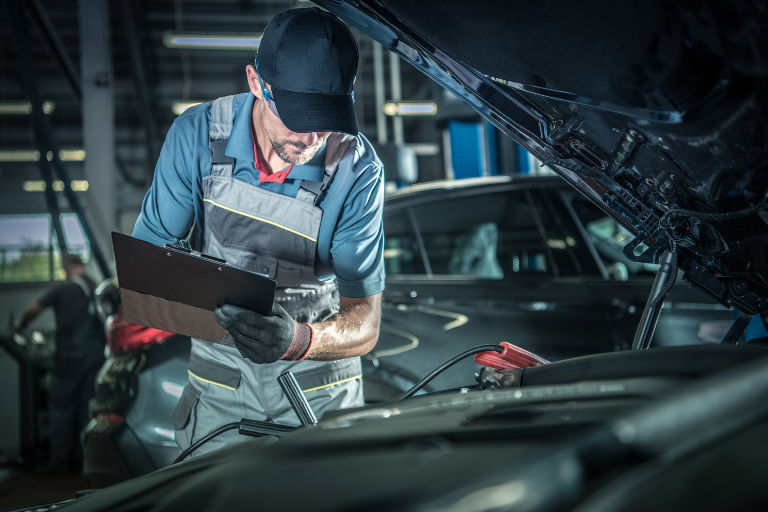
When a car is in for repairs after an accident, it may seem like it goes into a black box for days and comes out looking like new, with little to no explanation of what really happened in between. If you’ve ever wondered what a professional smash repair process actually is, you’re not alone.
Knowing every step not only calms your mind but allows you to tell the difference between a quick, surface level fix and a truly complete repair. This is exactly what goes on, step by step, inside a professional smash repair workshop.
Stage 1: Initial Damage Assessment
Each repair begins with a complete inspection of your vehicle. A qualified technician checks all visible damage – dents, scratches, panel distortions, cracked bumpers – and looks for anything that may not be obvious at first glance, like misaligned panels or early signs of structural impact.
This assessment will form the basis of an accurate repair quote. A good workshop will not just look at the damage, they’ll take the time to understand exactly what’s needed before any work is carried out.
Stage 2: Insurance Approval and Quoting
Once the damage is assessed, a formal quote is prepared and sent to your insurer for their approval. This includes the cost of parts, labour and materials required for the repair.
Your repairer should also be submitting your claim and liaising with your insurer on your behalf, keeping you informed of the approval so you don’t have to chase information yourself.
Stage 3: Vehicle Strip-Down and Hidden Damage Check
Before any panel work starts damaged sections of the car are carefully stripped down. This allows technicians to look for hidden or secondary damage that was not visible during the first inspection – such as bent brackets, damaged mounts or problems with the vehicle’s structural frame.
If more damage is found here, your insurer will generally need to approve an updated quote before work continues. This is a normal part of the process and one of the reasons that thorough repairers sometimes require a little more time than expected.
Stage 4: Panel Repair or Replacement
Depending on the extent of damage, repairs or full replacement of panels are carried out:
- Small dents and dings can often be fixed with paintless dent removal (PDR), which reshapes the panel without sanding, filling or repainting.
- For deep dents or cracked panels it will be necessary to fill , sand and reshape before painting.
- Panels that are badly damaged, such as a bumper or door that is severely crumpled, are normally replaced in their entirety with new or manufacturer-approved parts.
This stage involves a lot of precision. The panels need to be lined up properly so the car is sound structurally and looks factory.
Stage 5: Paint Matching and Spray Painting
Getting the paint right is one of the most technical parts of the whole process. Technicians use your vehicle’s specific paint code to create an exact colour match, which is then applied in a controlled spray booth environment with primer, base coat and clear coat.
Proper paint blending, or feathering the new paint into the surrounding original panels, is what makes a quality repair invisible to the eye, rather than leaving an obvious patch of mismatched colour.
Stage 6: Reassembly
Once panels are repaired and painted, everything that was removed during strip-down is carefully reassembled trims, lights, sensors, badges, and any electrical components. Technicians also recheck panel gaps and alignment to make sure everything sits exactly as it should, just like it left the factory.
Stage 7: Quality Check and Detailing
Before you get your car back, it is quality checked one last time. This usually involves checking:
- Colour matching and paint finish
- Panel alignment and spacing
- Lights, sensors and electronics function
- Roadworthiness overall
Many workshops will also detail or clean the vehicle completely before handing it back so it not only drives well, but looks its best too.
Stage 8: Handover and Warranty
Finally, your car is ready for pickup. At this point, a reputable repairer will walk you through the work completed and confirm the warranty covering your repair giving you confidence that if anything isn’t right, it’ll be taken care of.
Quick Overview: The Smash Repair Process at a Glance
|
Stage |
What Happens |
|
1. Damage assessment |
Technician inspects and identifies all visible damage |
|
2. Insurance approval |
Quote is prepared and submitted for approval |
|
3. Strip-down |
Panels are removed to check for hidden damage |
|
4. Panel repair/replacement |
Dents are reshaped, panels repaired or replaced |
|
5. Paint matching |
Colour-matched paint is applied in a spray booth |
|
6. Reassembly |
Trims, lights, and components are refitted |
|
7. Quality check |
Final inspection for finish, alignment, and safety |
|
8. Handover |
Car is returned with warranty confirmed |
Why This Process Matters
A quick or partial repair may leave unresolved underlying issues mismatched paint, misaligned panels, or underlying damage that rears its ugly head later. Knowing how this process works helps you ask the right questions when selecting a repairer, and gives you a better idea of what a really thorough job looks like.
This is the standard we adhere to at South East Collision Centre in Clyde North on all vehicles we repair, using genuine parts, skilled technicians and modern equipment to bring your car back to pre-accident condition regardless of manufacturer, whether it be a Toyota, Ford, Dodge, Jaguar or Honda. We can help you lodge your insurance claim and arrange a replacement vehicle if you need one while repairs are underway, so the whole process stays as smooth as possible from start to finish.
Conclusion
Most people underestimate the complexity of a professional smash repair, which involves everything from the initial inspection to the final quality check before handing the car over. Knowing what should happen at each step makes it easier to spot a repairer who does things properly, as opposed to one who is just looking to get the job done quickly.
If you want to see this process in action, speak to the team at South East Collision Centre on 03 8738 0090 or visit our website for a quick, free smash repair quote.
Frequently Asked Questions
How much time does the whole smash repair process take?
“It depends upon the damage. Something minor such as a small dent or a scuffed bumper can usually be done in a couple of days. A more extensive panel and paint job, especially if multiple areas of the car are affected, can take a week or two or longer. Parts availability and the time to get insurance approval are also contributing to the overall turnaround. Once the initial assessment is complete your repairer should be able to provide you with a realistic quote.
Sometimes the repairer will find more damage when repairing the damage.
Early structural issues or hidden damage, such as bent brackets or cracked mounts, often aren’t visible until the vehicle is properly stripped down for repair. What appears to be a simple bumper scrape on the surface can sometimes hide a deeper impact underneath. In this case your repairer will usually have to offer an updated quote to your insurer for approval before they proceed. This is all a normal part of a thorough repair process, and is not indicative of something going wrong.
Is paintless dent removal part of a professional smash repair?
Yes – paintless dent repair is a faster and more cost effective solution compared to traditional panel repair and is often used for minor dents and dings where the paint has not cracked or chipped. It’s a light re-shaping from behind the panel without the need for fillers, sanding or repainting. That means the paint on your car is 100% original factory paint. “Technicians generally see it as a first choice for minor, cosmetic damage.
Will my repaired car look like it did before the accident?
That’s the whole point of a quality smash repair – proper paint matching, correct panel alignment and careful reassembly should leave no visible sign that a repair ever took place. This includes ensuring that panel gaps are properly aligned and the paint blends in with the original panels around it. But a quick or inferior repair can lead to subtle but noticeable differences over time. The risk is reduced considerably by choosing an experienced repairer.
What if I’m not satisfied with the repair?
A reputable repairer will provide you with a workmanship warranty on the work they do to your car. If there are any problems afterwards – paint imperfections, panel alignment issues, etc. – these should be fixed at no extra cost to you. Before you take your car in for repairs, however, make sure you understand the specific terms of that warranty, including what is covered and for how long. That’s peace of mind well beyond the day you pick up your car.
About the Author
Written by the team at South East Collision Centre, Melbourne’s trusted partner for accident repairs, panel beating, spray painting and more, located in Clyde North and servicing Cranbourne, Carrum Downs, Lynbrook and surrounds.