
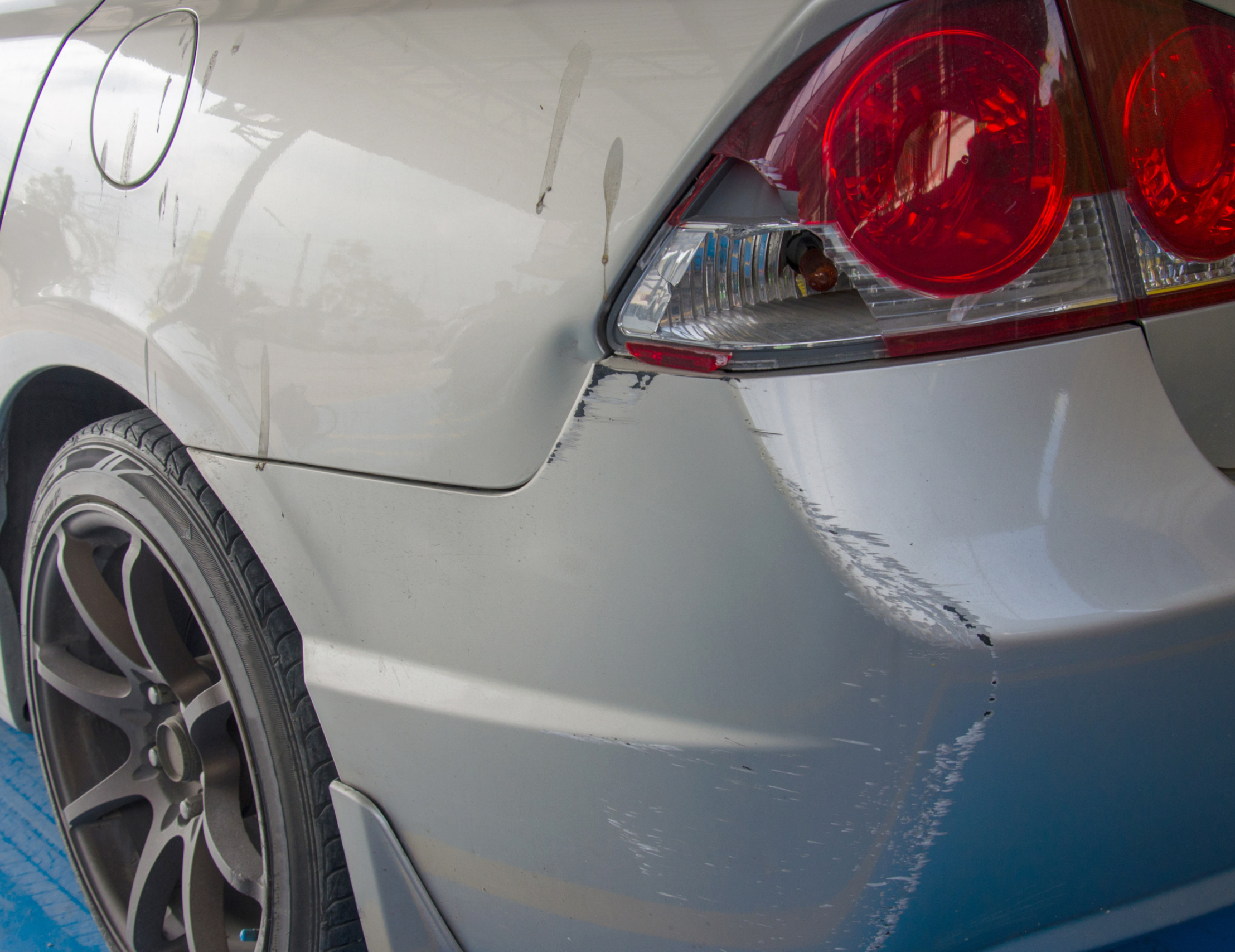
A cracked plastic bumper is one of the most common types of damage that car owners experience after a minor accident, a parking blunder or an accidental hit with a kerb. Even a small crack can make a vehicle look poorly maintained, and more extensive damage can affect bumper mounting points, parking sensors and components hidden behind the bumper cover.
So the good news is that not all cracked plastic bumpers need to be replaced. Depending on the type of plastic, location and extent of the crack, the bumper can be repaired by a professional using plastic welding or specialist repair materials.
But sometimes a replacement is the better option, especially if the bumper is badly damaged or the mounting and safety-related components are damaged.
Knowing the difference between bumper repair and replacement can save Australian drivers a lot of money and ensure that their vehicle is properly repaired. This guide covers when plastic bumper cracks can be repaired, how plastic welding works, what factors influence the cost of repair and when professional assessment is essential.
Can a Cracked Plastic Bumper Be Repaired?
Yes , a lot of cracked plastic bumpers can be repaired . If the material and damage are suitable for the repair method chosen .
Flexible plastic bumper covers are standard on modern vehicles and will flex in certain situations while also absorbing minor impacts. Depending on the type of plastic, technicians may utilise special adhesives, plastic welding or other approved repair methods to repair the damaged area.
A small crack with intact surrounding material might be repairable without replacing the entire bumper cover. Once the damage is repaired the surface can be prepped, primed and painted to match the vehicle’s finish.
But the visible crack is not always the whole picture. A bumper may have damaged mounting tabs, distorted areas, broken sensor brackets or damage to parts behind the cover.
Thus the right decision should be based on inspection and not just on the size of the crack.
What Is Plastic Bumper Welding?
Plastic bumper welding is a repair technique used on suitable thermoplastic components. Instead of simply covering a crack with filler, a technician prepares the damaged area and uses controlled heat with compatible plastic welding material to join the affected sections.
The goal is to create a properly fused repair that is suitable for the component and its intended use.
How Does Plastic Welding Work?
Repair process usually starts with cleaning and inspecting the damaged area. The technician identifies the type of plastic and decides if welding is appropriate.
Then the damaged area is prepared to allow the repair material to bond properly. Depending on the crack and the manufacturer’s repair procedures, the technician may work on the rear of the bumper to reinforce the damaged area before finishing the visible side.
After repairs, it may be necessary to fill, sand, prime and repaint the surface to restore its appearance.
How this is done depends on the material of the bumper, where it is damaged and the repair system used. Some plastics need specialist adhesives and not standard plastic welding so not all bumpers can be repaired in the same way.
If the damage is suitable, by choosing the right repair method, you can keep the original bumper cover and avoid the need for replacement. However, quality and durability of the outcome depends on correct material identification, preparation and workmanship.
When Can a Plastic Bumper Crack Be Repaired?
The main consideration is whether the bumper can be restored to an acceptable condition without compromising its fit, function or relevant safety requirements.
Small Cracks and Localised Splits
A small crack in an otherwise good bumper cover may be a candidate for plastic welding or an approved plastic repair system. This is especially true if the surrounding material isn’t damaged and the bumper hasn’t been bent out of shape.
The technician must also take into account whether the crack passes through a mounting point, sensor housing or other area that requires precise positioning.
Minor Scratches and Scuffs
Not every bumper mark should be welded. Scratches, paint scuffs, and surface abrasions can often be fixed with sanding, surface preparation, and refinishing.
If the plastic is not cracked or warped itself, a cosmetic fix may be enough.
The correct process depends on how deep the damage goes into the paint and plastic.
Small Dents and Deformation
Some plastic bumper covers can be reshaped when they have been pushed inward without significant tearing or structural damage.
A trained repairer may use controlled heat and suitable techniques to restore the original contour. Excessive heat can damage the plastic, so this is not a job to attempt casually with a household heat gun.
Cracks with Intact Mounting Points
The bumper’s mounting points help hold the cover securely against the vehicle. If these remain intact and the surrounding plastic is suitable for repair, fixing a crack may be a practical option.
Nevertheless, the bumper must be checked for correct alignment and secure attachment after the work is completed.
When Must a Plastic Bumper Be Replaced?
Although repair is possible in many situations, some damage makes replacement the more appropriate choice.
Extensive Cracks or Shattered Plastic
A bumper that’s broken into several pieces, has large areas of missing material or is badly out of shape may not be a good candidate for a reliable repair.
In these instances, rebuilding the damaged area can be complicated and may not offer the desired fit or durability. A bumper cover replacement might provide a better answer.
Broken Mounting Tabs and Brackets
Mounting tabs and brackets attach the bumper cover to the vehicle. If these parts fail, the bumper may sit unevenly, move while you are driving, or not attach properly.
Some mounting damage may be repairable depending on the design, material and applicable repair procedures. However , it may need to be replaced when the mounting area can not be restored in a reliable way .
Damage Behind the Bumper Cover
The bumper cover is just a part of the bumper assembly . Other parts of the vehicle can include energy absorbing materials, reinforcement structures, brackets and other parts related to impact, depending on the vehicle.
A collision can cause a crack, which may indicate these components need inspection as well.
It is not enough to repair the visible plastic if the reinforcement structure or other safety-related components have been damaged. The damaged components must be inspected and repaired or replaced in accordance with vehicle manufacturer’s procedures.
Damage Around Parking Sensors and Cameras
Modern vehicles often have parking sensors, reversing cameras and advanced driver assistance systems installed in or around the bumper.
Cracks near these components can damage their housings, mounting brackets or wiring. Incorrect repairs, excessive filler or changes to the bumper’s material thickness may also affect sensor performance in some applications.
Where these systems are involved, the repairer should follow the manufacturer’s requirements and arrange any necessary system checks or calibration.
Replacement may be preferable if the sensor mounting area cannot be restored accurately.
Plastic Bumper Repair vs Replacement: Which Is Better?
The right choice depends on the extent of the damage, the type of bumper and the cost of restoring it properly.
Damage type | Possible solution | Main consideration |
Surface scratches or scuffs | Cosmetic repair and repainting | Whether the plastic itself is damaged |
Small crack | Plastic welding or approved repair system | Plastic type and crack location |
Minor dent | Controlled reshaping and refinishing | Whether the bumper has retained its integrity |
Broken mounting tabs | Repair or replacement | Secure attachment and correct alignment |
Large split or missing material | Often replacement | Amount of material lost and repair feasibility |
Damaged sensor housing | Specialist assessment; replacement may be required | Sensor positioning and system operation |
Damaged reinforcement structure | Assessment and repair or replacement of affected components | Manufacturer requirements and impact damage |
A professional assessment should consider the complete repair, not just the visible crack. The cheapest initial option is not necessarily the best value if the bumper cannot be securely fitted or the damage returns.
How Much Does Plastic Bumper Crack Repair Cost in Australia?
The cost of repairing a plastic bumper depends on the vehicle, the severity of the damage, the repair method used, and the finish required. There are no bumper prices to suit all.
A little cosmetic crack might need a touch up whereas a long split needs to be reinforced, extensively surface prepared and repainted. Bumper with damaged mountings or sensor housings might necessitate additional labour or parts.
The final price may also depend on whether the bumper has to be removed to inspect and repair the rear surface of the bumper. Colour matching, paint blending and availability of replacement parts may affect the overall cost.
Before you sign off on the work, get an itemised quote and ask if the price includes bumper removal, plastic repair, repainting, refitting and any sensor checks that may have to be carried out.
It also makes sense to compare the total cost of repair to the cost of a suitable replacement bumper including painting and installation costs if required.
In some cases, it may be cheaper to repair the original bumper. In other cases where damage is extensive, replacement may be better value.
Can You Drive with a Cracked Plastic Bumper?
Whether a vehicle can be driven safely with a cracked bumper depends on the location and severity of the damage.
A small cosmetic crack may not immediately affect the vehicle’s operation. However, a loose bumper, sharp broken edges, exposed wiring or damaged mounting points can create additional risks.
If the bumper is hanging away from the vehicle, dragging on the road or obstructing lights, sensors or other equipment, avoid driving until the problem has been assessed and made safe.
After a collision, do not assume that a minor crack means there is no hidden damage. The reinforcement structure, mounting components and other affected systems may need inspection.
For Victorian drivers, a roadworthy inspection and a collision repair assessment serve different purposes. A roadworthy inspection does not replace a comprehensive assessment of all collision damage.
If you are uncertain about the condition of your bumper, arrange a professional inspection before continuing to use the vehicle.
Why Professional Assessment Matters
Choosing between plastic bumper repair and replacement is more than just looking at the outside of the vehicle.
A qualified repairer can identify the bumper material, assess the location of the crack and determine if the damage can be repaired using an appropriate method. They can also check mounting points, inspect accessible components behind the bumper and see if parking sensors or other systems need attention.
This is especially true of newer cars with integrated electronic systems or special repair requirements of the manufacturer.
At its workshops in Pakenham, Clyde North and Cranbourne West, Star Motorworks offers mechanical servicing, diagnostics, suspension and steering repairs, roadworthy inspections and Vehicle Condition Reports.
If a bumper crack is present from an impact, a mechanical inspection may uncover other related vehicle problems. Confirm the required service with a qualified panel repair specialist for plastic welding, refinishing or collision bodywork.
Which repair route is most suitable will depend on the vehicle and damage identified.
Frequently Asked Questions
Can a cracked plastic bumper be welded?
Yes, many suitable thermoplastic bumper covers can be repaired using plastic welding. The method depends on the plastic type, crack location and condition of the surrounding material. Some components require specialist adhesives or replacement instead.
Is plastic bumper welding a permanent repair?
A correctly performed repair can be durable, but no method guarantees that a crack will never return. Longevity depends on the material, damage, preparation, workmanship and stresses placed on the repaired area.
Is repairing a bumper cheaper than replacing it?
Repair is often more economical when the damage is localised and the bumper can be restored properly. Replacement may offer better value when the plastic is extensively damaged, mounting points cannot be restored or the repair requires excessive labour.
Can a bumper be repaired if the mounting clips are broken?
Sometimes. The feasibility depends on the mounting design, the material and the extent of the damage. If the bumper cannot be securely attached after repair, replacement may be necessary.
Does a cracked bumper affect parking sensors?
It can. Damage near sensor housings, brackets or wiring may affect their operation. The system should be checked after an impact, and any required repair or calibration should follow the vehicle manufacturer’s procedures.
Should I use a DIY kit to repair a cracked bumper?
A DIY kit may be suitable for certain minor cosmetic defects when used according to its instructions. However, cracks that penetrate the plastic, damage near mounting points or impact damage involving sensors should be assessed by a qualified repairer.
Conclusion
A cracked plastic bumper doesn’t necessarily mean you need a replacement. Plastic welding or suitable repair materials can often be used to repair small cracks, surface damage and some localised splits.
However, if the damage is extensive, sections are missing, mounting points are compromised, or if sensor or hidden impact components are a problem, replacement may be the better option.
Bottom line, inspect the entire bumper assembly before making a decision. Compare the cost of a proper repair with replacement, make sure the bumper can be securely fitted and any affected safety-related systems are checked.
Victoria drivers can help protect the appearance, functionality and long-term condition of their vehicle by choosing the right repair professional and taking care of collision damage early on.